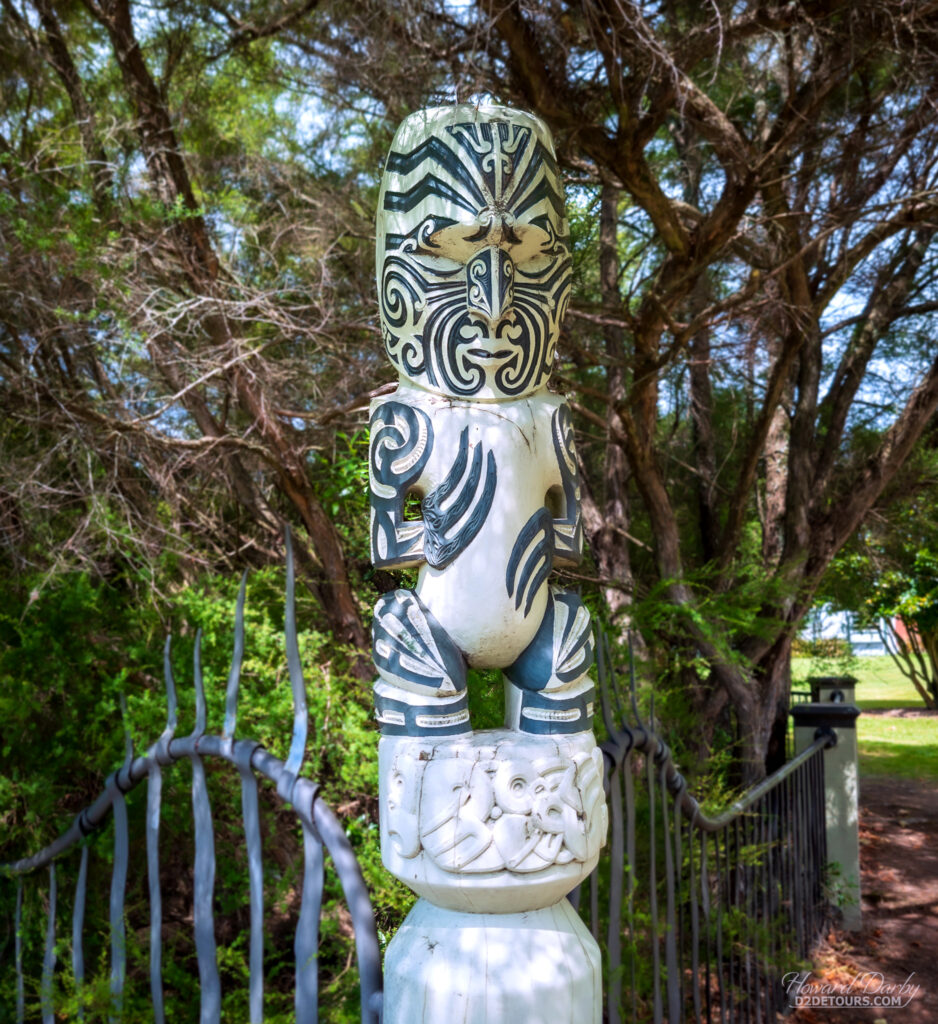
After more than four years of nomadic life and an Antarctic cruise earlier this year, Oceania was the only continent we had yet to explore. We need to be back in Canada at the end of May for a family wedding, so that left us with more than two months to fill after disembarking from our Antarctic cruise. Looking at flights from Uruguay (where we settled for a bit after the cruise), we found a manageable one to Auckland, New Zealand (flight time and price). So we were set to tick the last continent off our list before we change our pace of travel in mid-June on our Dutch Barge, which is currently in France.
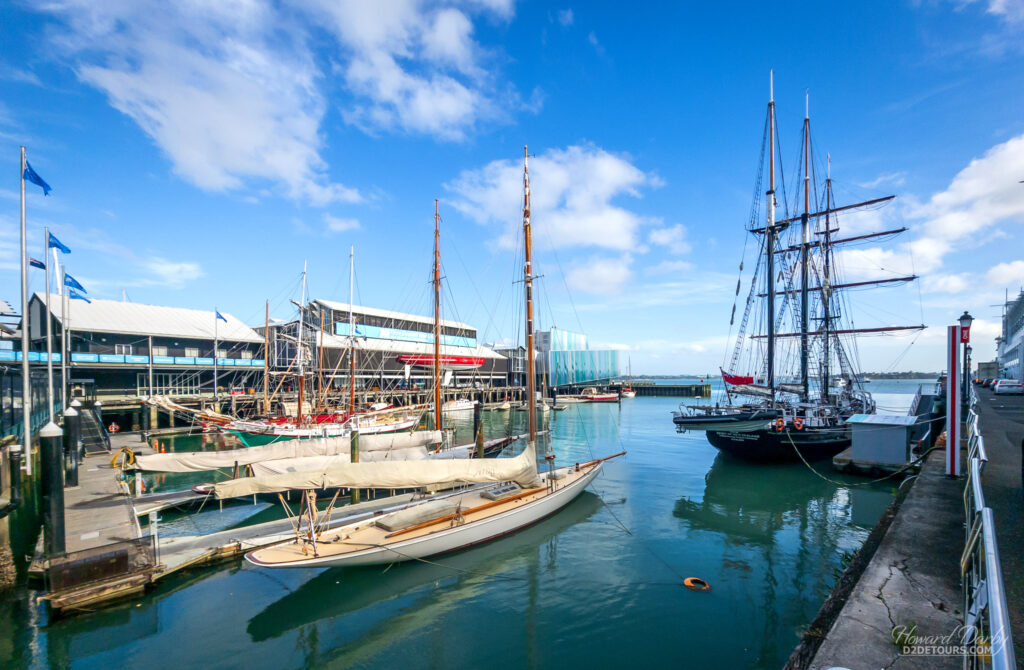
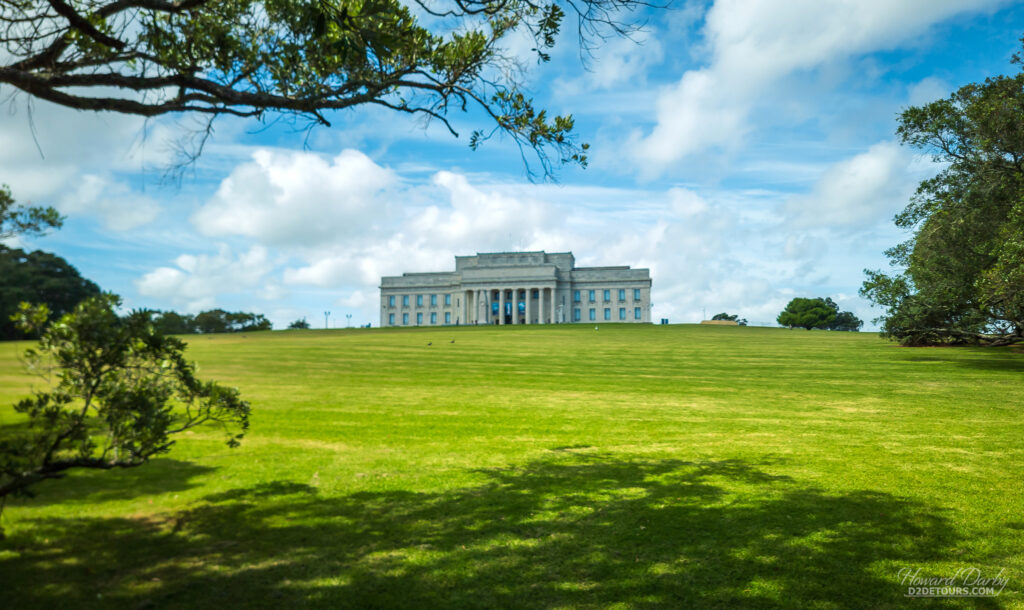
We started with three nights in Auckland, where we had a chance to recoup from the jet lag.
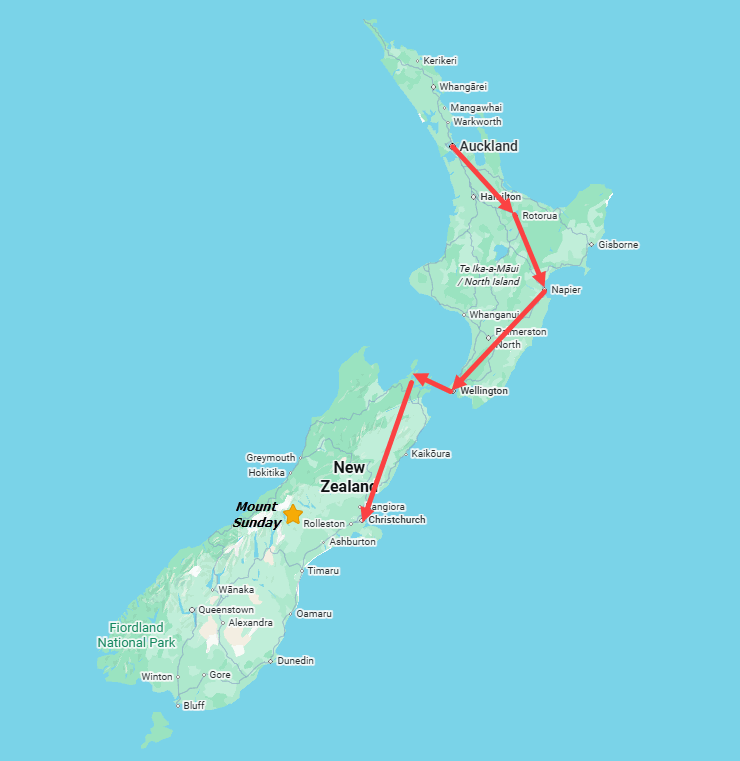
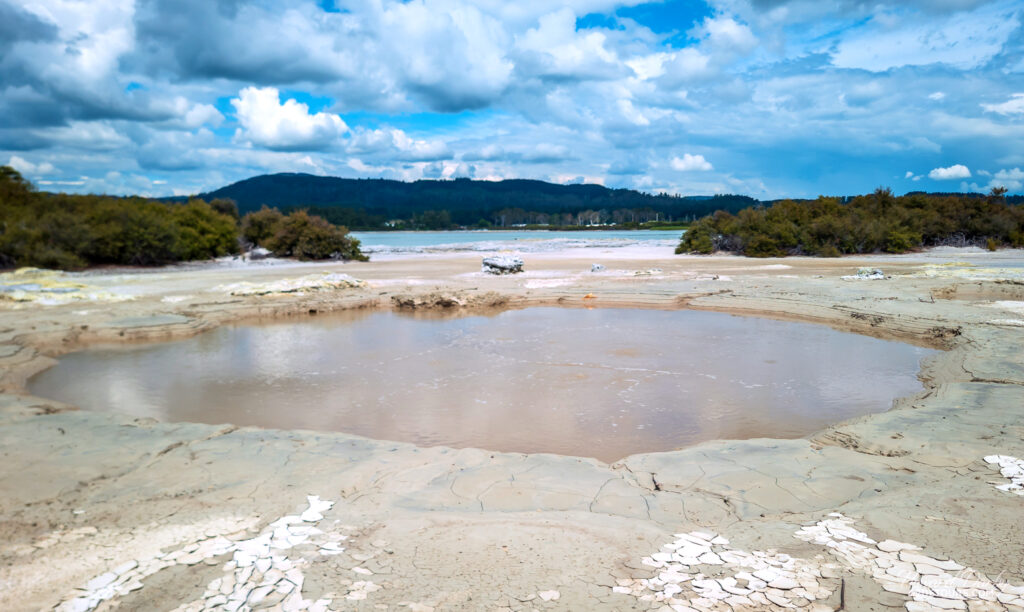
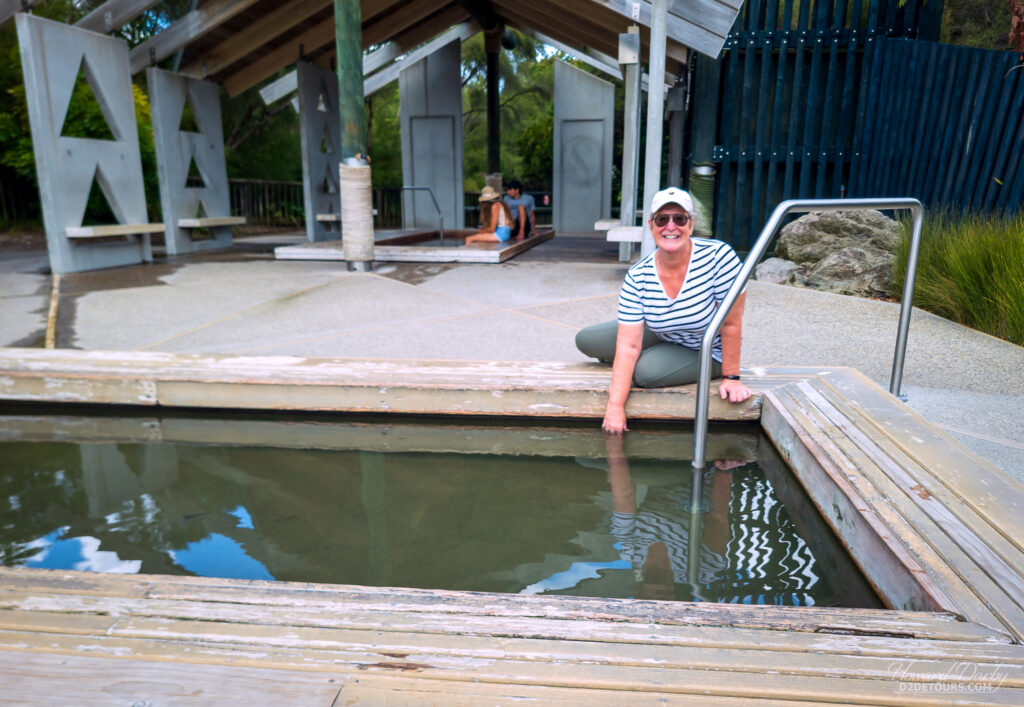
From Auckland, we began a three-leg bus trip down the northern Island of New Zealand, with Rotorua as the first stop for two nights. Rotorua’s main claim to fame is thermal activity, with many bubbling hot springs scattered throughout the town, and a few geysers thrown in for good measure. It’s quite a touristy town, with some expensive attractions built around the geysers, but we found it had enough free things to do that gave us a good feel for the community. Even with the very touristy side of it, it still felt like a nice community, where it was comfortable to wander and explore.
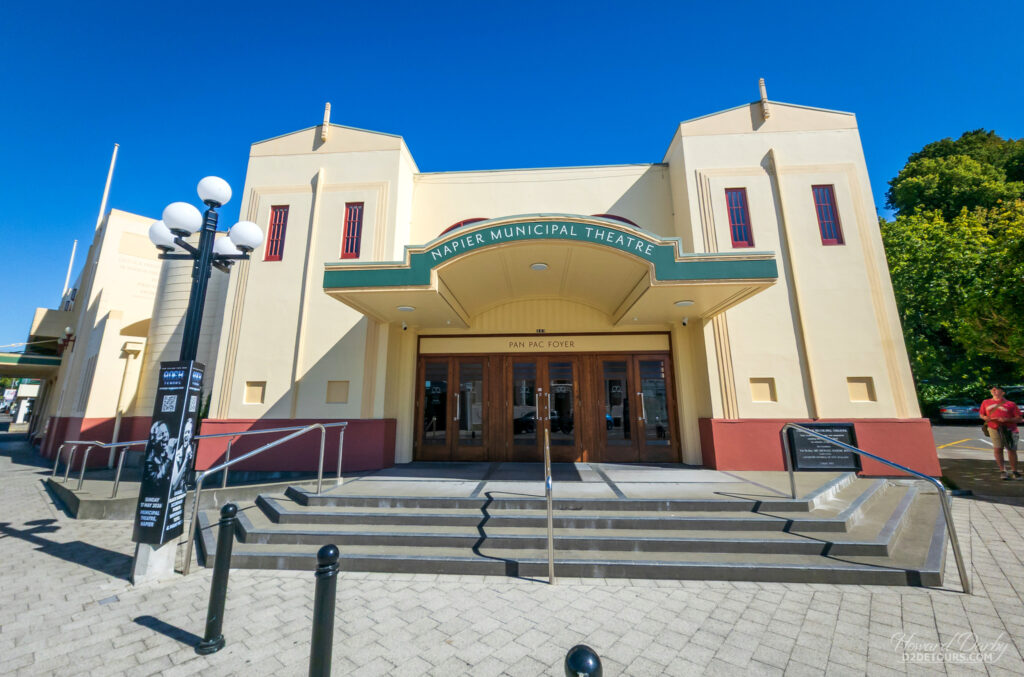
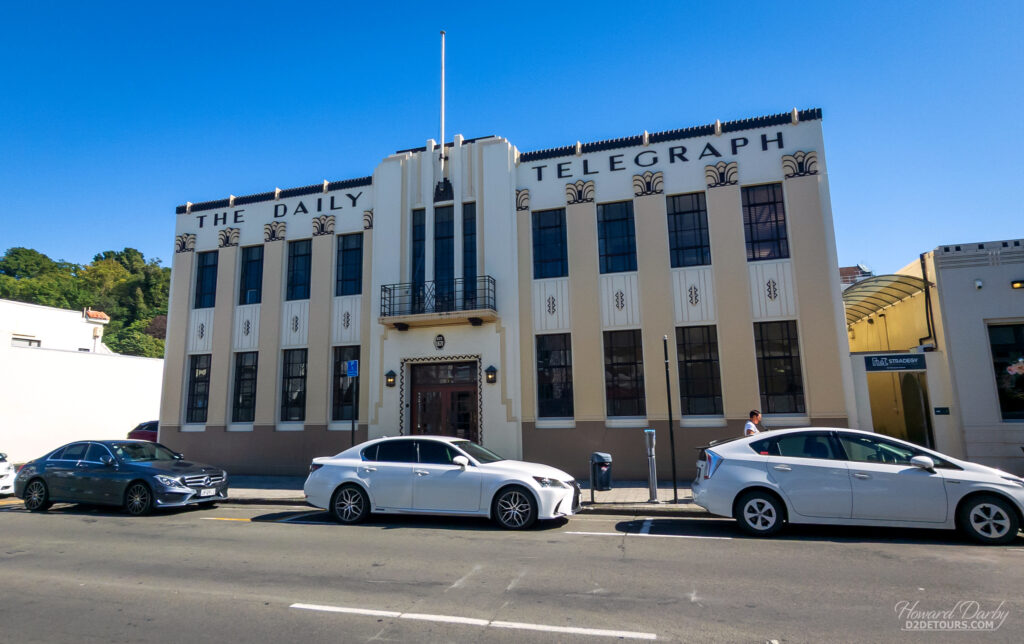
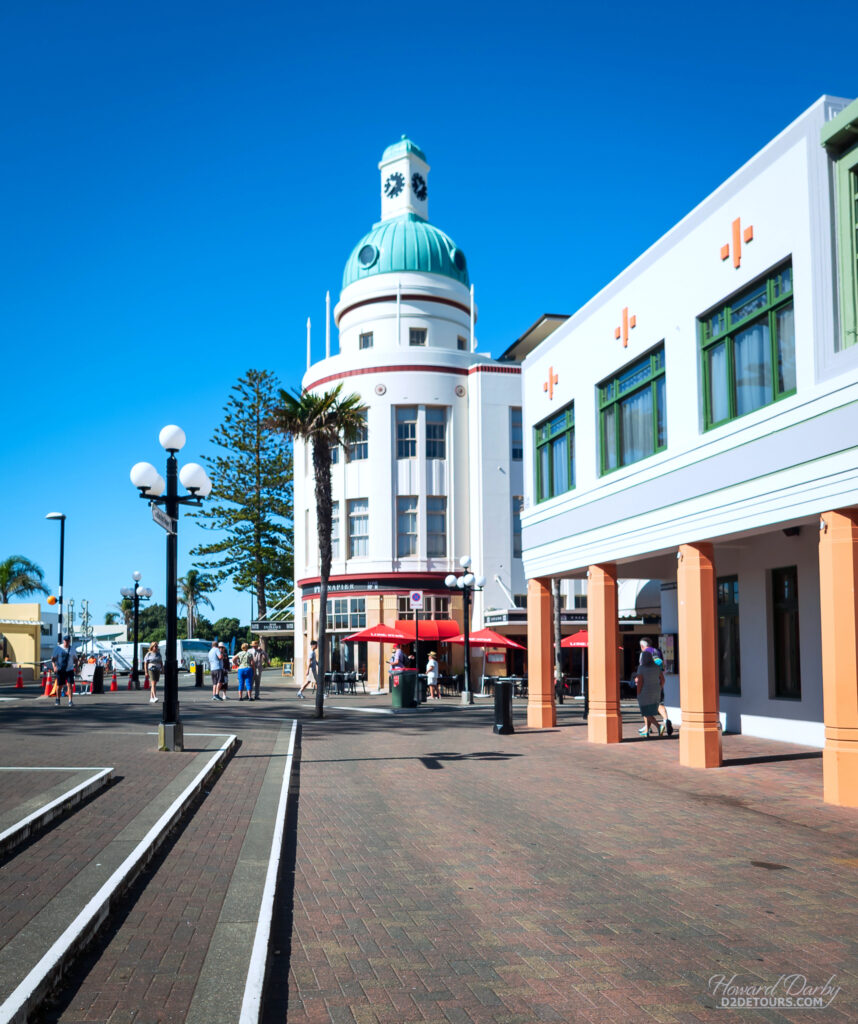
We then bused down to the quaint little city of Napier, roughly mid-way down the eastern coast of the North Island. Napier sits near a major fault line. In 1931, it suffered a devastating 7.8 earthquake that levelled most of the business district. At that time, one of the architectural trends spreading around the world was Art Deco. Since that style was relatively simple in design and made of concrete, making it more quake-proof, that’s how Napier rebuilt itself. Nearly one hundred years later, these buildings draw the tourists to Napier, as do several wineries dotting the coastline.

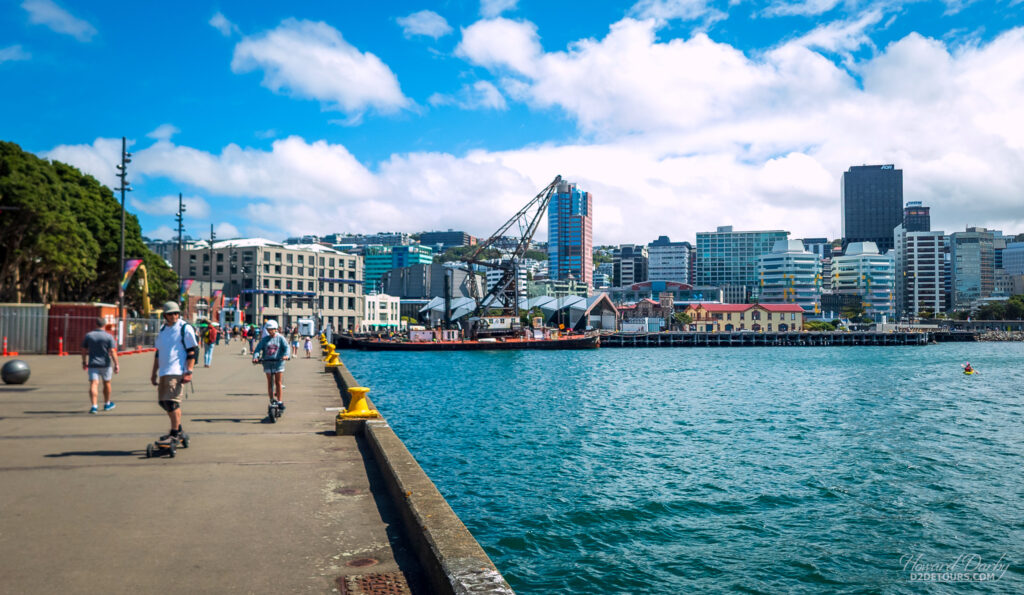
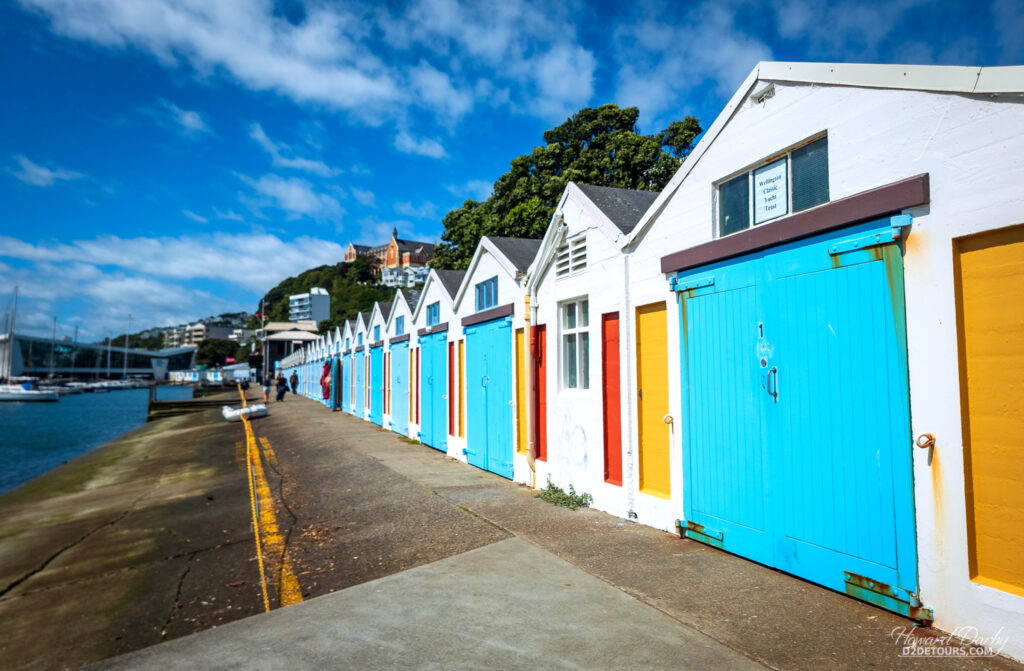
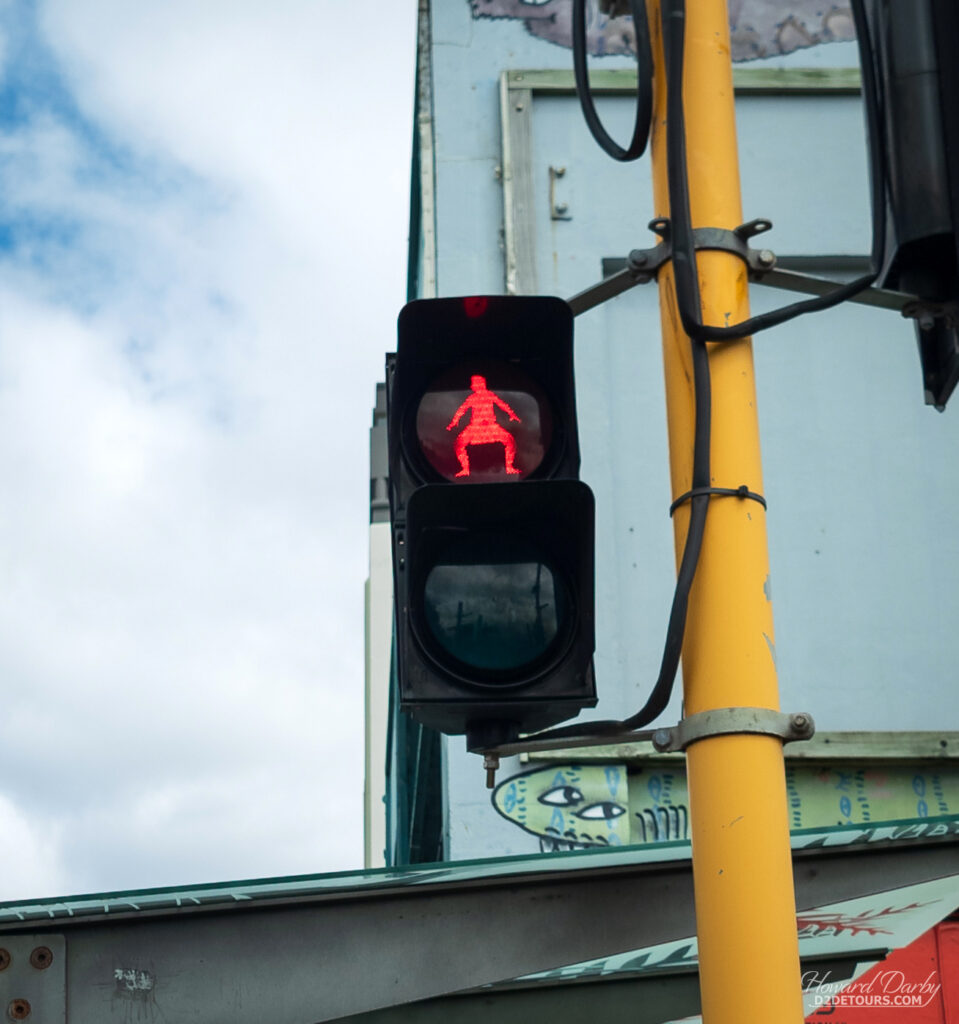
Our final stop on the North Island was the port of Wellington, where we spent a week. It’s a modern city that we really liked. It has a great waterfront promenade that was always bustling, and a terrific national museum.
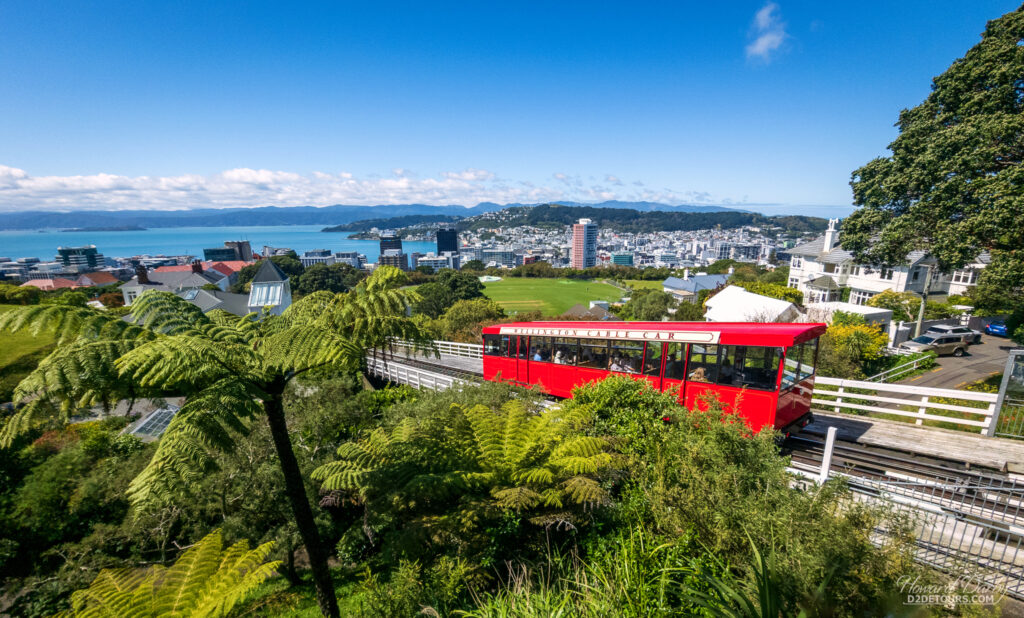
One of the main attractions is a cable car/funicular, which takes riders up a hill to an overlook of Wellington, and a nice botanical garden.
Wellington was where an accident on the Antarctic cruise caught up to Whitney. Four weeks earlier, while stepping off a platform on the ship into a zodiac to go whale watching, a wave hit the zodiac, causing her to lose her balance, and her right leg slipped between the zodiac and the metal platform. Thankfully, the gap wasn’t large enough that she fell into the ocean, but as the zodiac crashed back into the platform, her leg bore the brunt of the impact. The crew who witnessed this event were rightly panicked, thinking her leg must be broken, but it could still bear her weight, so we figured all was good. We enjoyed wandering the streets of Buenos Aires and Montevideo, Uruguay, for a couple of weeks after disembarking from the cruise, but soon after arriving in New Zealand realized something wasn’t quite right. A doctor’s visit and x-rays confirmed the fibula wasn’t broken, but the surrounding tendons and ligaments had clearly sustained damage. Apparently, it can take a while before the tendons and ligaments register they’ve been injured. The treatment for this sort of injury is several weeks in a moon boot to immobilize the ankle, allowing the tendons/ligaments to heal.
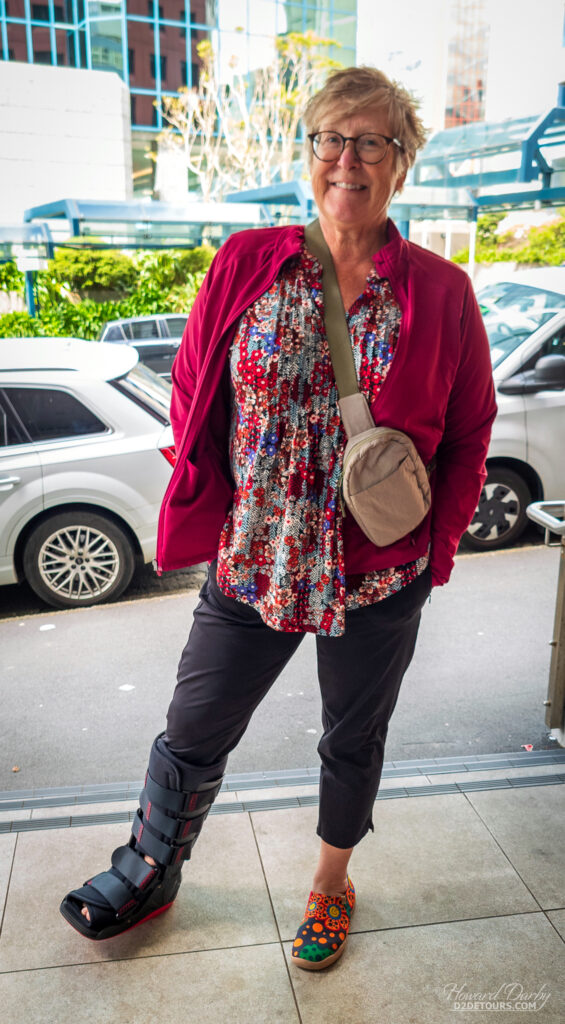
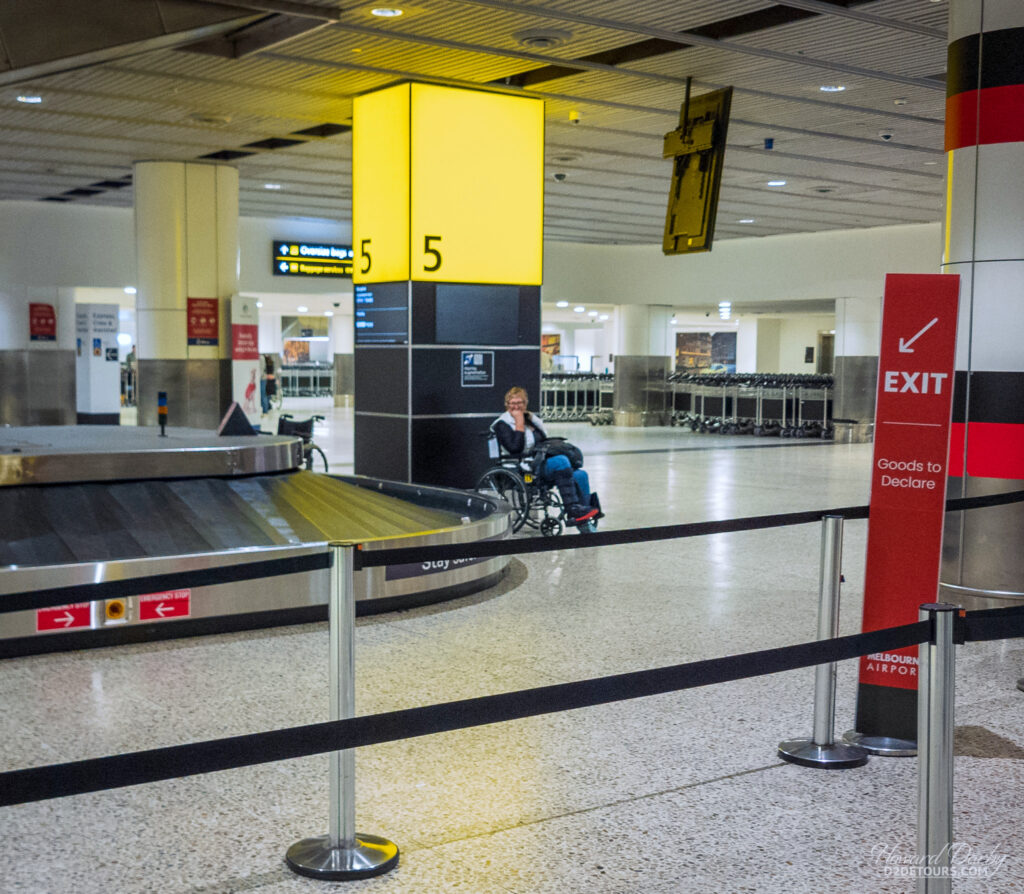
Whitney did her best to soldier on, but I was forced to enjoy a few of the more strenuous walks alone. The silver lining was that we enjoyed some preferential treatment at the airport flying from Christchurch to Tasmania.
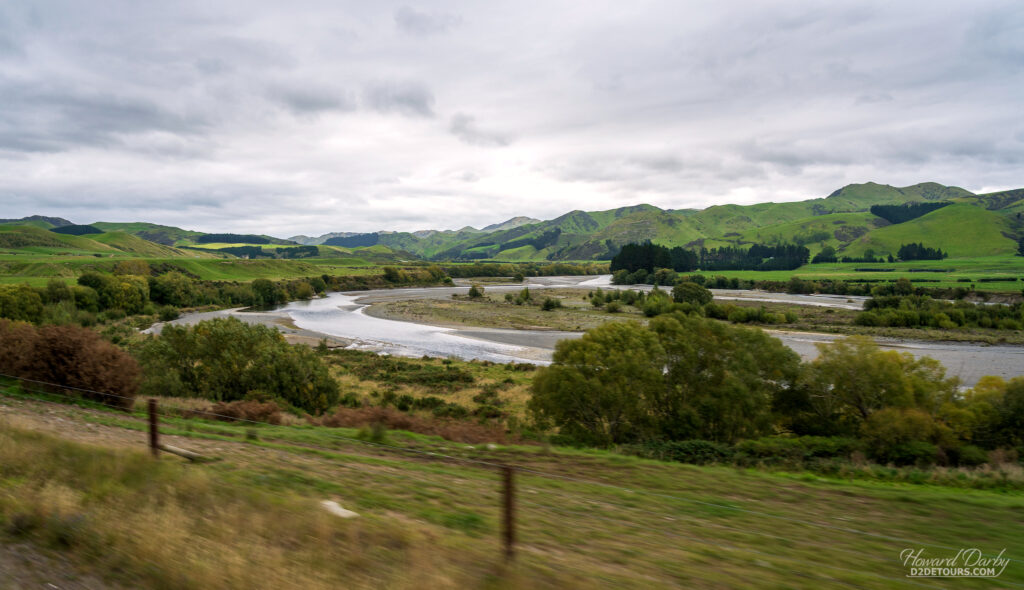
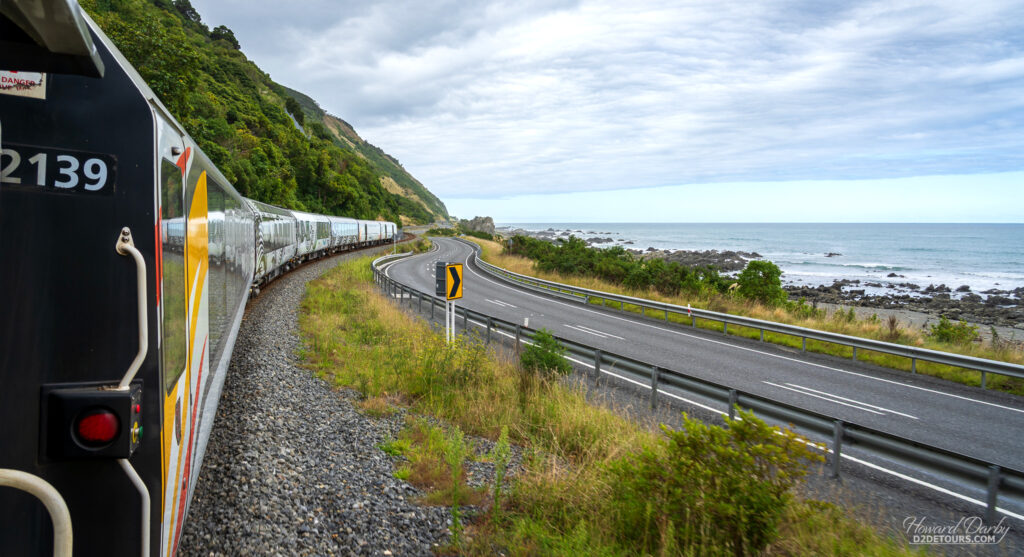
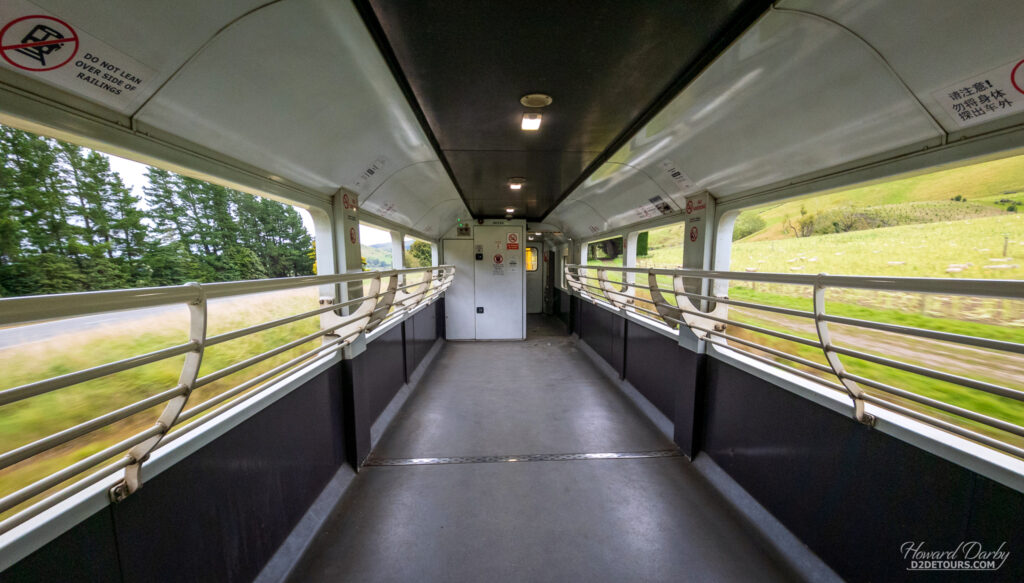
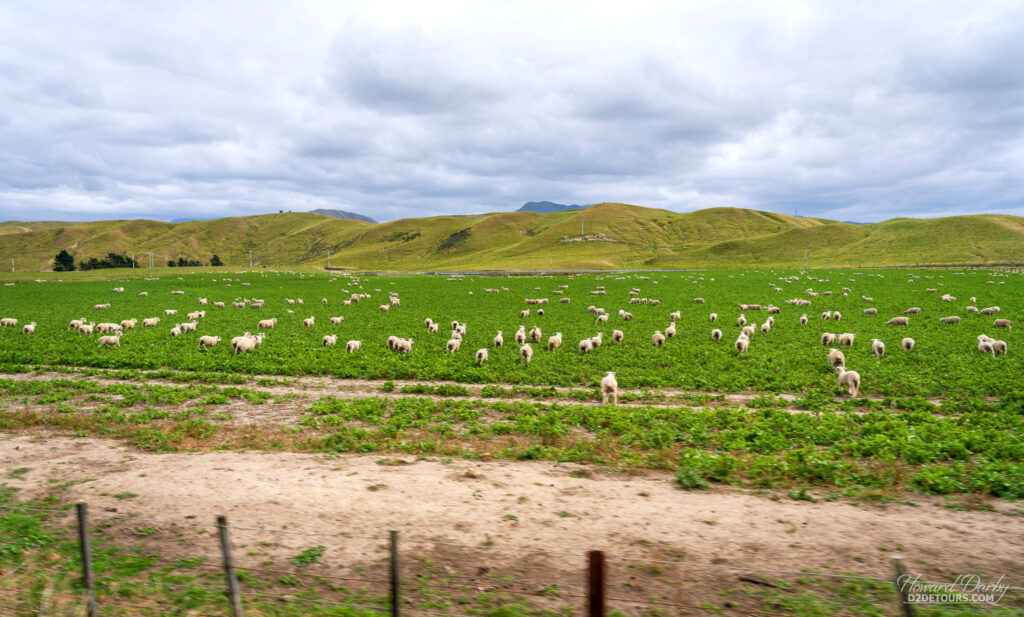
From Wellington, we took a ferry from the North Island across to Picton at the north end of the South Island. From there, we took a train to Christchurch. A 4.5-hour bus was a (cheaper) option, but the six-hour trip on the Coastal Pacific train was a much more scenic route, and worth the price tag. The viewing car, with its open sides, allowed me some great photographic opportunities along the way.
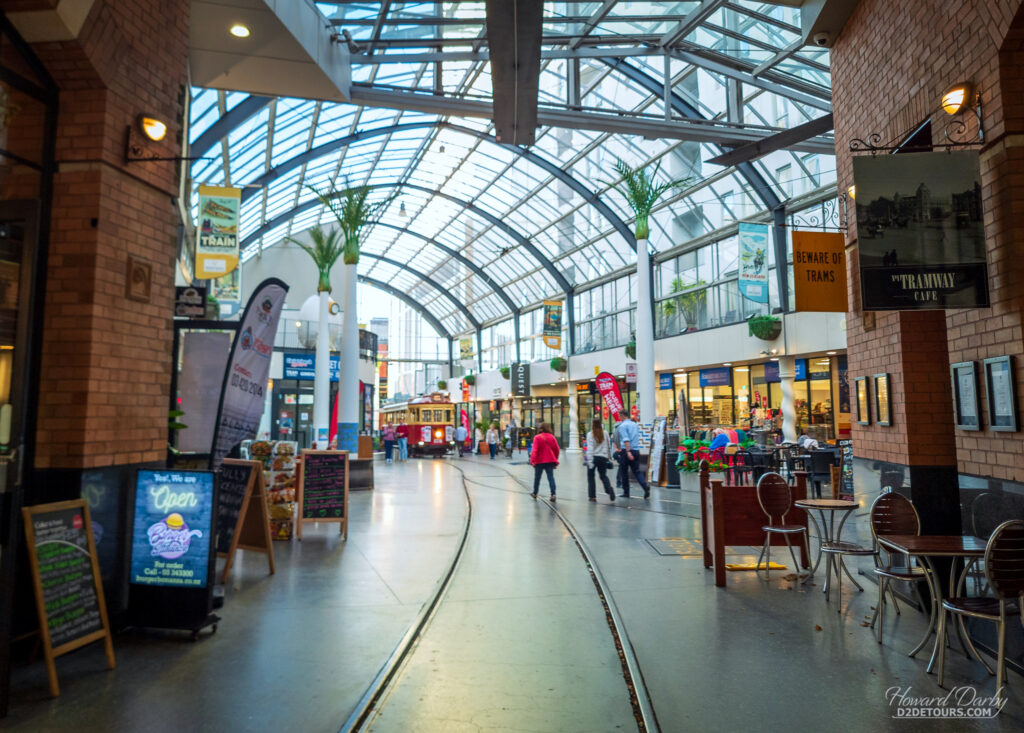
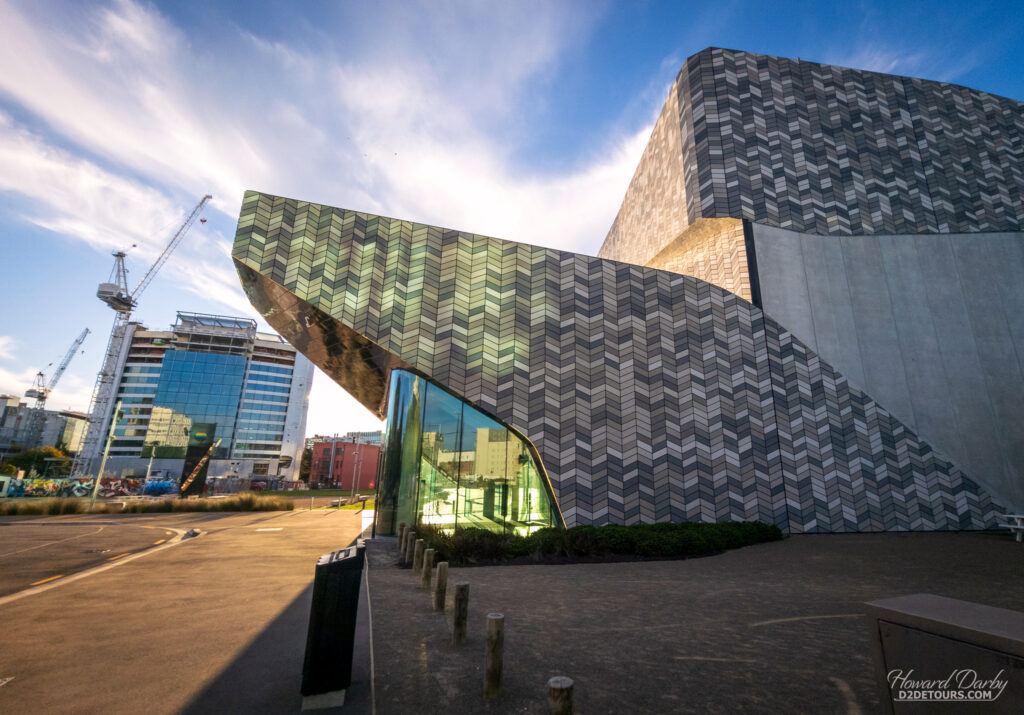
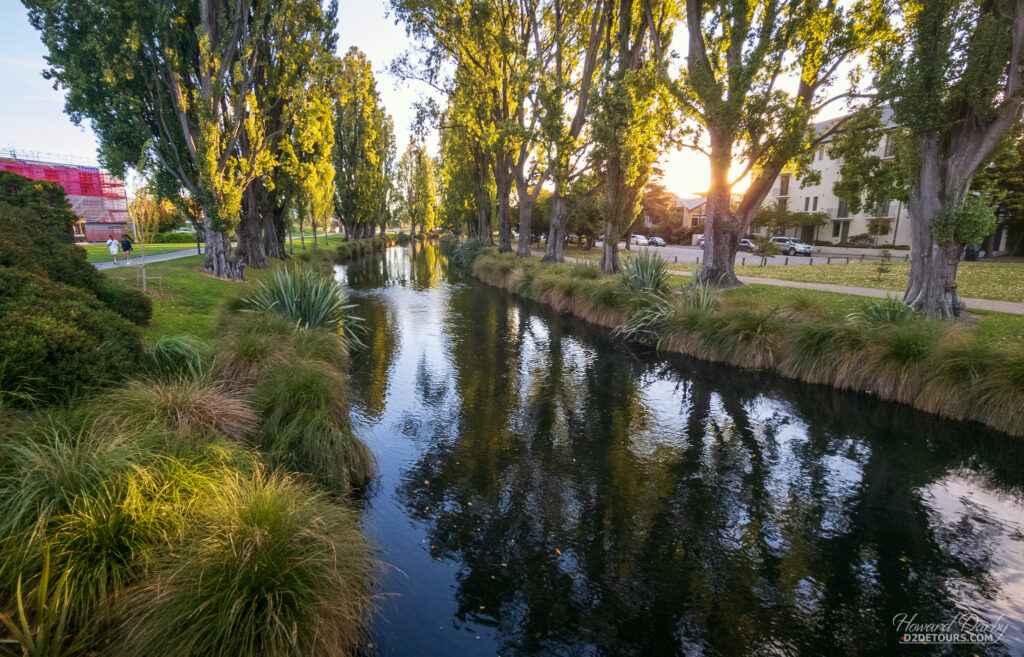
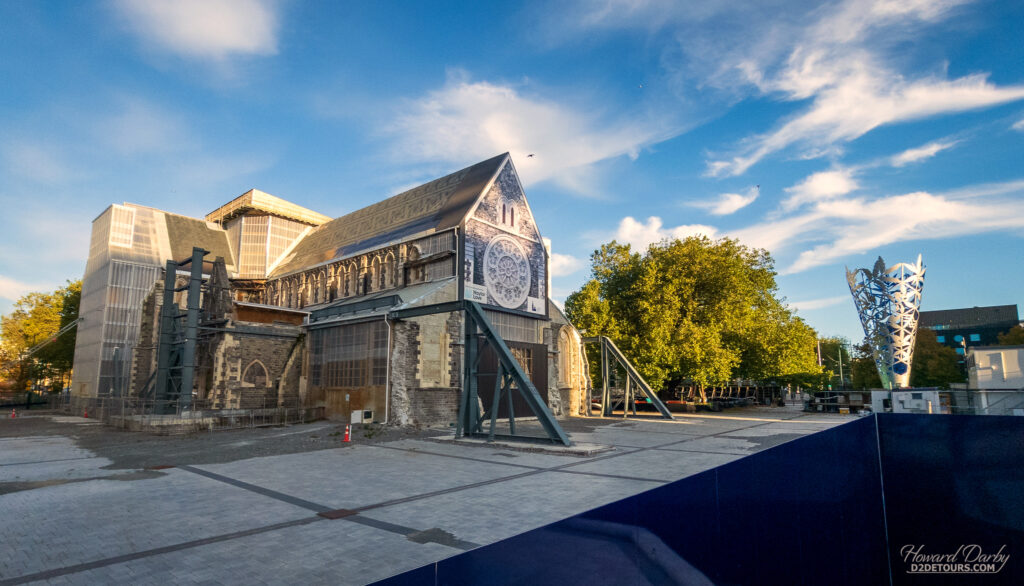
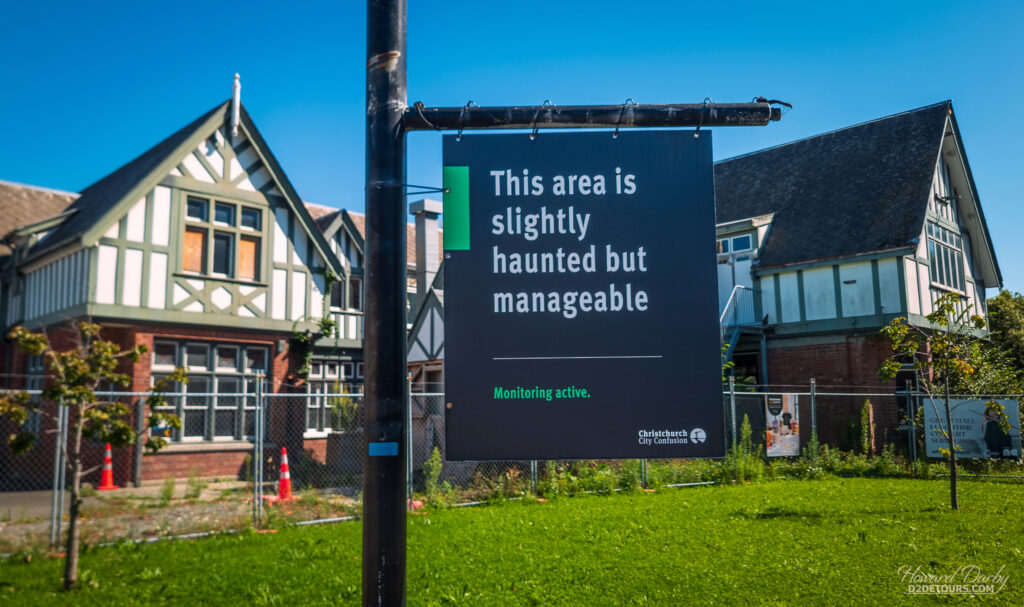
Of all the New Zealand cities, I am most familiar with Christchurch, mainly due to the catastrophic 6.3 earthquake that struck there in 2011. Though the magnitude was relatively low compared to other major quakes, it caused extensive damage because its epicentre was just 10km southeast of the city centre, and exceptionally shallow at only 5km deep. One hundred eighty-five people died, and two-thirds of the buildings in the business district eventually required demolition, which is evident from all the new buildings we saw while navigating the city. Christchurch is another city that felt very comfortable, with a relaxed nature, and one that we enjoyed visiting.
One of the main things New Zealand has been famous for in the last 25 years is as the filming location for the Lord of the Rings franchise. There are several museums where you can see film-used props, the Hobbiton filming location you can visit, and many other locations that promote their use in the filming. For me, the main destination I was interested in was Mount Sunday. It was used as the location for Edoras – specifically the scene in The Two Towers where Aragorn, Legolas, Gimli, and Gandalf arrive to meet with Éowyn. The surrounding scenery from the hilltop reflected in that scene made a big impression on me. I was determined that if there was one place I intended to visit in New Zealand, it was here!
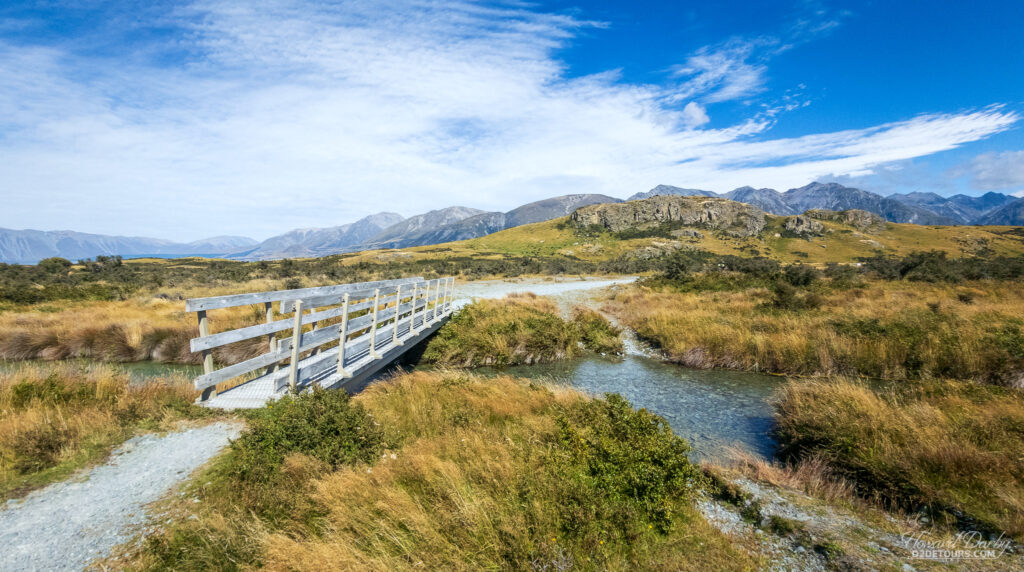
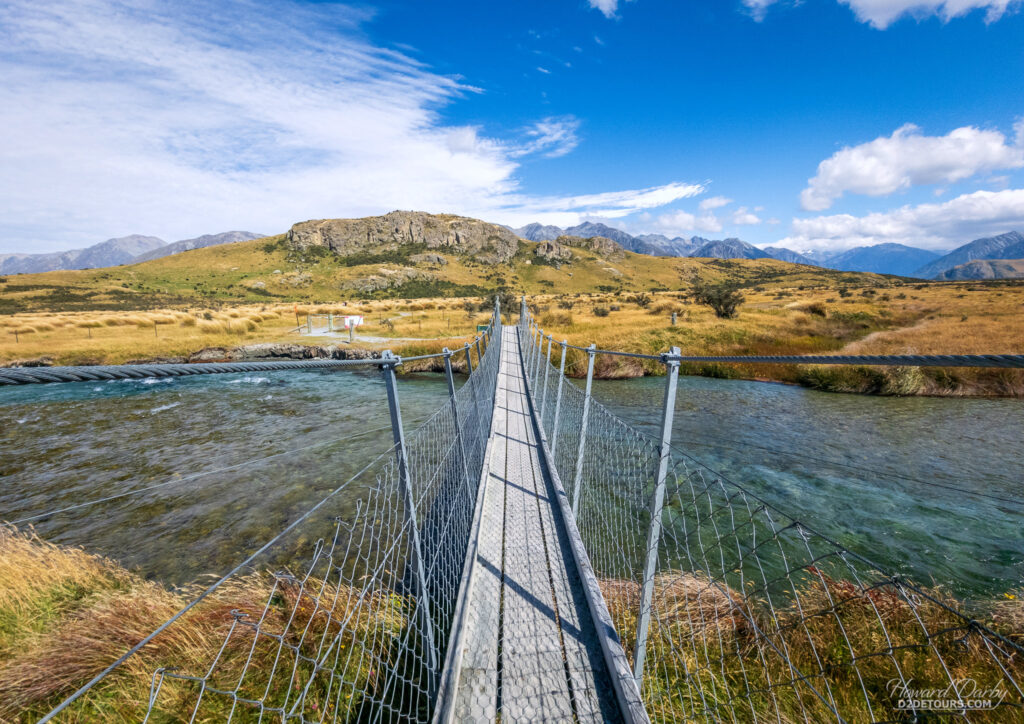
After a two-hour drive from Christchurch, I left Whitney and her moon boot to read in the car, while I made the 1-hour round-trip hike up the mountain. I managed to duplicate the scene that made such an impact on me, taking in that amazing scenery for myself. It was one of the highlights of my time in New Zealand!
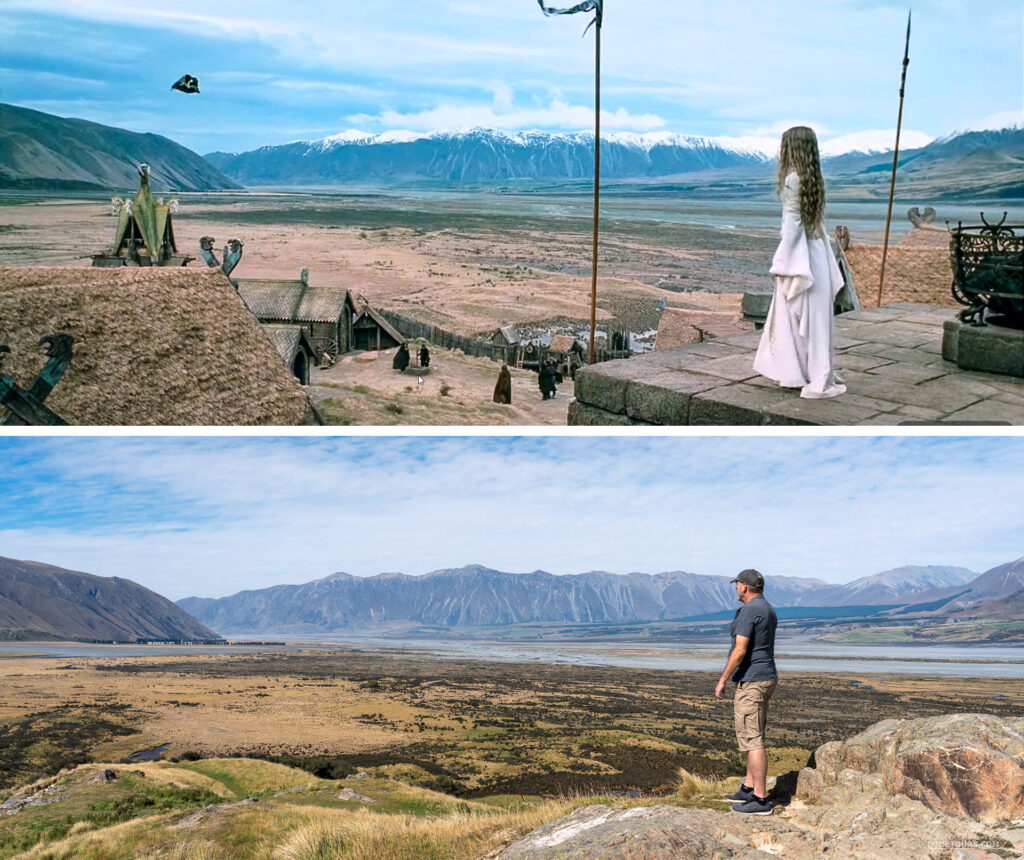
During the filming, there was a black flag on the pole to the right of Éowyn that was rigged to blow off and fly away, making the scene dramatic and foreboding, which you can see in the air on the left side of the frame above. Peter Jackson originally planned to use CGI for the flag flying away, but the wind was so strong that it naturally followed a “perfect flight path,” making the digital effects unnecessary.
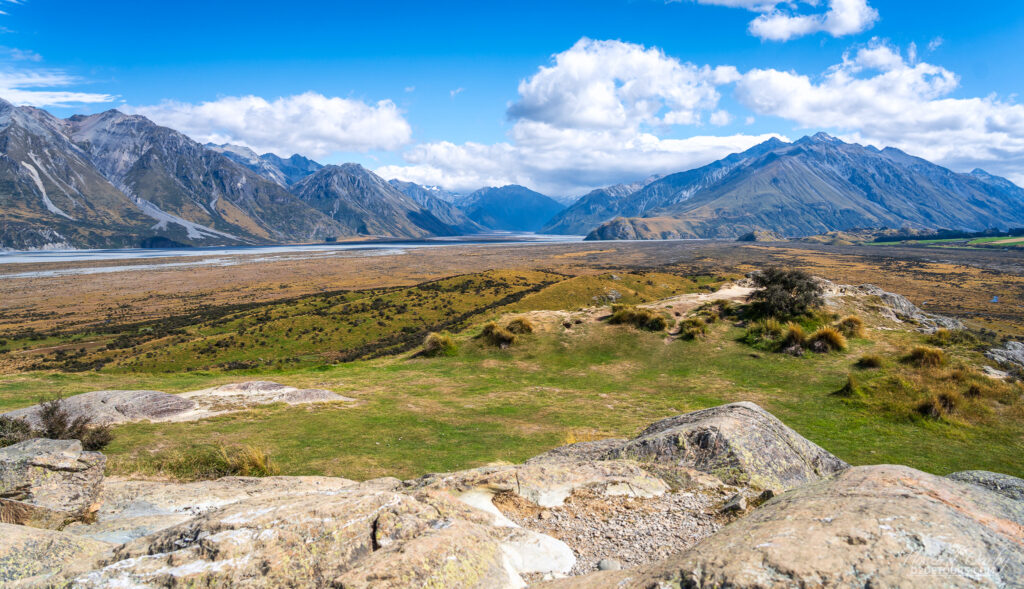
New Zealand is definitely a country we could see ourselves settling down in – IF we were looking for such a place. When comparing consumer prices, it was about the same, or maybe even slightly less than in Canada. The people are friendly, the cities are clean and easy to get around, there are no scary insects or reptiles like Australia (a major concern for Whitney), and the countryside is beautiful. We highly recommend a visit if you get near this part of the world!