
It is still unseasonably warm in France. Temperatures have dropped from the low 40s Celsius to the slightly less suffocating mid 30s (roughly 105° to 95°F), and while still not ideal, those temperatures are manageable for some canal cruising.
For our first foray, we left Auxerre to head a little over 10 km (6 miles) downstream on the Yonne to Gurgy. Laura and Boyd joined us on board to provide some final bits of practical wisdom. Once we were safely and securely moored in Gurgy, they hopped on their e-bikes back to Auxerre, where they’d left Bisou Bisou, and rejoined us the next day.
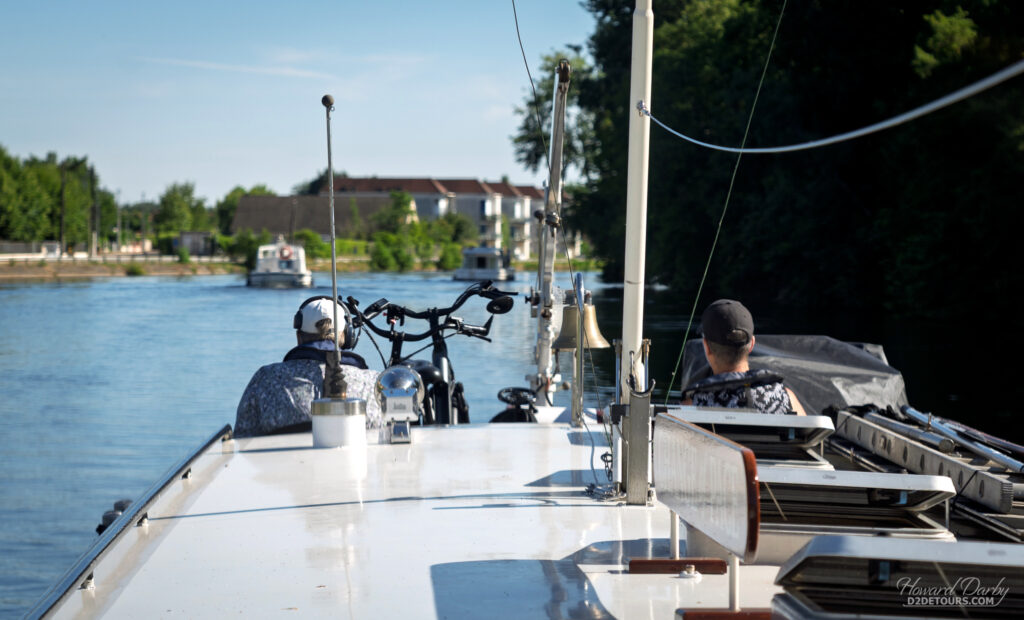
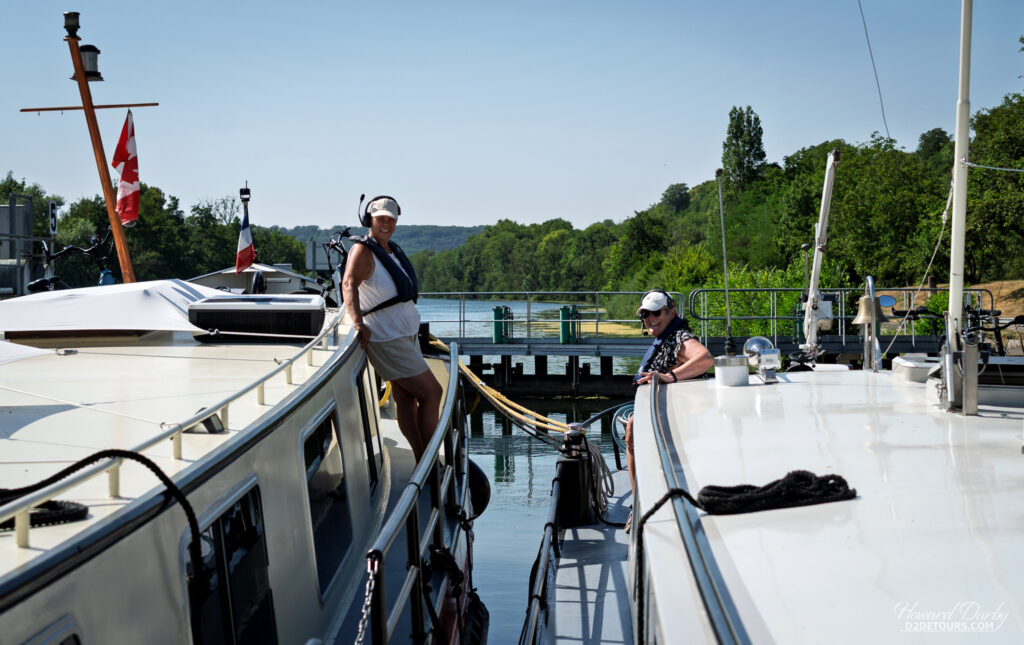
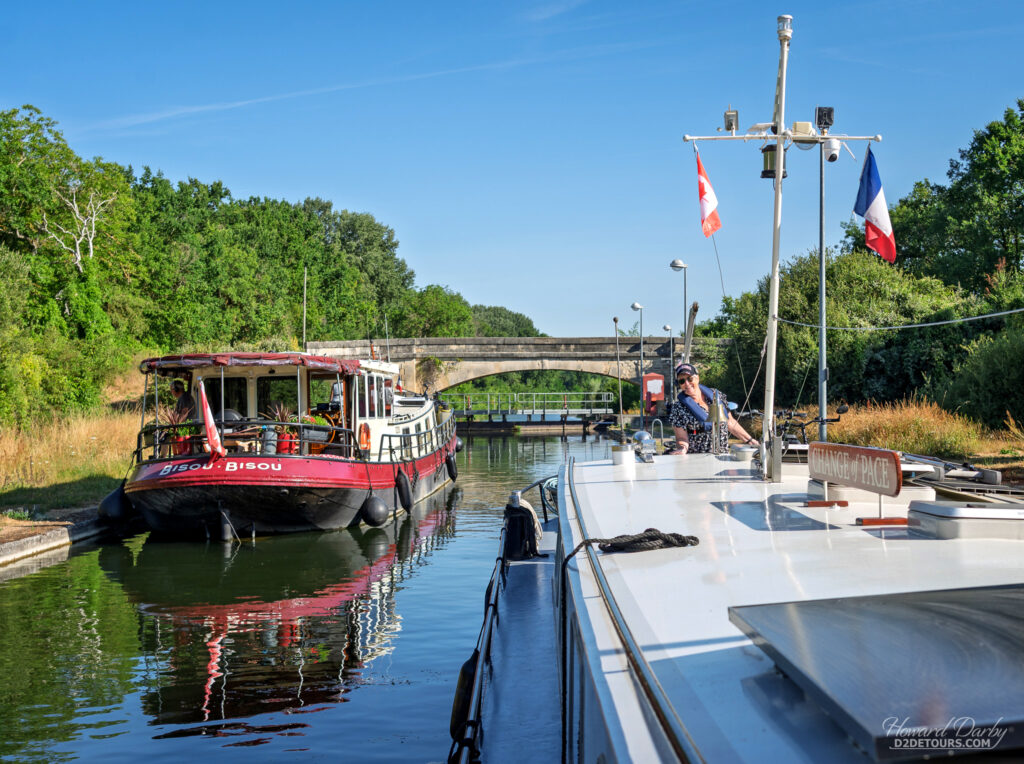
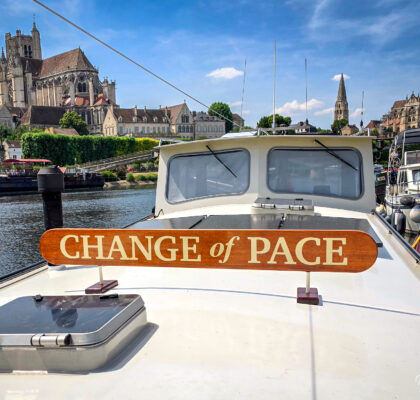
Ten kilometres doesn’t sound very far, does it? It took us a little over three hours. When we bestowed our vessel with her new name, Change of Pace, we were being quite literal. Our top speed that day was six kph (3.7 mph), and we passed through five locks, each of which took about 25 minutes to traverse (entering the lock chamber, tying up, waiting as the water level was lowered, and exiting). We would have made better time had we not been sharing the canal that day with three other boats – two of which were rentals that were not quite as efficient in the locks as we “seasoned” pros (after two days of training in the UK).
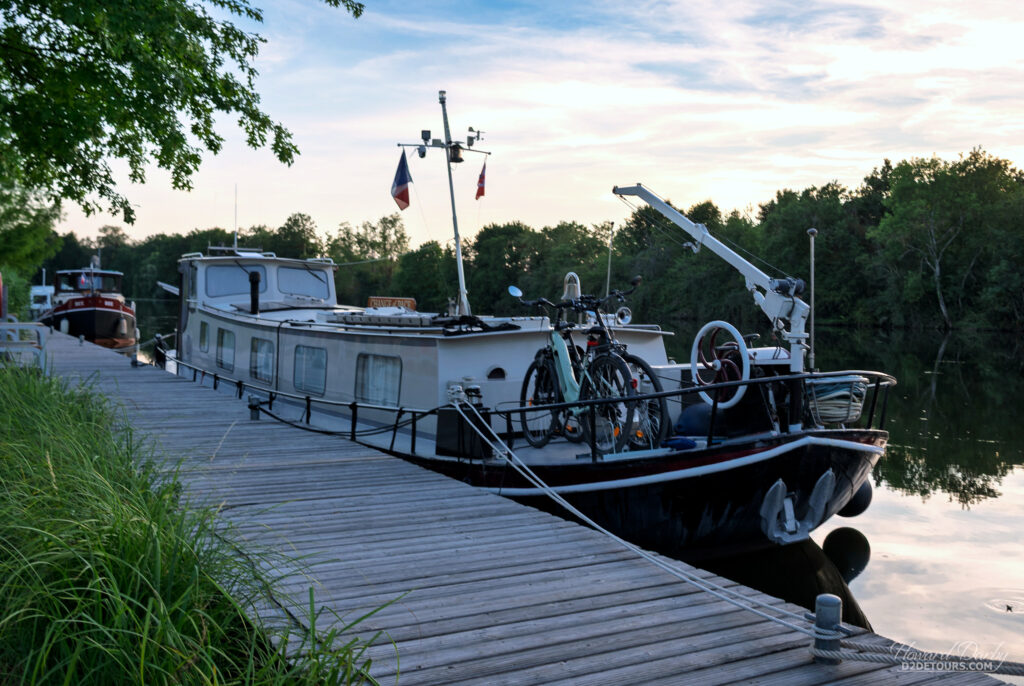
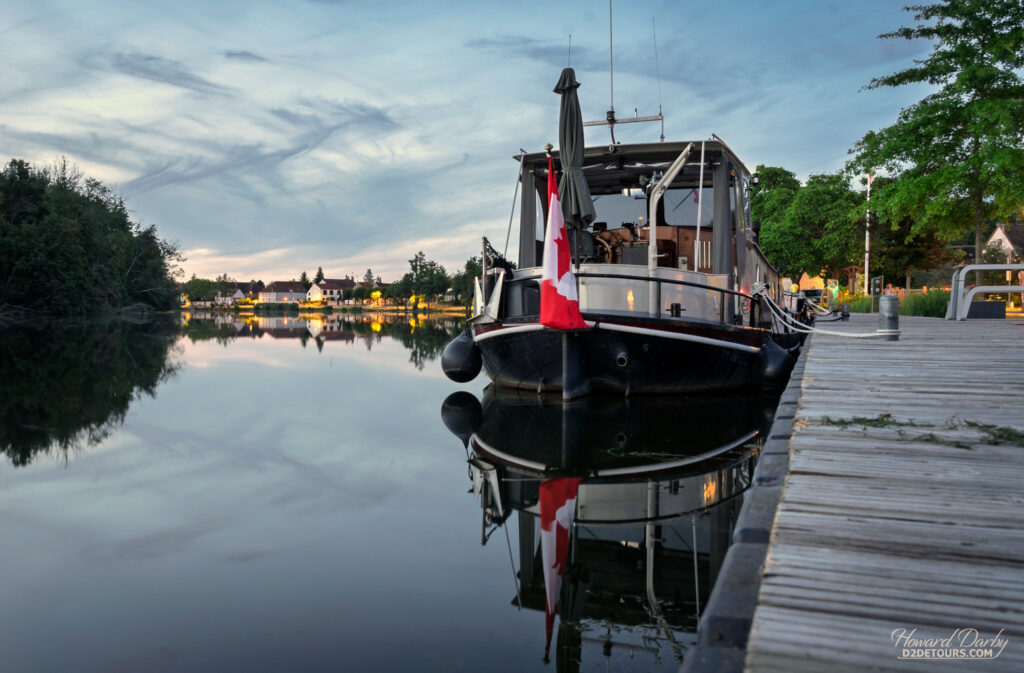
We stayed for just a couple of nights in Gurgy, where we experienced firsthand why most boat owners dislike the boat renters. The quay was full, so when a rental arrived around 7 pm and could not go any further on the canals because the next lock was closed for the day, Howard kindly offered to let him raft up next to us. After he rammed his bow into our midship (fortunately, steel will always come out the winner against fibreglass), nearly hit another boat, and then unsuccessfully tried to raft with another rental, everyone along the quay worked together to get him safely moored to some trees along the bank next to the quay.
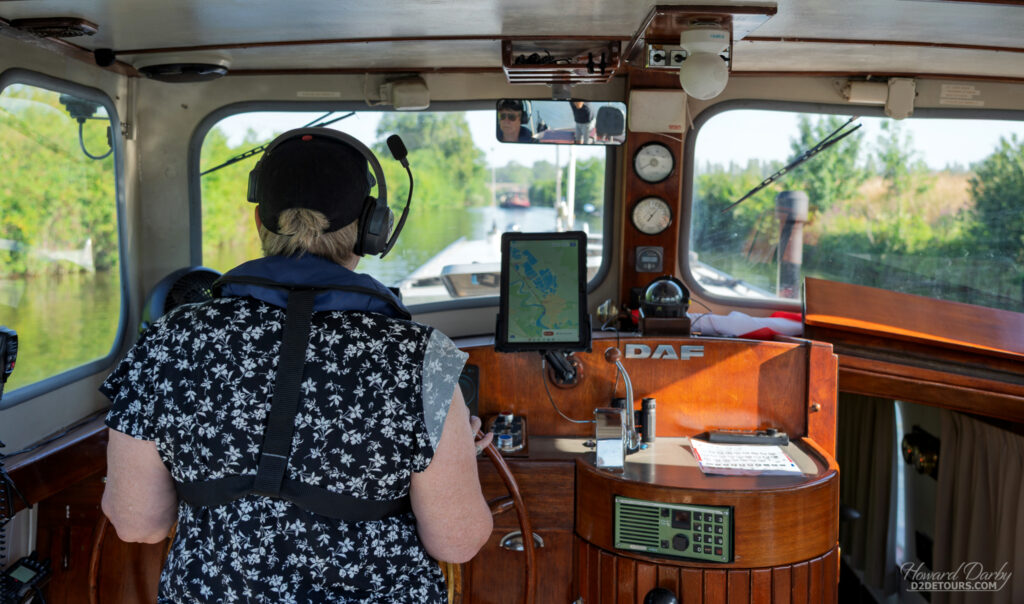
From Gurgy, we had planned another short day – 13.7 km (8.5 miles) / 4 locks – to La Roche-St.-Cydroine. Unfortunately, when we arrived at the quay in La Roche, we could not activate the power supply points, and because it was a Wednesday (obviously), the mayor’s office, where we might have been able to get some information on who and how to pay for power, was closed. We all agreed we were not going to spend a night without power (and air conditioning) in 37°C / 99°F heat, so we pushed on to Villeneuve-sur-Yonne, another 26.6 km (16.5 miles) and five more locks downstream. Our wheelhouse, from which Howard pilots the boat and I have a little jumpseat, can be enclosed for inclement weather, but is otherwise open to the elements. It offers shade, yet has little to no good air circulation options. When we’re in the locks, I have to be at the bow managing the ropes and relaying information back to Howard. There is no reprieve from the sun on the bow. Our anticipated jaunt turned into a nine-hour day, and we arrived in VSY utterly exhausted from the heat – but we had power and air conditioning!
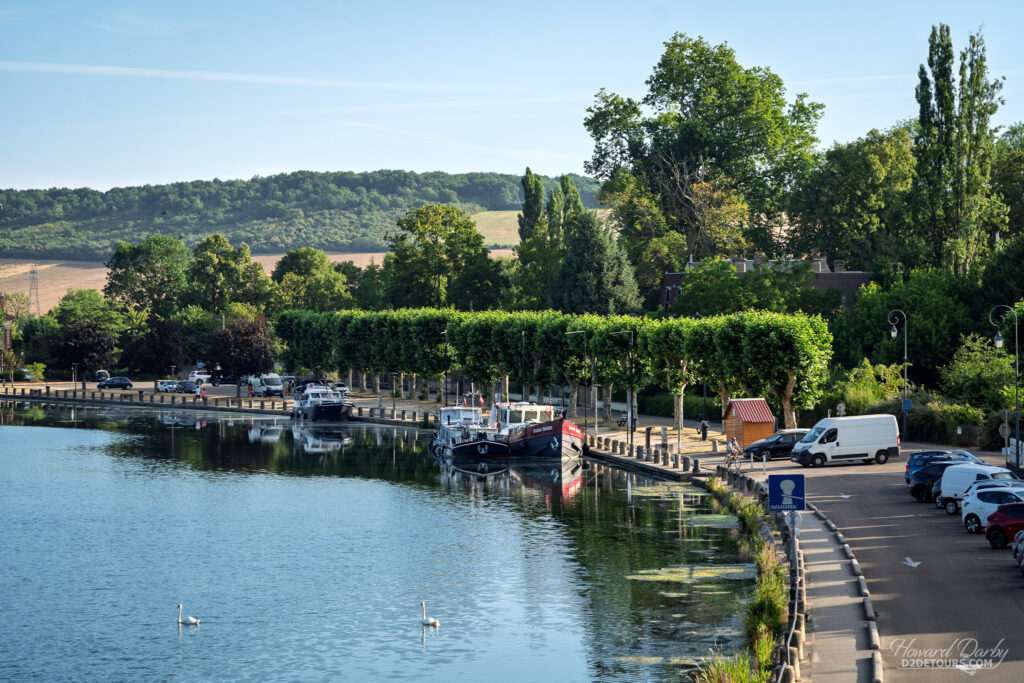
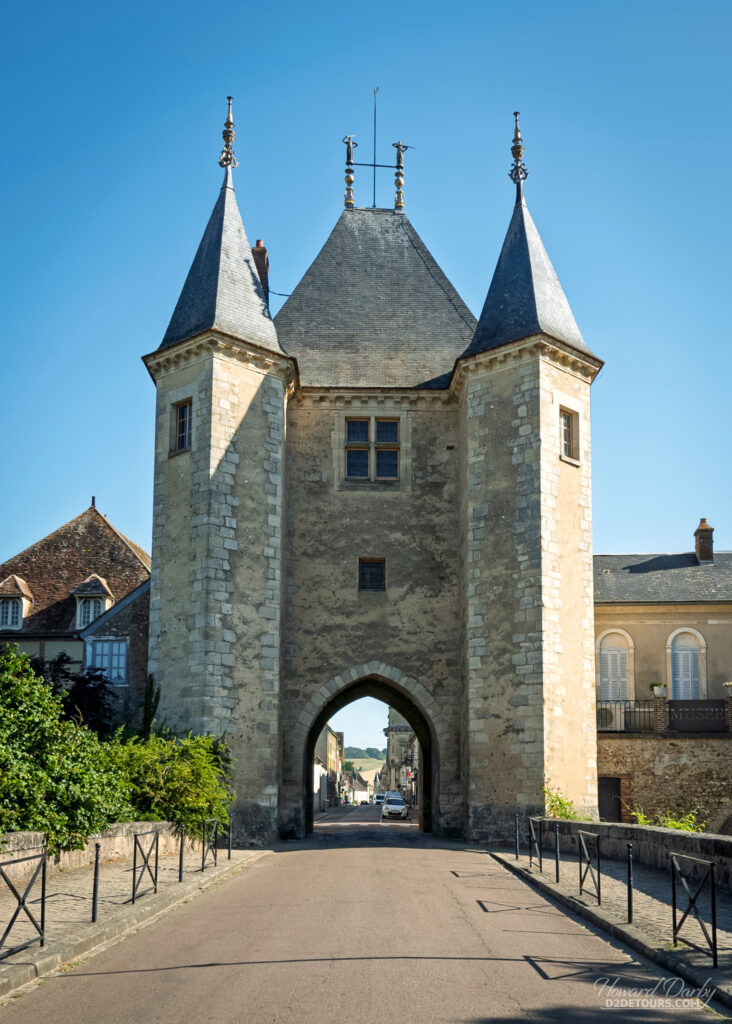
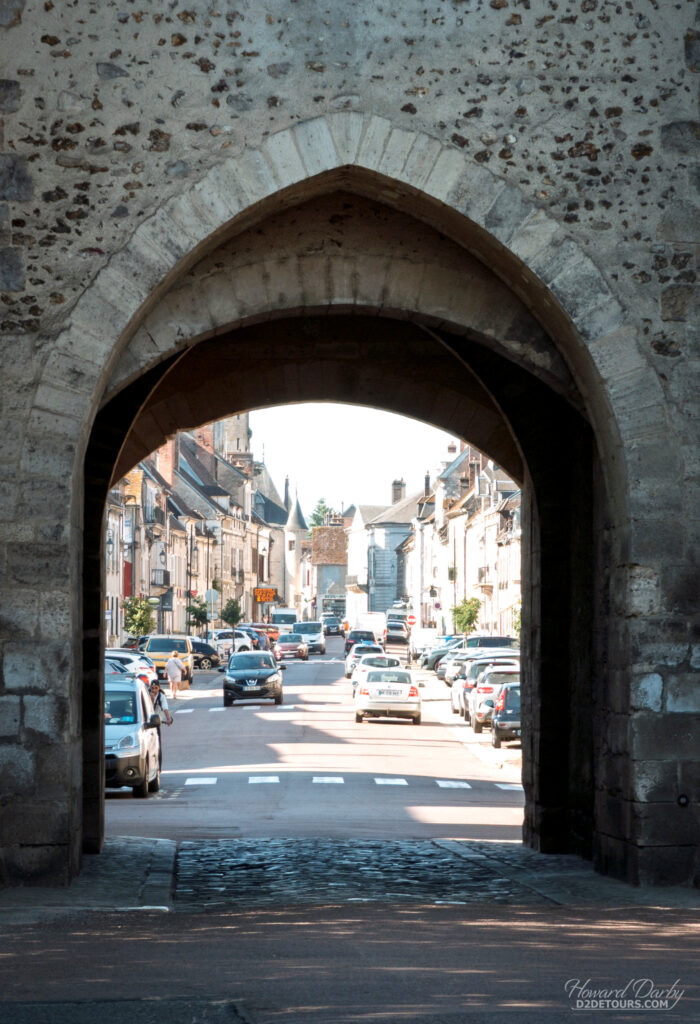
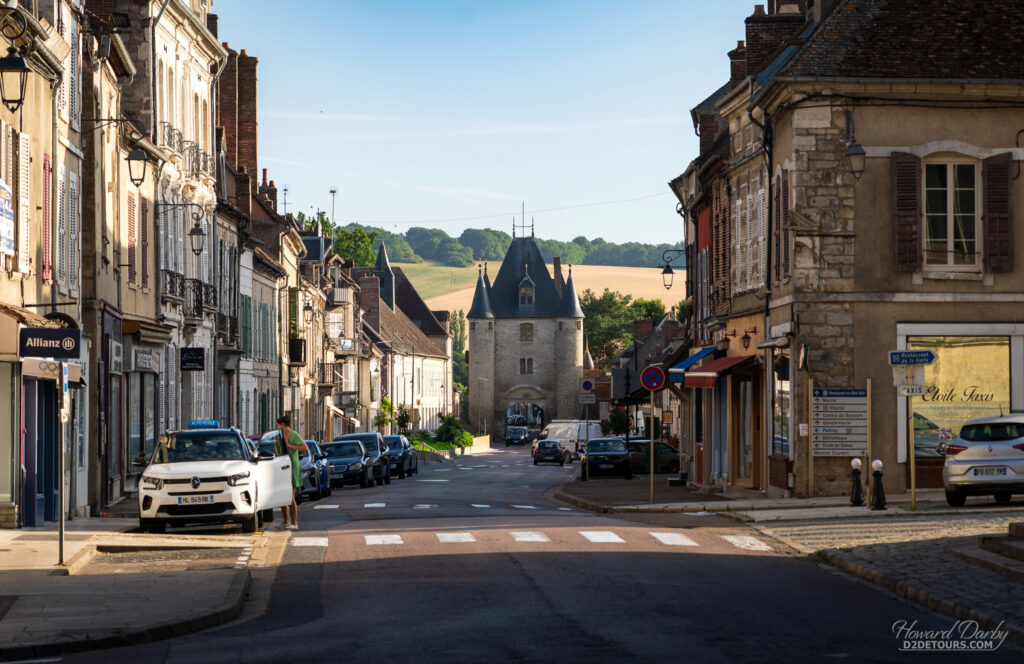
Villeneuve-le-Roi (The king’s new town), founded in 1163 CE, was a ville longue (long city), built along the single road from Joigny to Sens. During the French Revolution, it was renamed Villeneuve-sur-Yonne (new town on the Yonne). It is a pretty little commune with some beautifully preserved medieval architectural elements, in particular the city gates – the Joigny Gate and the Sens Gate.
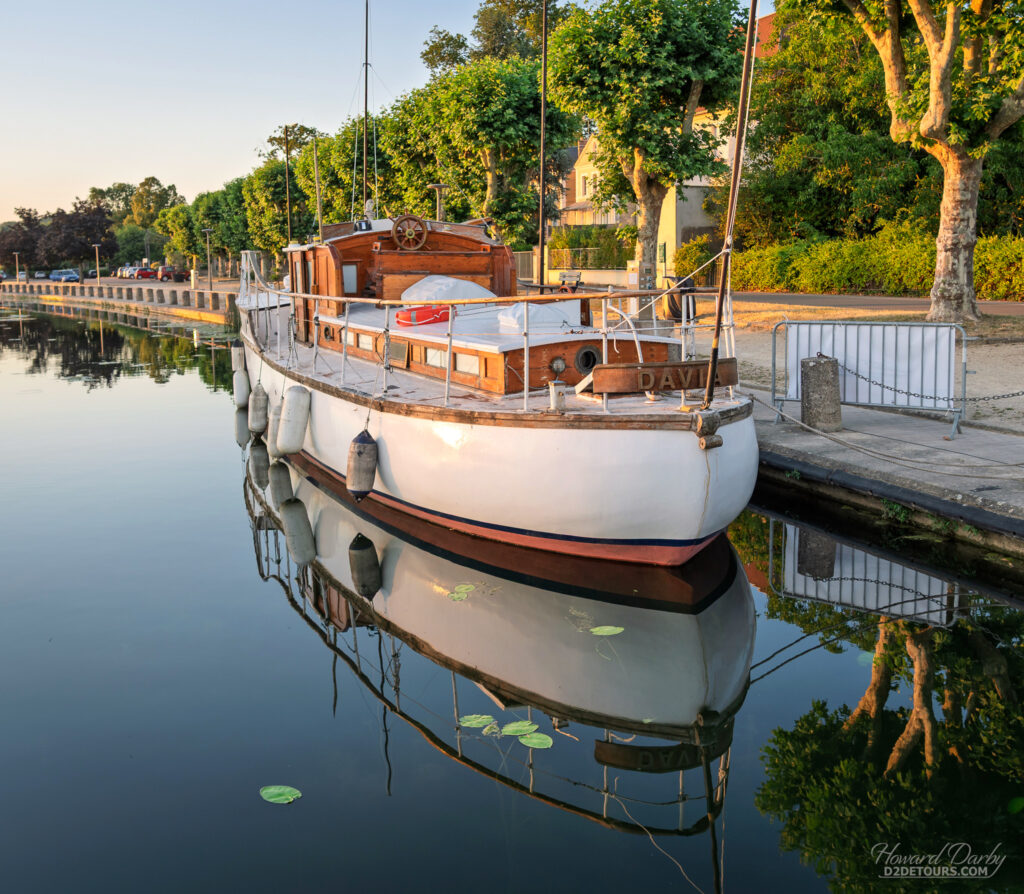
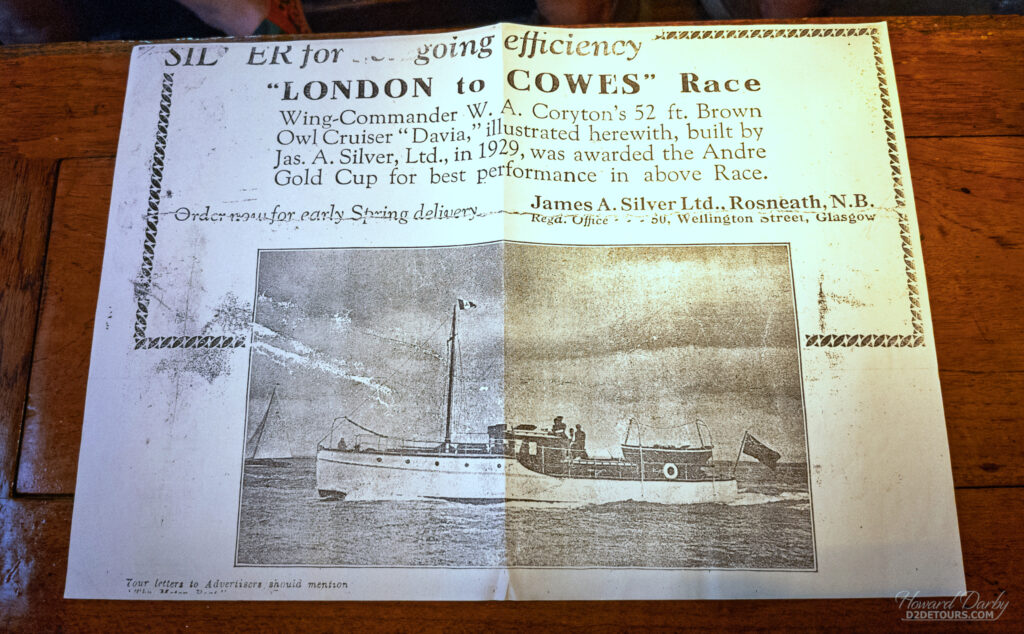
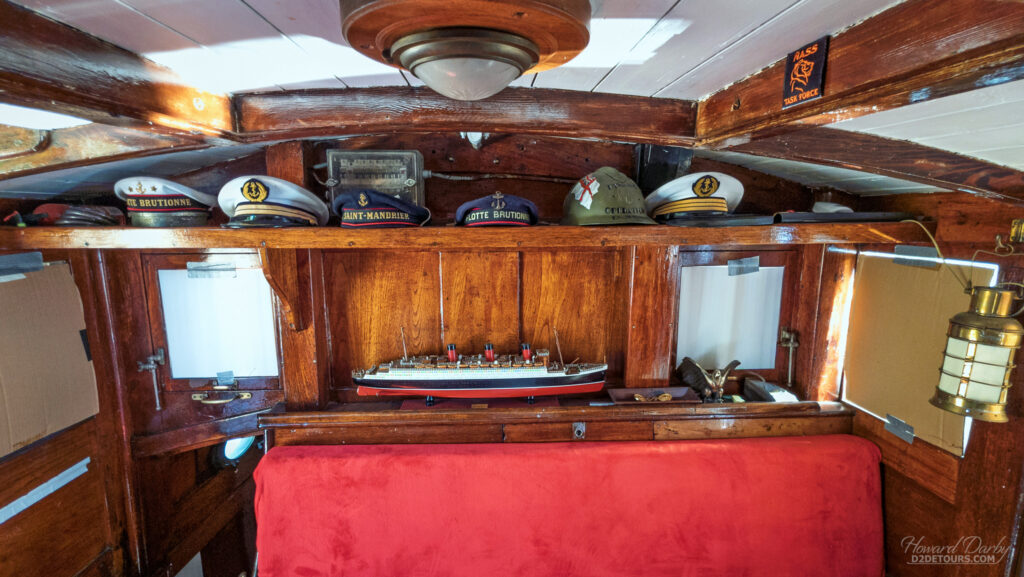
We enjoyed three peaceful nights in VSY, highlighted by a personal tour of a piece of history. The 15.85 m (52 ft) yacht Davia pulled in behind us during our last afternoon on the quay. Built in Scotland in 1929, she was one of the privately owned pleasure yachts commandeered by the British to rescue French and British soldiers stranded in France during the early stages of WWII.
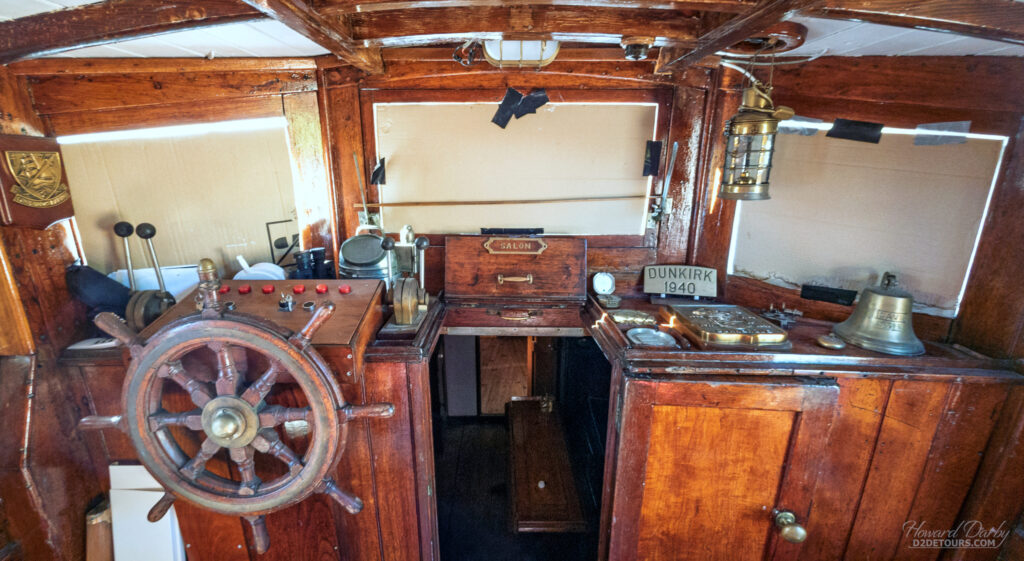
Between May 26 and June 4, 1940, Davia, which was capable of cramming 50 soldiers at a time on board, together with 700 other “little ships,” ferried more than 338k soldiers through the shallow waters off Dunkirk out to destroyers waiting offshore.
Her latter years were not quite so exciting. In 1974, she returned to France and, for a short time, ferried tourists rather than soldiers along the French waterways. In 1992, she was found abandoned in Limay, France, and after five years of restoration work, was again forsaken. In 2014, her current owner, Bruno Van Hemelryck, discovered her quietly fading away under a tarp in Villeneuve-Sur-Yonne. He has devoted thousands of hours to lovingly restoring her to her former glory. No more than 50 of these little ships have survived to today; Davia is the only one in France. You can read more about her at https://davia1929.com/en/
Next stop after VSY was Sens – 16.9 km (10.5 miles) / four locks. A significant delay at the first lock when leaving VSY turned this into a much longer day than it should have been (nearly five hours from start to finish). There is a protocol for using the locks (écluses) on the Yonne River system. The night before your trip, you are to telephone the lockkeeper (éclusier) who manages the first lock on your route. You give him/her your boat name, length, and expected arrival time at the lock, and confirm that that’s okay – so far, the answer has always been “yes.” This is all done in French, and my high school French is slowly creeping out from the recesses of my mind, although I realized, following my very first telephone conversation with the lockkeeper, that I told him our two boats were “pleasuring” each other rather than the descriptor “pleasure boats” (ie not commercial traffic) – oops.
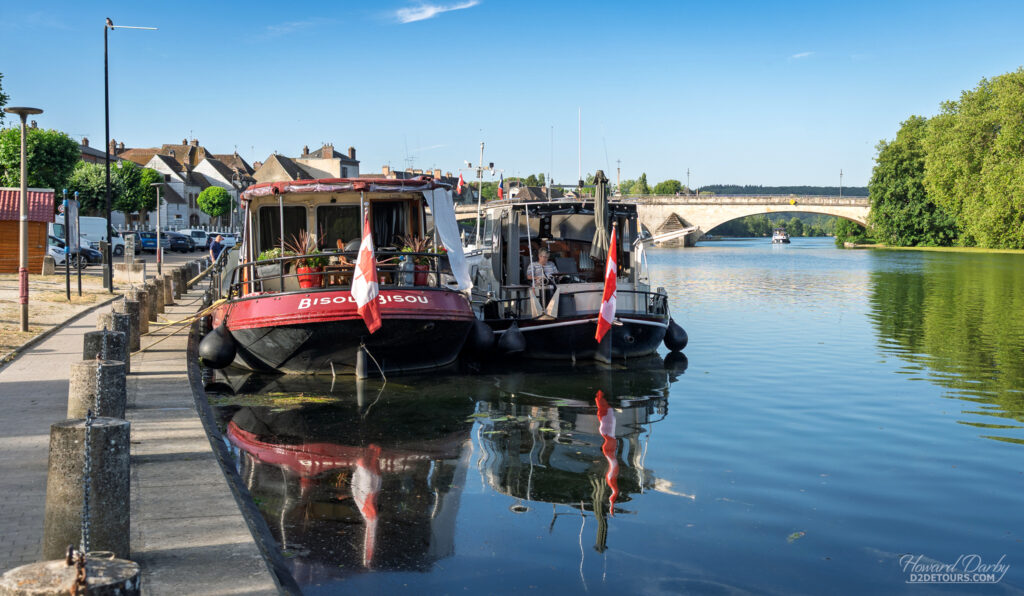
When you arrive at your first lock of the day, the lockkeeper will ask for your intended end destination, and then relays that information to the rest of the locks along your route. It’s not unusual for a lockkeeper to manage more than one lock, and they drive or bike between them. The morning we left VSY, heading downstream, the lockkeeper started his morning at the upstream lock and was significantly delayed in getting back to open the downstream lock for us. Not a big deal, but it meant we were going to arrive at the last lock of our trip during the lunch hour, and the French are strict observers of this break in their day. I managed to conduct a conversation with the exceedingly patient non-English-speaking lockkeeper at the second-to-last lock, wherein I hoped he was agreeing to call the next lock and request that it be left open for us so we could enter it, tie up and wait comfortably until the lunch hour was finished. And that is exactly what happened – sometimes I do get the French words right!
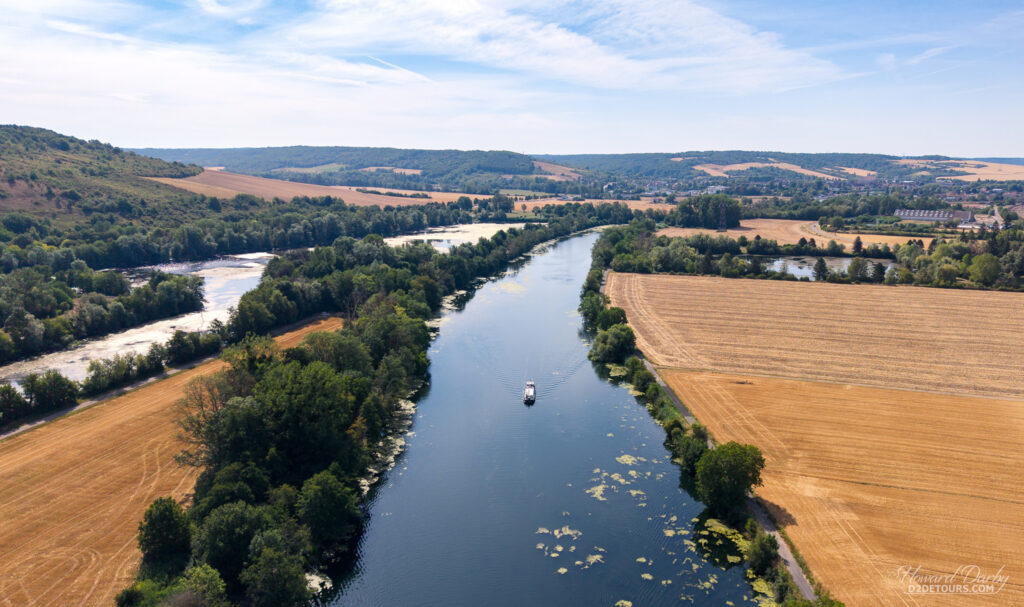
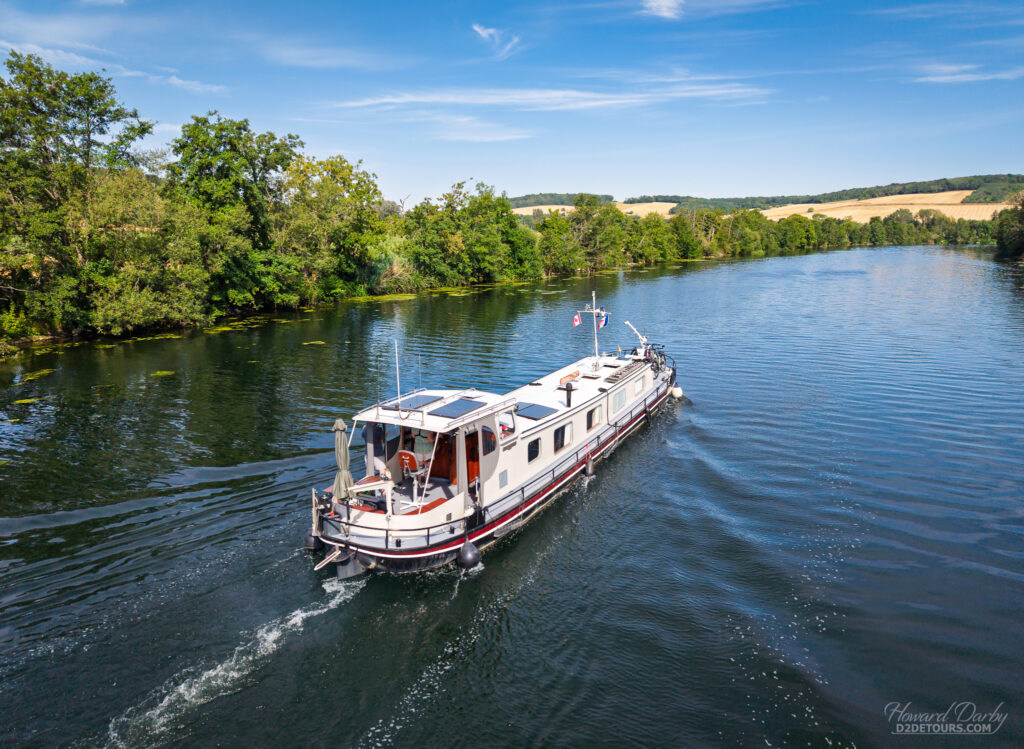
The serene route between VSY and Sens was the perfect stretch for me to showcase my straight-line piloting skills while Howard captured some footage on his drone’s maiden canal flight.
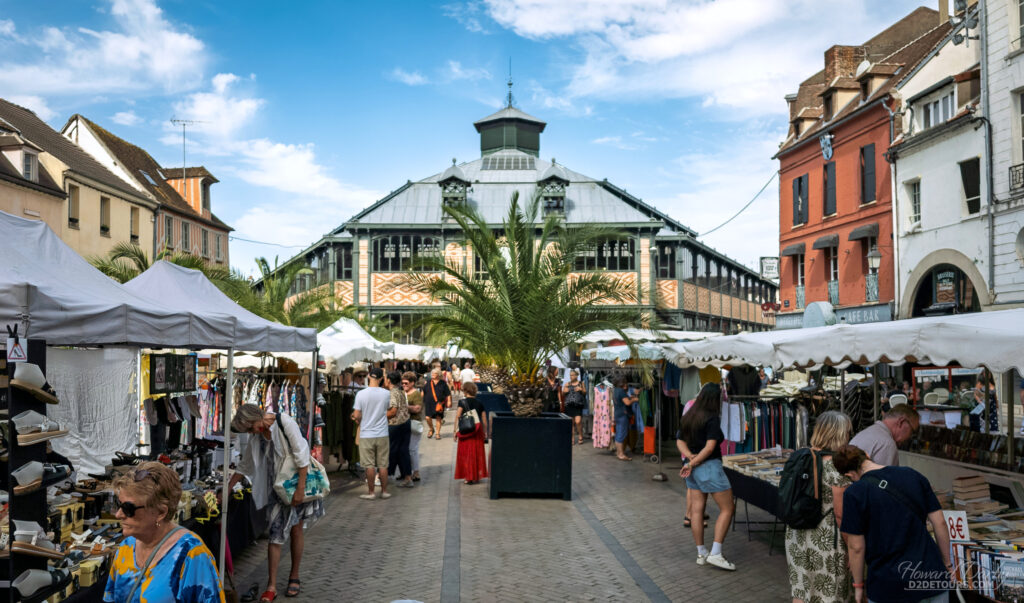
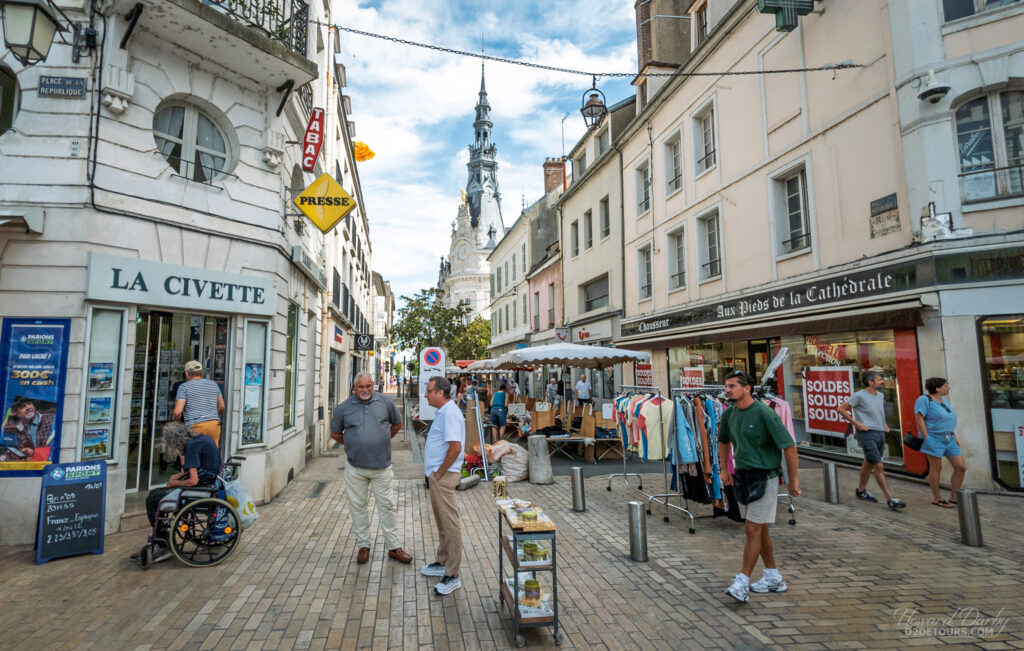
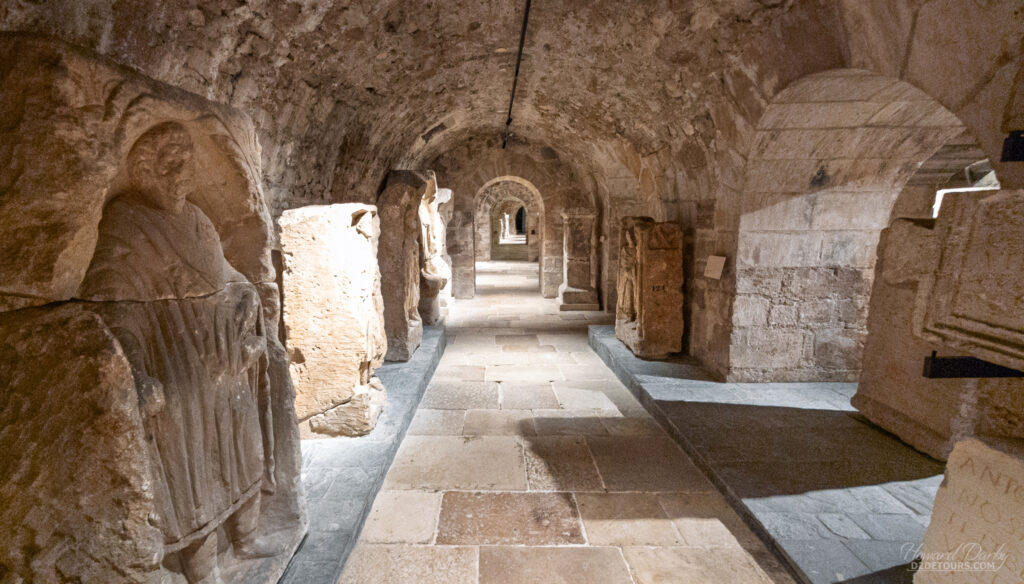
Sens has been a lovely spot to spend nearly a week, especially because the moorage, electricity and water were all free! It also gave us a useful, teachable moment. After a few days of laundry, showers, dishes, etc., we knew our water tanks were running low, and as we were getting ready for bed one evening, we agreed our first task the next morning should be filling the tanks. What we didn’t realize was that when the tanks get down to the last few inches, the pump starts pumping air and doesn’t shut off. Our nighttime ablutions triggered that action, and it’s not a sound that encourages peaceful sleep. So at 1 am, we got up and spent 30 minutes filling the tanks in our pyjamas; we will not make that mistake again.
À la prochaine!
Follow along on our Calm Canals Instagram, Facebook or YouTube pages.

what a way to start!
Much different than Cannell Road! Enjoy the new life and adventures.