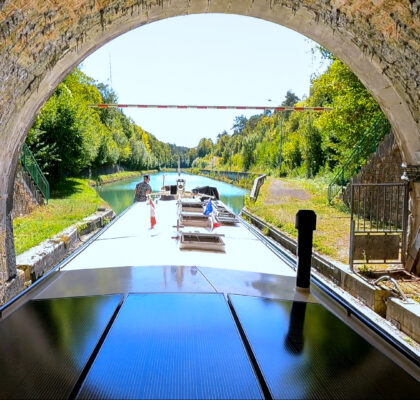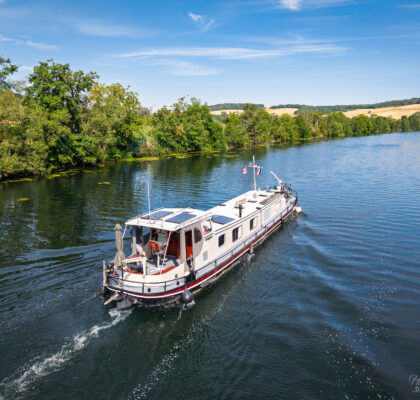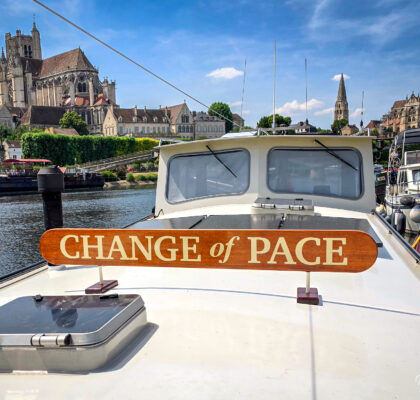
The most memorable segment of our next leg of traveling was navigating the Seine on our own barge through the heart of Paris. This was something Howard had been enamoured with since he first watched the Godfreys’ video (when they still owned CoP) documenting their trip through the city in 2025. He didn’t realize then that he’d be captaining the same boat through Paris a year later, but it was something he’d been eagerly anticipating ever since we agreed to purchase our new home. It did not disappoint, and while it was certainly the highlight of the past several weeks, it was not the only picturesque piece of France we toured.
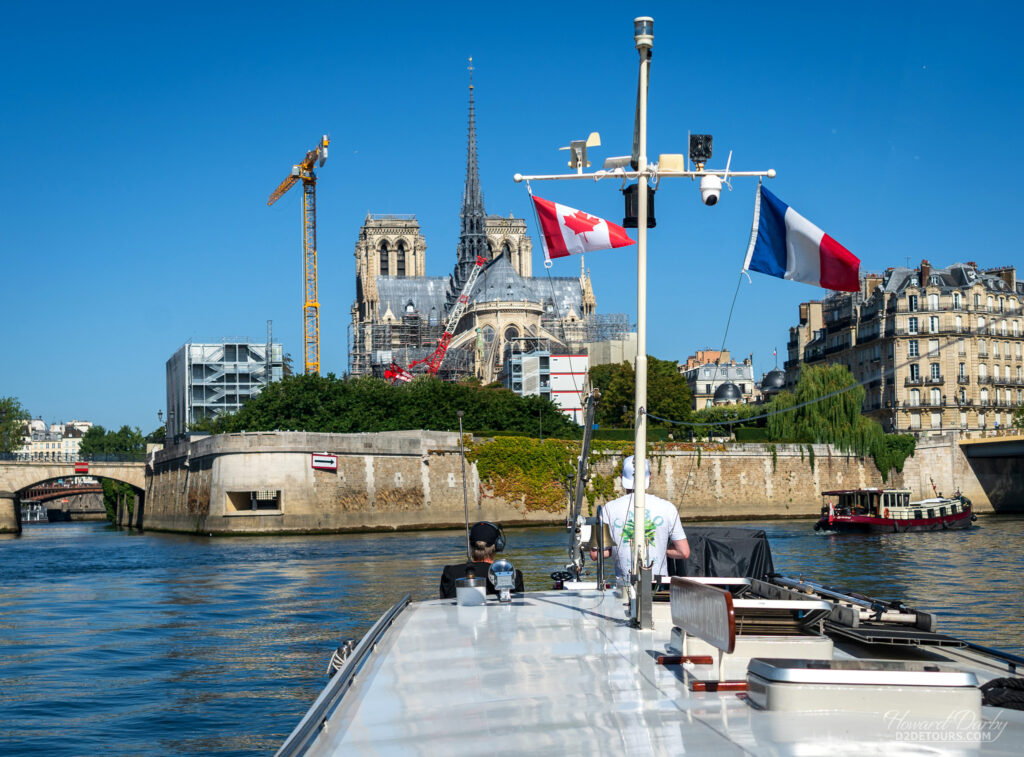
When last we met, CoP was on the Yonne River in Sens; I am writing today while we are moored in Compiègne on the Oise. We have travelled roughly 313 km / 194 miles, traversed 26 locks, and shared the Seine with some gigantic commercial traffic. The Yonne empties into the Seine approximately 42 km / 26 miles from Sens, and while it too is a commercial waterway, it wasn’t until the confluence of the two at Montereau-Fault-Yonne that we began to see some mind-blowing freight barges, sometimes as long as 135 meters / 443 feet with an 11 meter / 36 foot beam (remember, we are a measly 18.6 m / 61 ft x 3.55 m / 12 ft)!
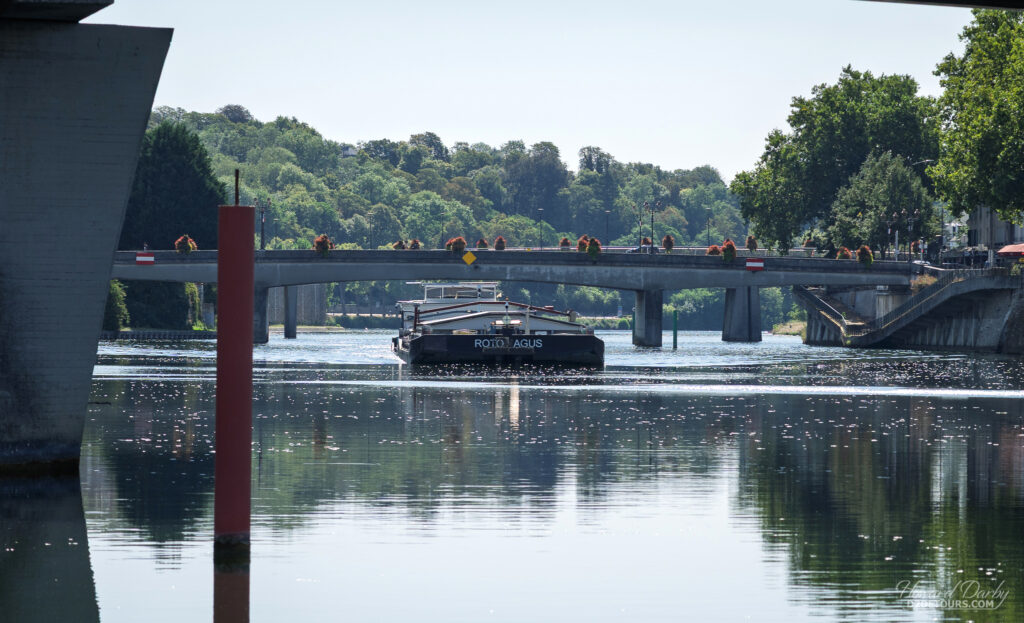
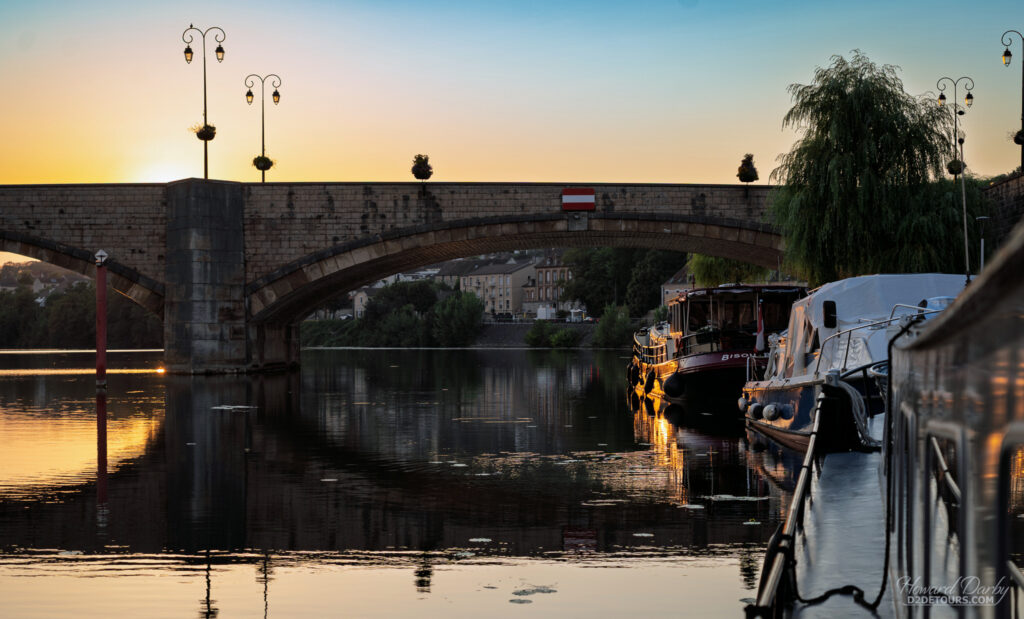
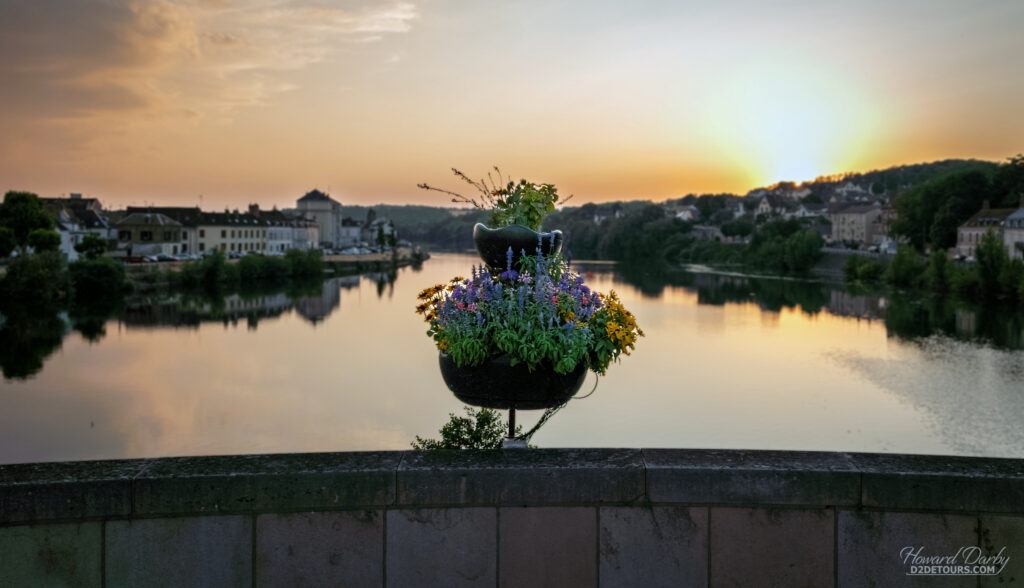
Not long after entering the Seine, we slipped down one of its tributaries, the Loing River, to spend a few nights in the town of Moret-sur-Loing, one of several 12th/13th-century border fortresses built to protect the Kingdom of France from its annoying neighbours. It is also where the real-life Nicolas Fouquet (who figures prominently in Alexandre Dumas’ Three Musketeers anthology) was imprisoned in 1664, and in 1815 Napoleon spent a night there too, albeit as an honoured guest, not a prisoner.
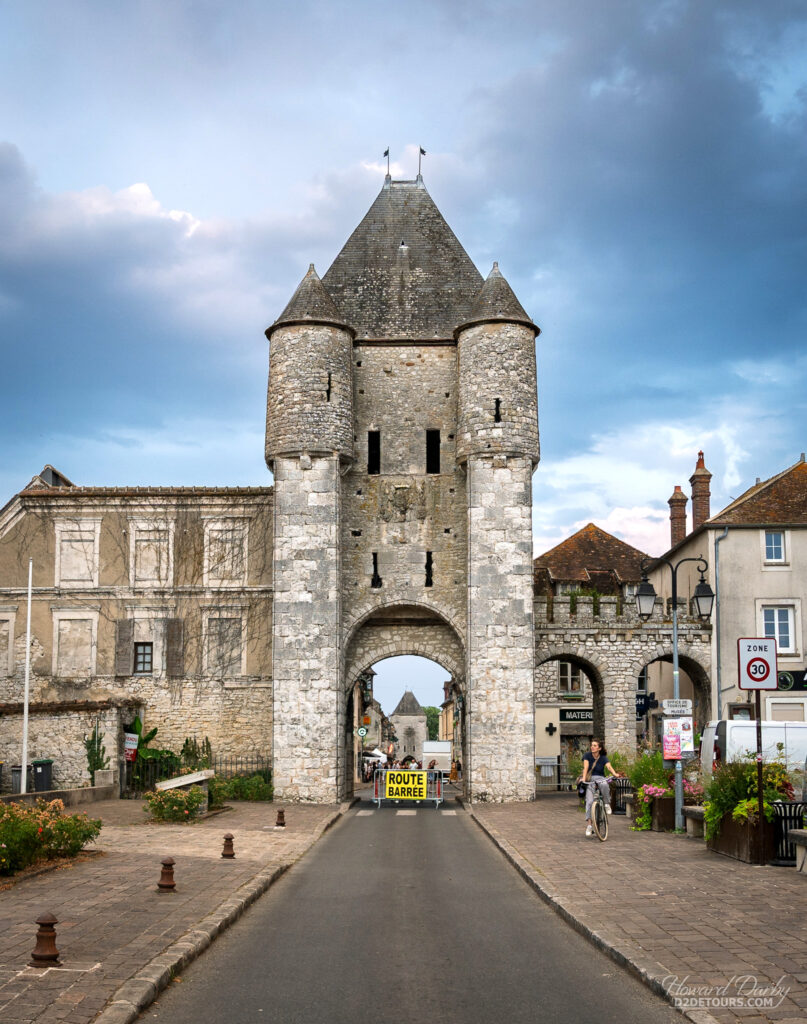
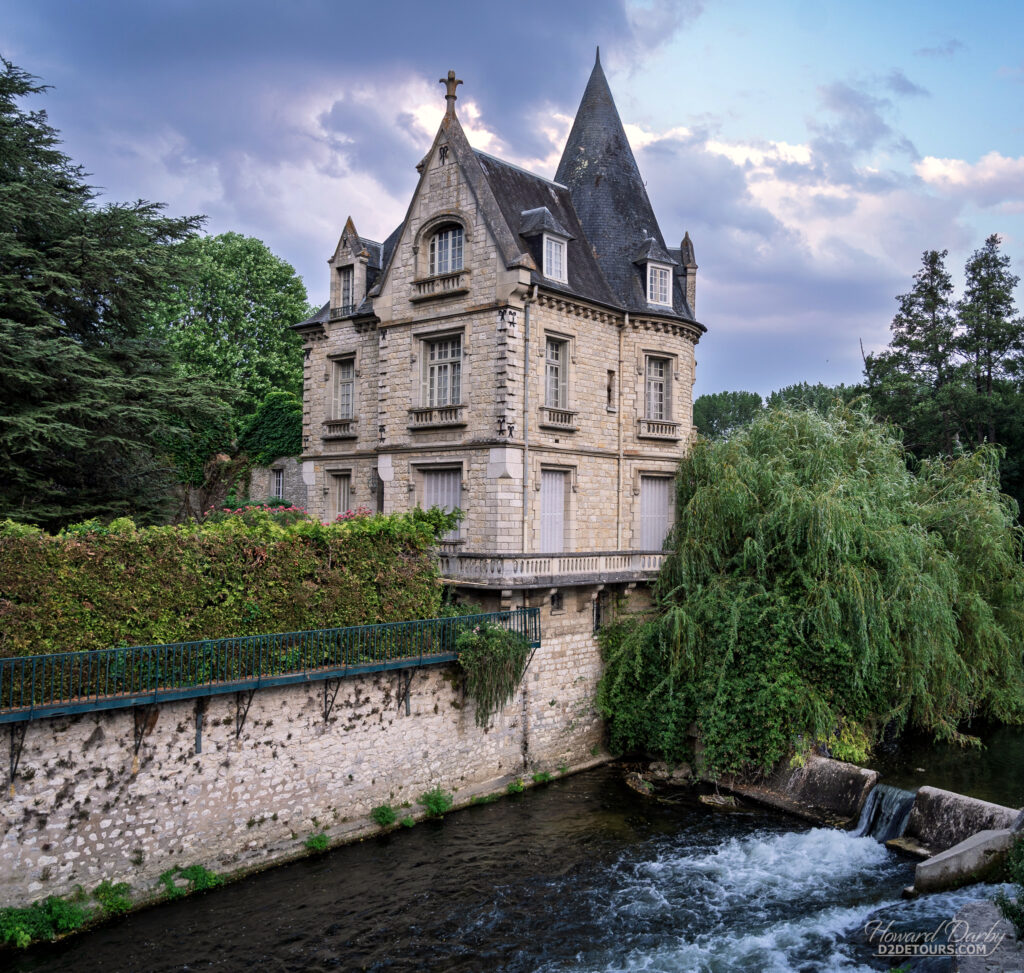
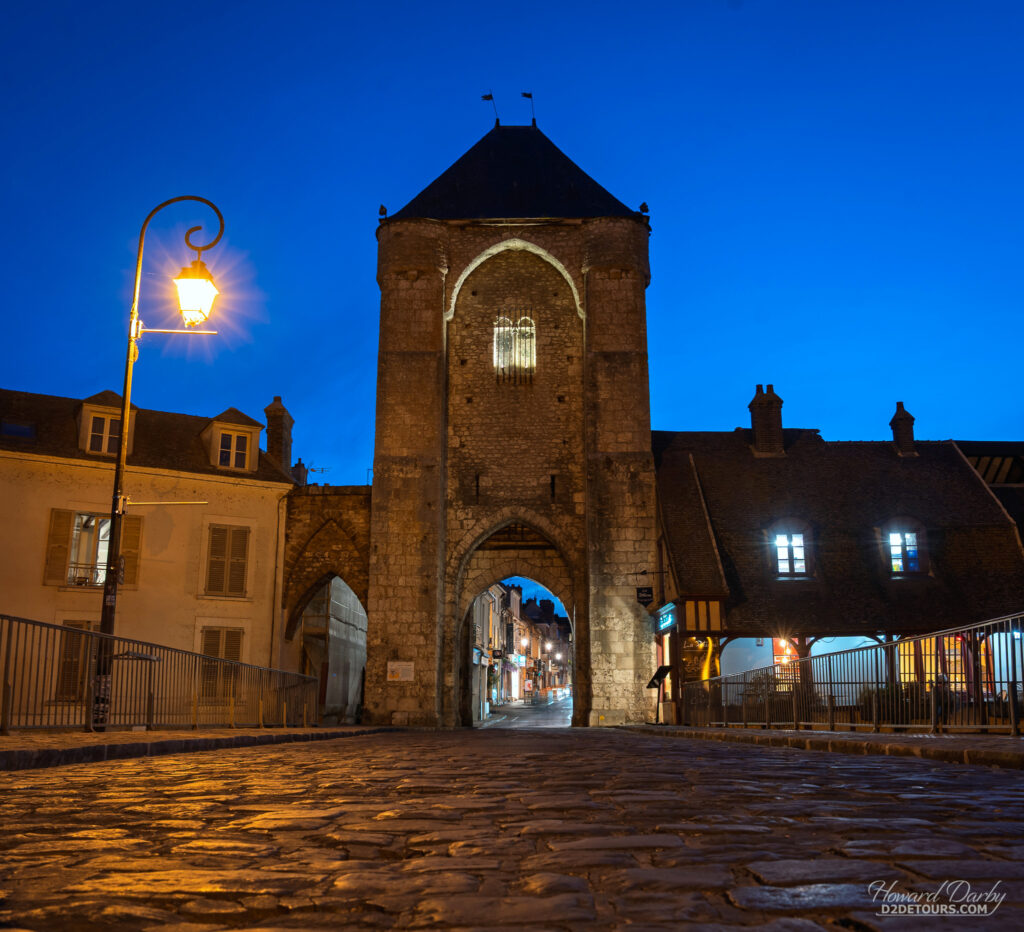
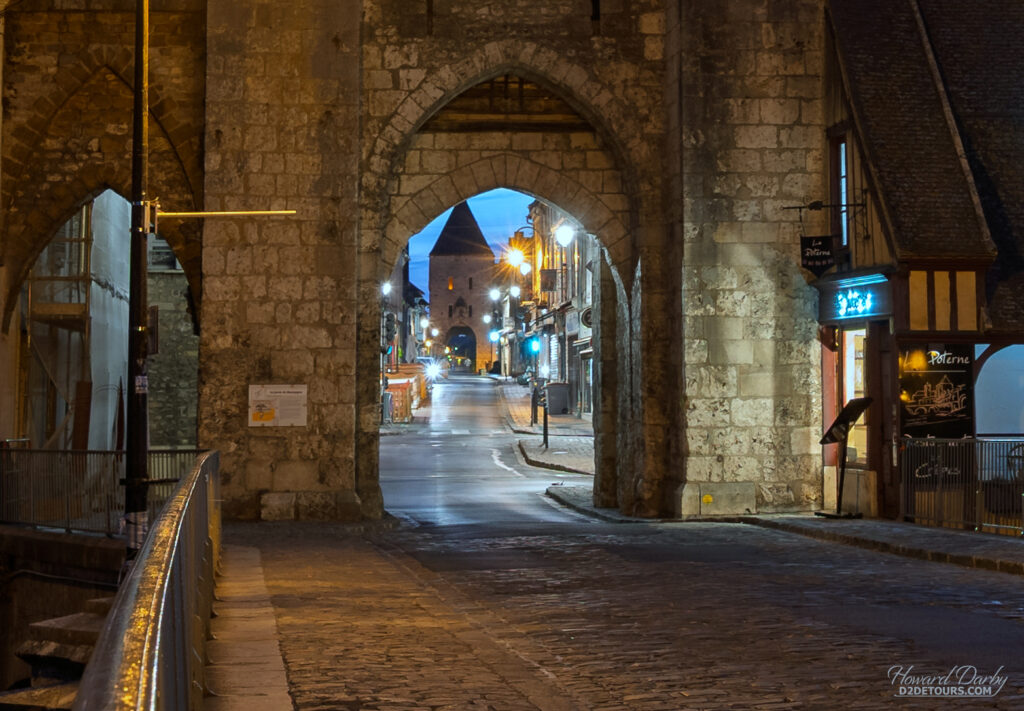
From Moret-sur-Loing, we ventured back onto the Seine and made our way to Melun. Known as Melodunum when Julius Caesar captured the settlement in 52 BCE, it has long played a vital role in defending the river approach to Paris. Its medieval layout echoes that of Paris’s Île de la Cité, thanks to King Philip Augustus, who fortified Melun’s Île Saint-Étienne in the early 13th century to mirror the defensive walls he was simultaneously building in his capital.
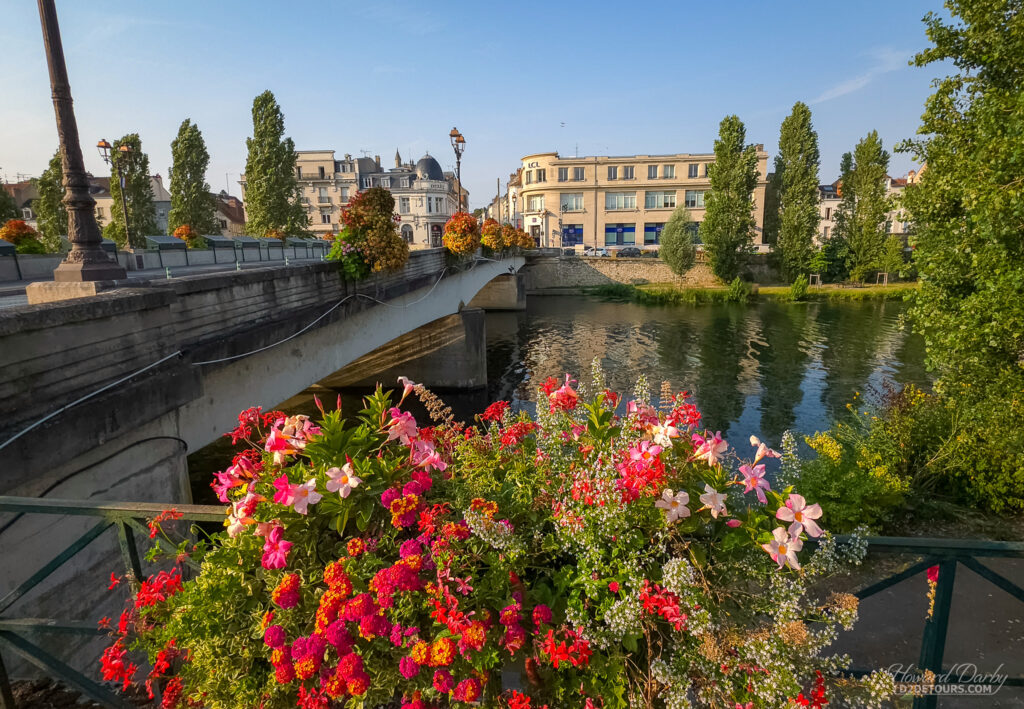
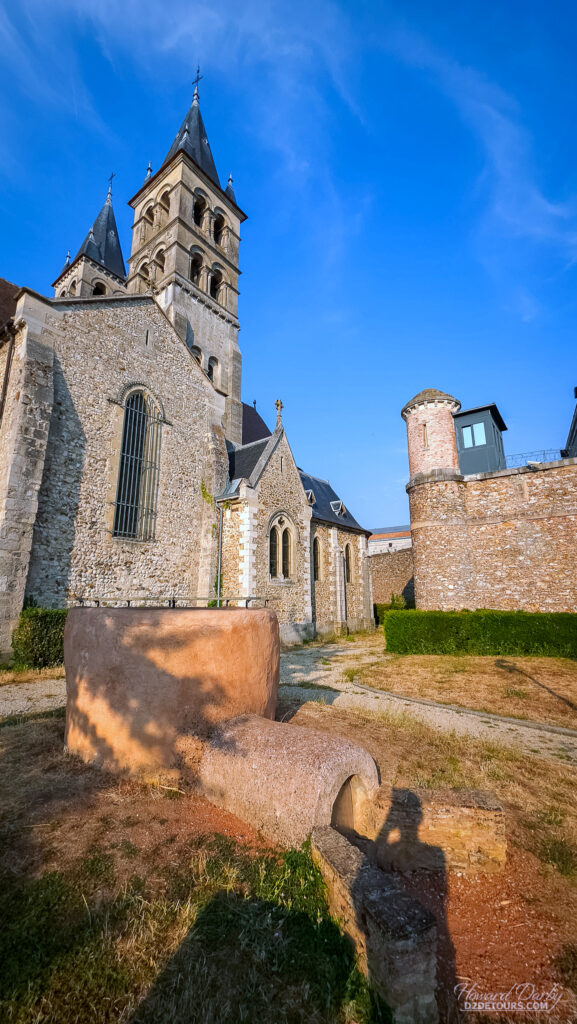
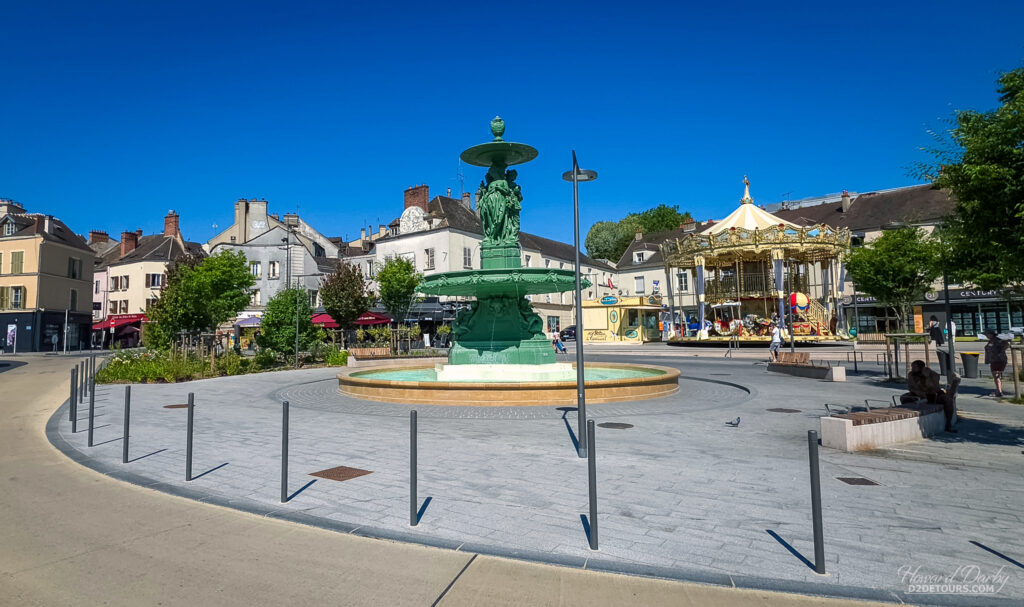
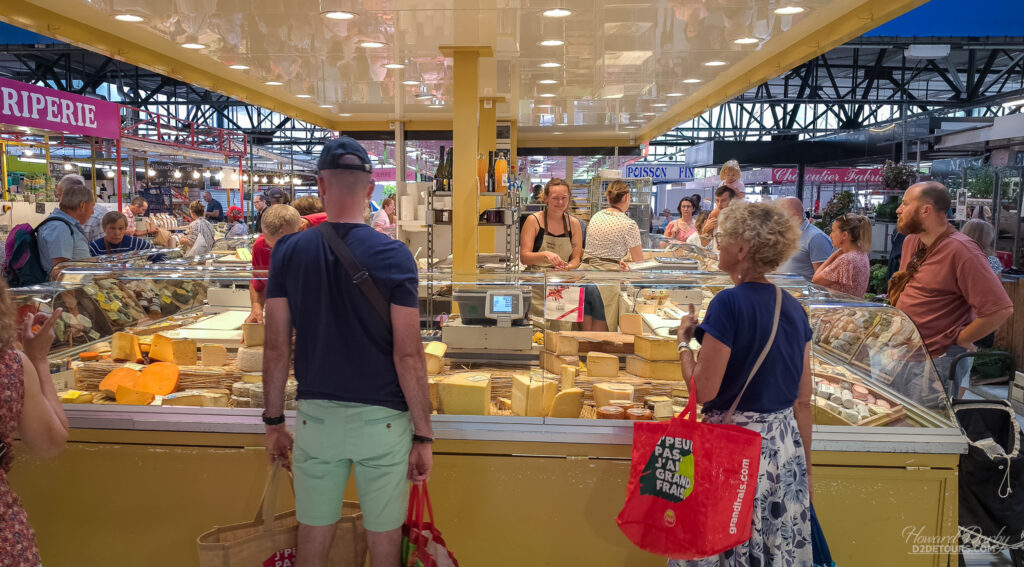
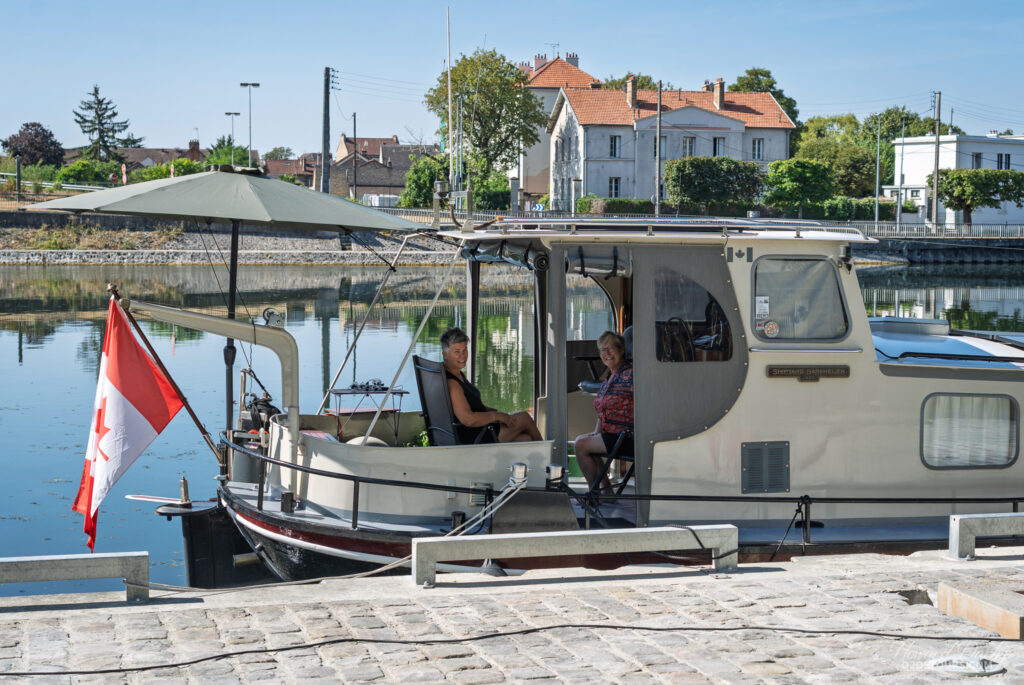
We spent quite a bit of time in Melun, longer than the city really warranted, but we were waiting for our son, Connor, to join us for a visit, and it was well situated for access to the Charles DeGaulle airport. We spent several days anxiously watching the news as he was flying with WestJet, and days before his departure, the flight attendants went on strike. Thankfully, it all worked out, and it was great fun having him experience our new lifestyle firsthand.
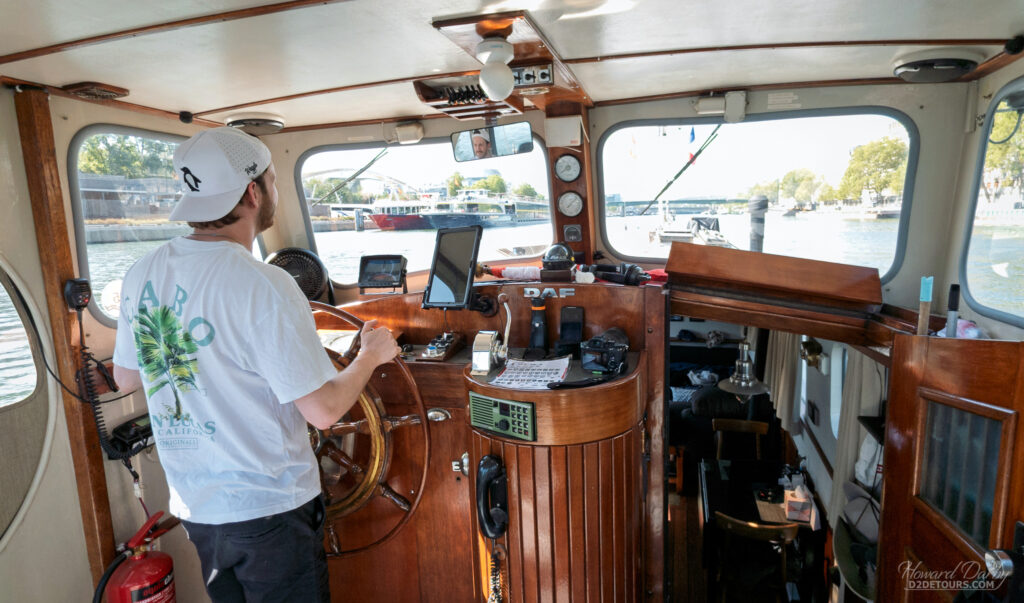
Plotting our course through Paris required that we be mindful of a number of strict regulations. Every inch of the Parisian riverbank is zoned; tying up to any quay is illegal unless you hold an authorized commercial stopover or a pre-booked reservation at the city’s lone official marina – at 24 meters long, Bisou Bisou would be a massive challenge for Laura and Boyd to maneuver into that tight harbor. Speed is also heavily restricted through the city center to protect the ancient quays from wake damage, stretching the central transit into a slow one-and-a-half to two-hour crawl (not that we are complaining)! Additionally, entering (or exiting) Paris from the south requires timing a strict alternating traffic system. Because the Île de la Cité and Île Saint-Louis split the Seine into narrow channels, they create a dangerous suction effect that can cause ships passing one another to collide. That danger is heightened by a completely blind corner. Consequently, downstream traffic is restricted to the top of the hour, while upstream vessels must wait for the half-hour (we missed the downstream window by about 10 minutes, so had a bit of a wait).
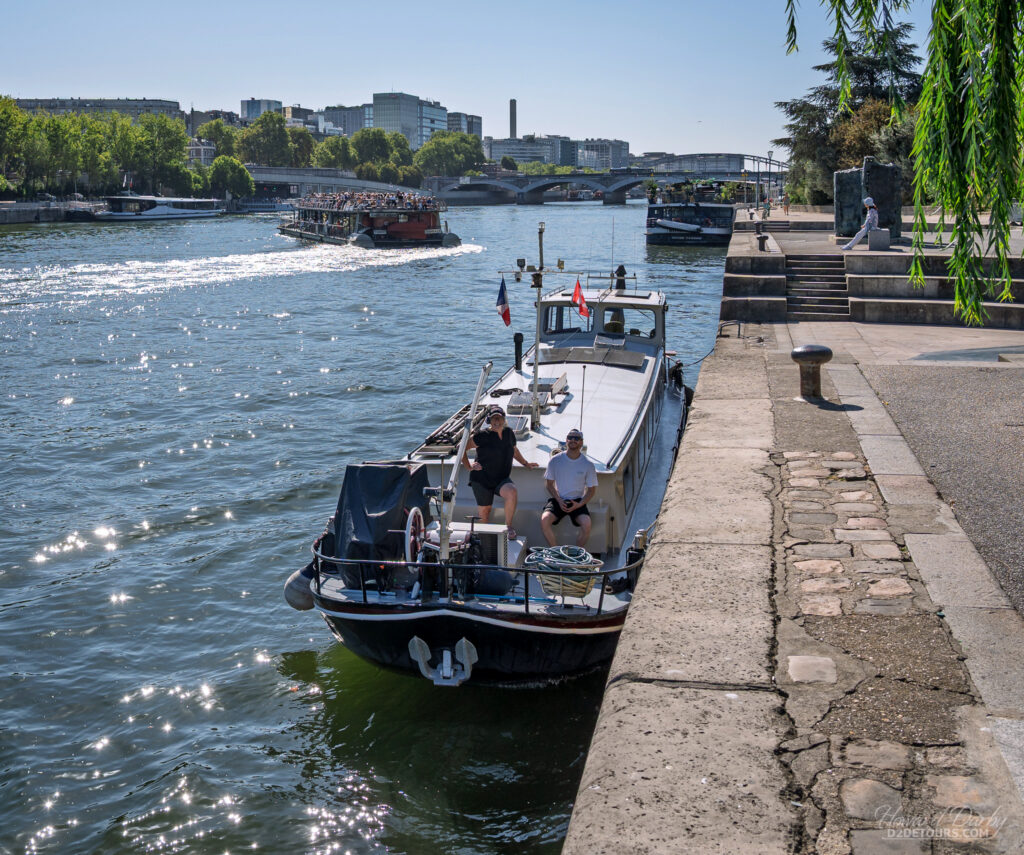
And it wasn’t just the bit through Paris we had to factor into our plans. We were basing ourselves for visiting the city on foot the next day in a suburb another two hours past the restricted zone, and the nearest viable mooring prior to entering Paris was also a two-hour journey away. So it was a long day, but, without question, an unforgettable experience.
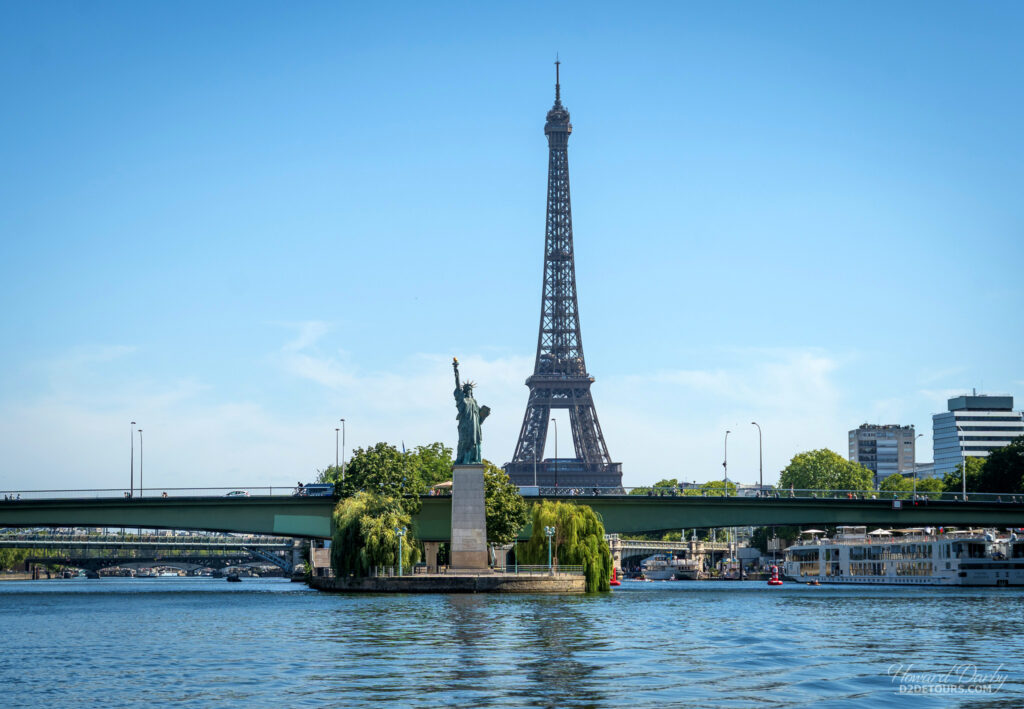
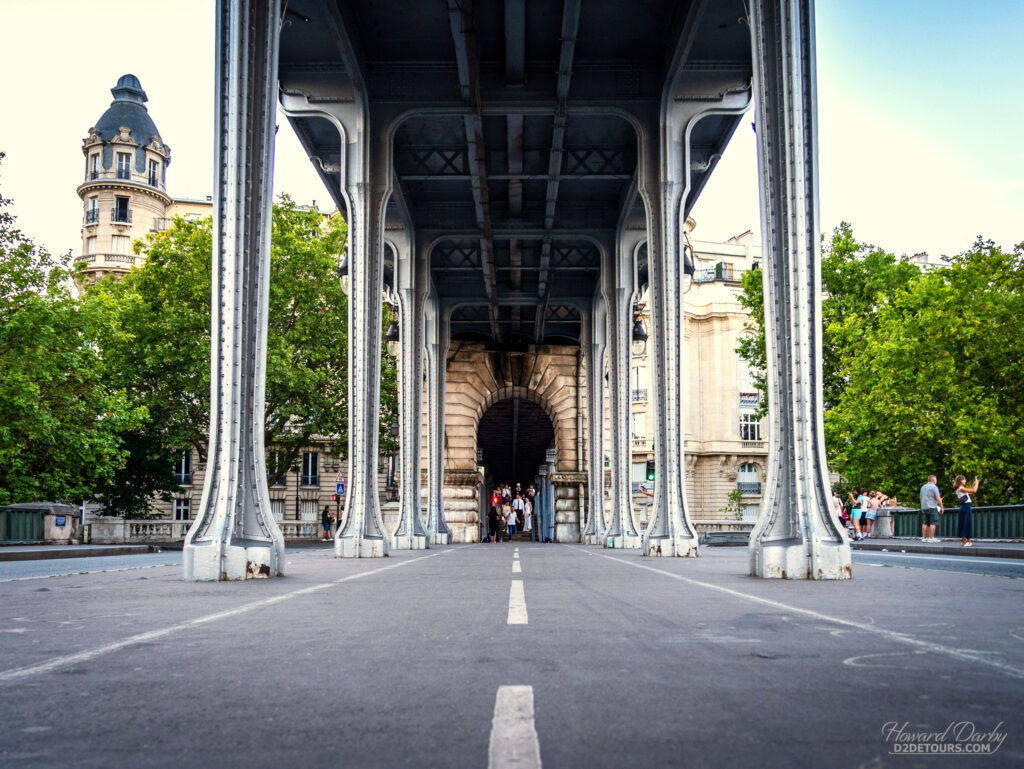
We moored at the free public quay in Rueil-Malmaison, a Paris suburb, and while it took us two hours to get there along the meandering Seine, an Uber ride to the Eiffel Tower the next day was only 45 minutes. Howard and I first visited Paris in 1991, and thoroughly enjoyed walking past all the iconic landmarks again with our son.
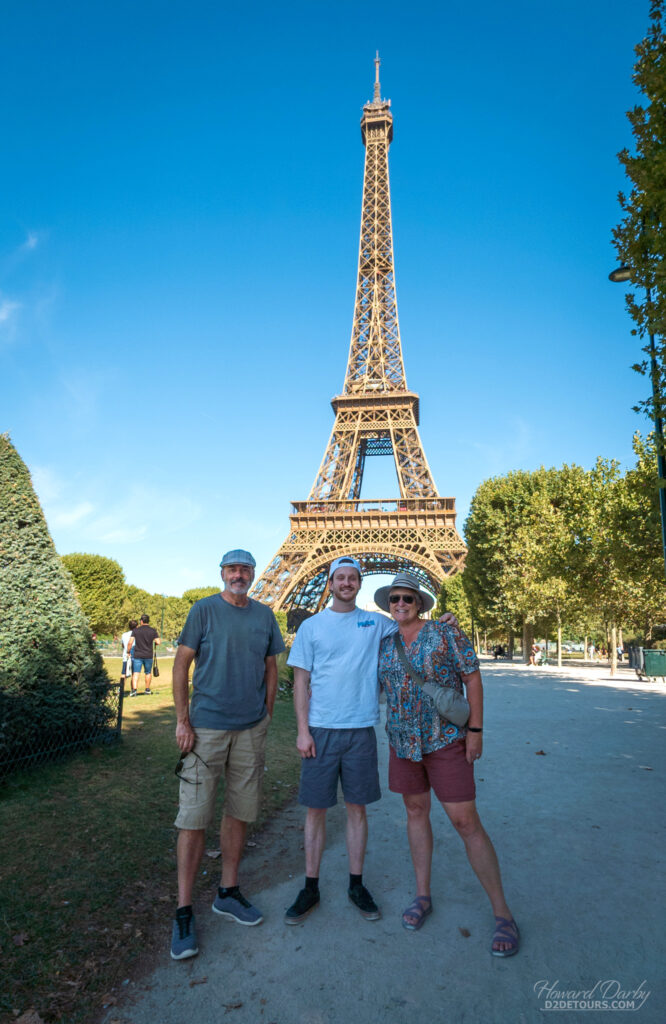
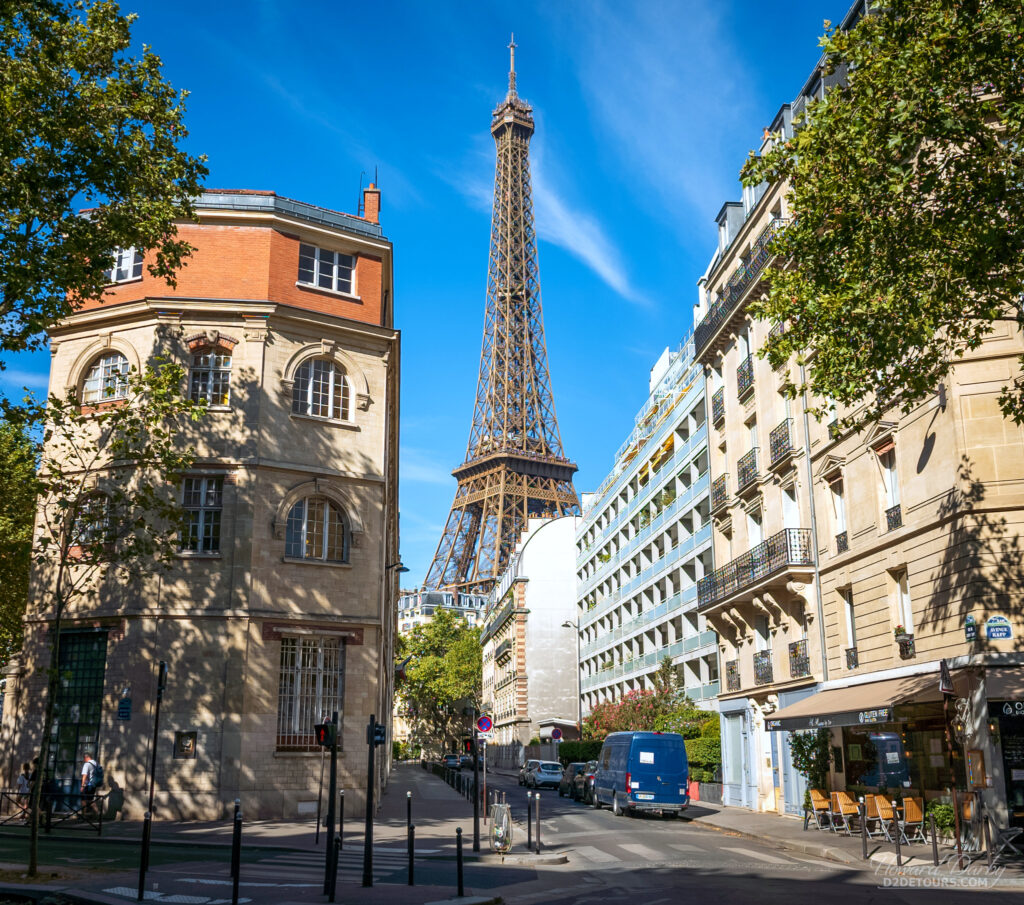
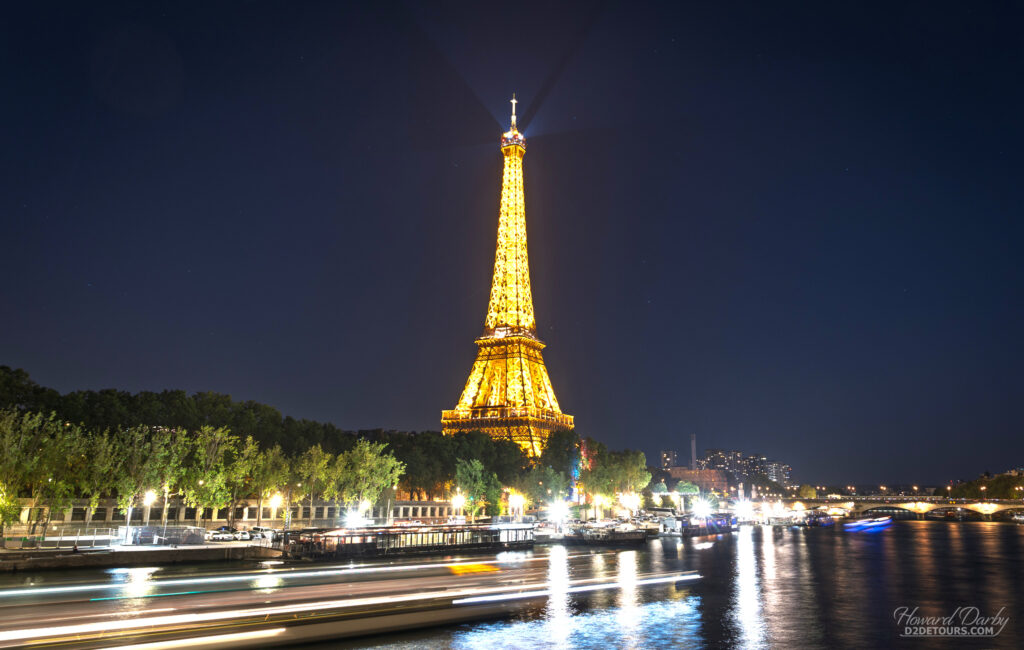
I won’t bore you with details on those famous features, as I suspect most people are quite familiar with what Paris has to offer, but will share a couple of things I found fascinating. Firstly, I was guilty of thinking the Eiffel Tower was made of steel; it’s not. The material used is puddled iron (a type of wrought iron) and was specifically chosen by Gustave Eiffel because of its elasticity, which would ensure it could safely withstand high winds. For its debut at the 1889 World’s Fair, it was painted a deep reddish-brown. Eiffel himself chose a new yellow-brown shade in 1907. In 1968, a patented, custom brown-bronze colour was engineered to harmonize with the cityscape.
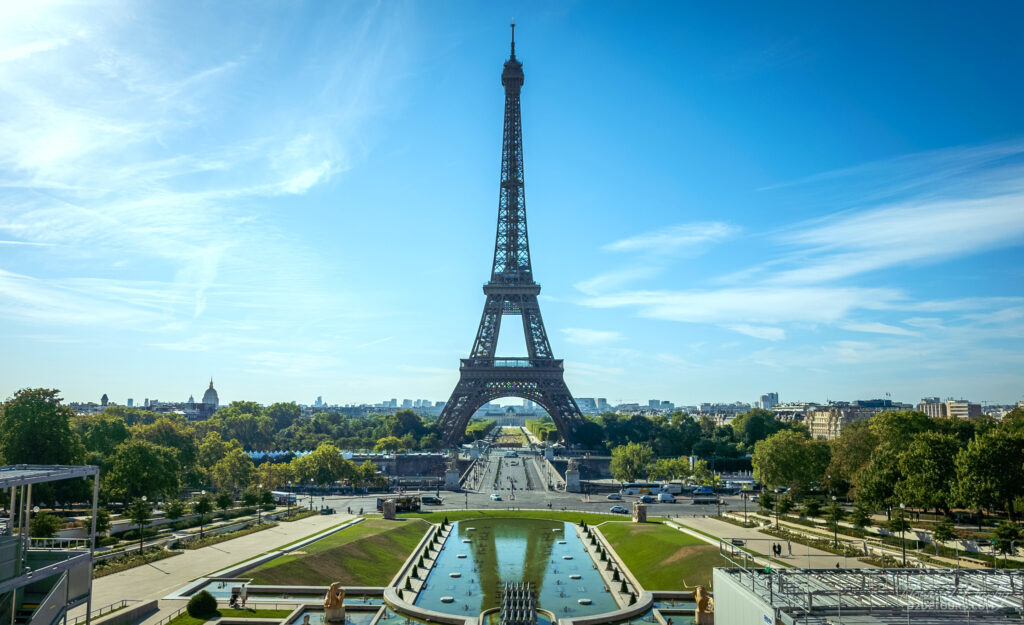
It stayed that colour until 2019, when a massive restoration campaign (in advance of the 2024 Olympics) was undertaken to return the quintessential symbol of Paris to Eiffel’s preferred colour. Whatever the colour, the paint must be reapplied every seven years. Every rivet, every corner, every surface of the 2.5-acre structure is painted by HAND! using traditional brushes and rollers. It takes 25-50 brave souls strapped into harnesses, who must be completely unaffected by vertigo, roughly 15 to 18 months to complete that task.
Because the quay in Rueil-Malmaison is free, there are no power or water hookups, so after two nights we moved on to a new marina that just opened in April. We can create our own power with solar batteries and a generator, but water is a bit harder to replicate. The new facility was lovely, with a matching moorage fee, so we only stayed two nights. Again, though, because of the serpentine Seine, we were still quite close to Paris and popped back in to catch the nightlights.
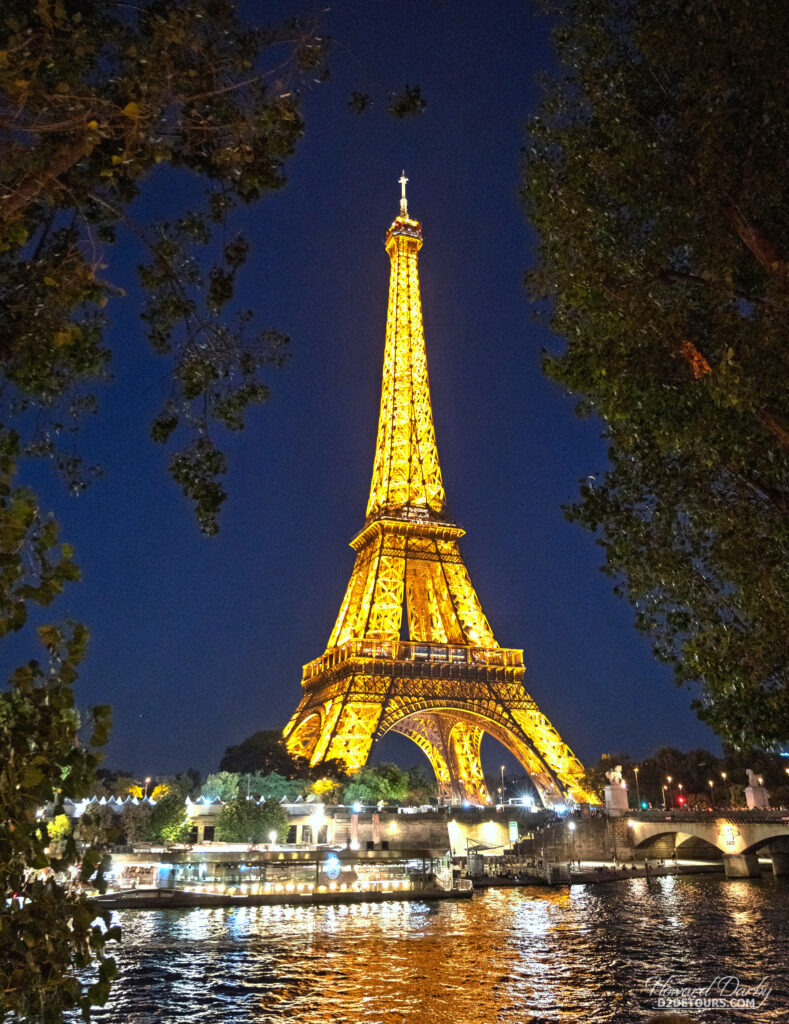
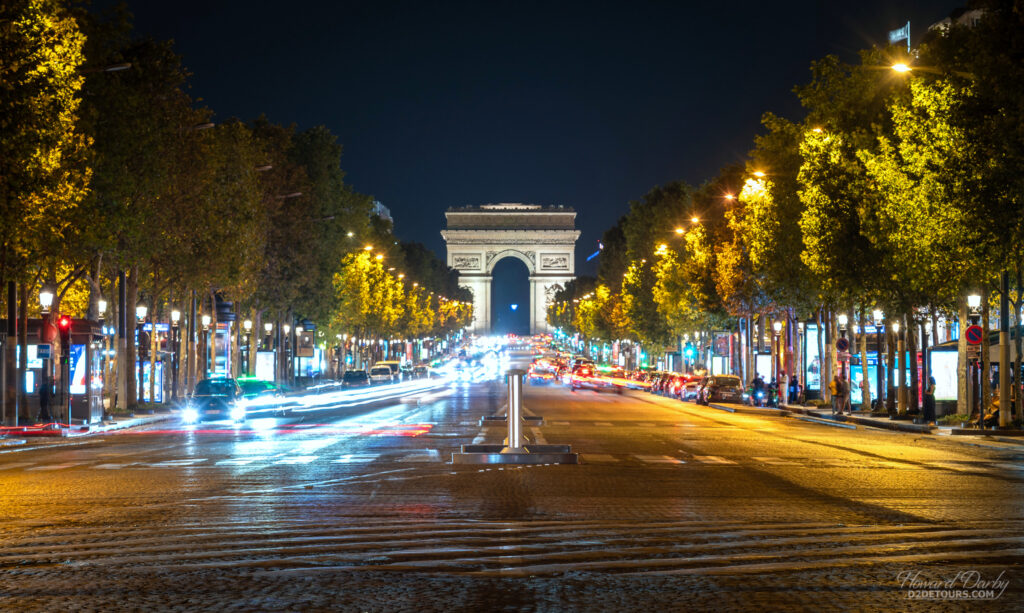
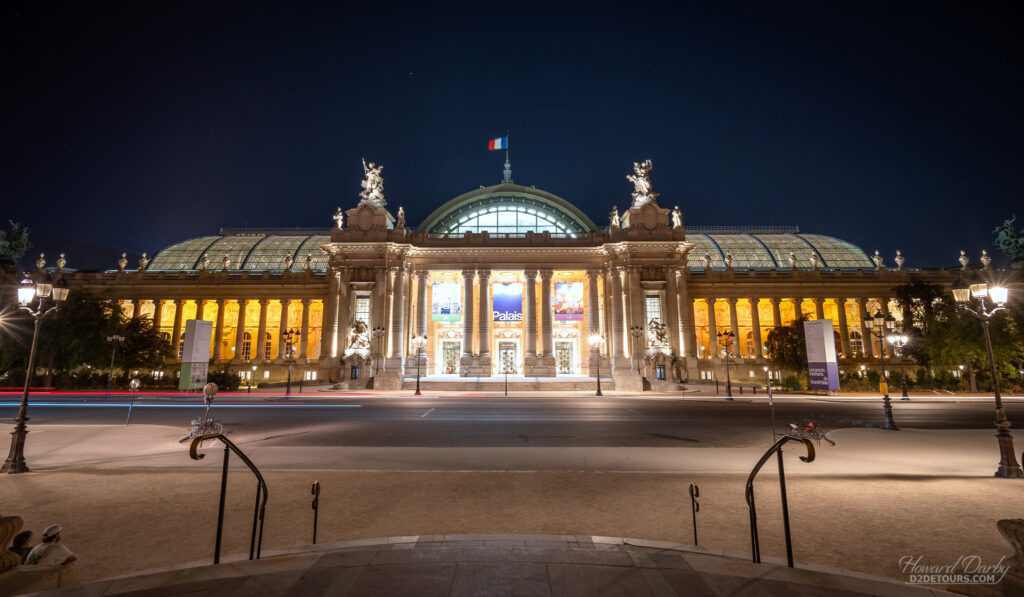
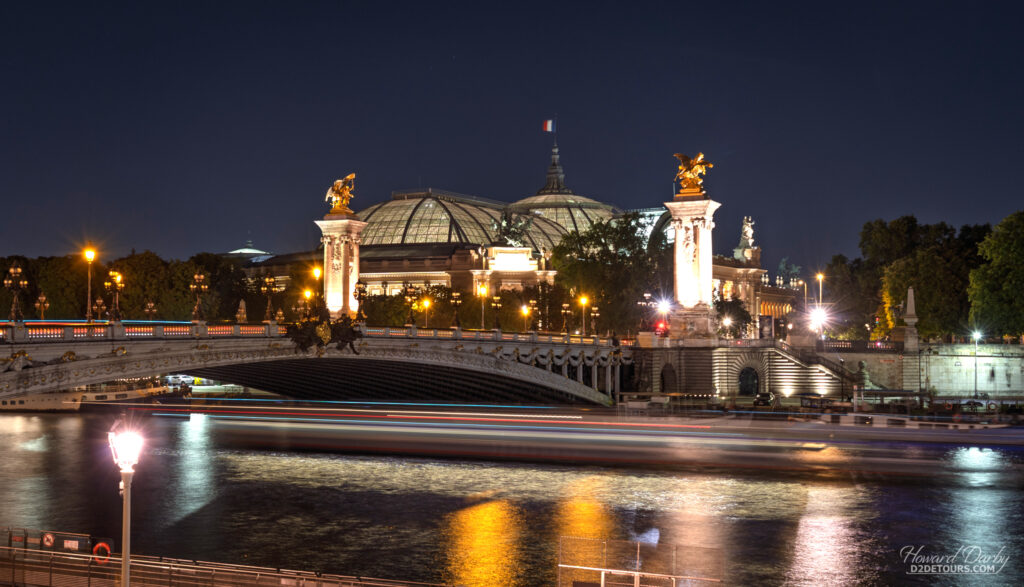
Next stop on this trip with Connor was Cergy, a university town showcasing late 20th-century French urban planning. That type of architecture doesn’t really capture our imaginations, but the gorgeous buildings of the Château de Chantilly certainly did, so we rented a car for a field trip. The medieval fortress and the subsequent transformations during the Renaissance were mostly destroyed during the French Revolution. The current Château and grounds date from the late 19th century and house the second-largest collection of antique paintings in France after the Louvre. Its other claim to fame is Chantilly cream (sweetened whipped cream). An 18th-century French aristocrat, socialite, and memoirist, the Baroness of Oberkirch, wrote of this delectable sugared dessert served to her during a feast in 1784, and the rest, as they say, is history.
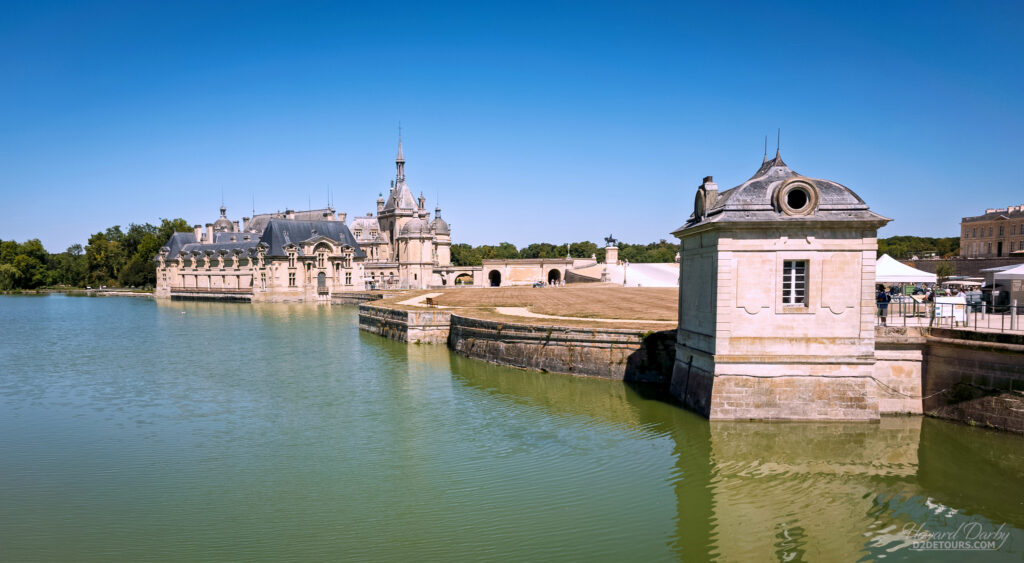
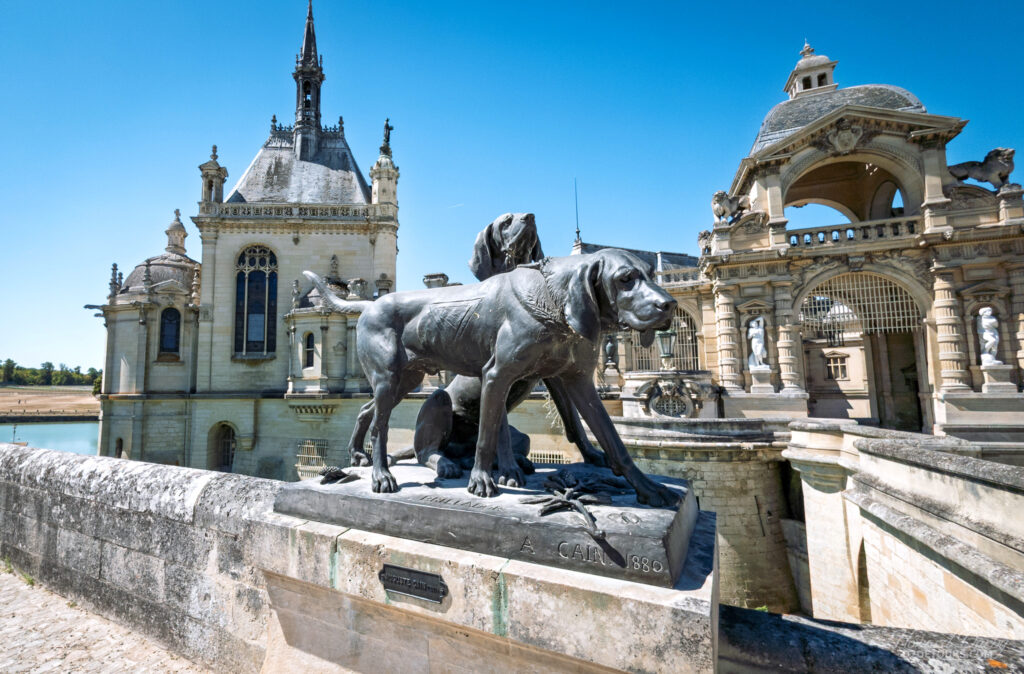
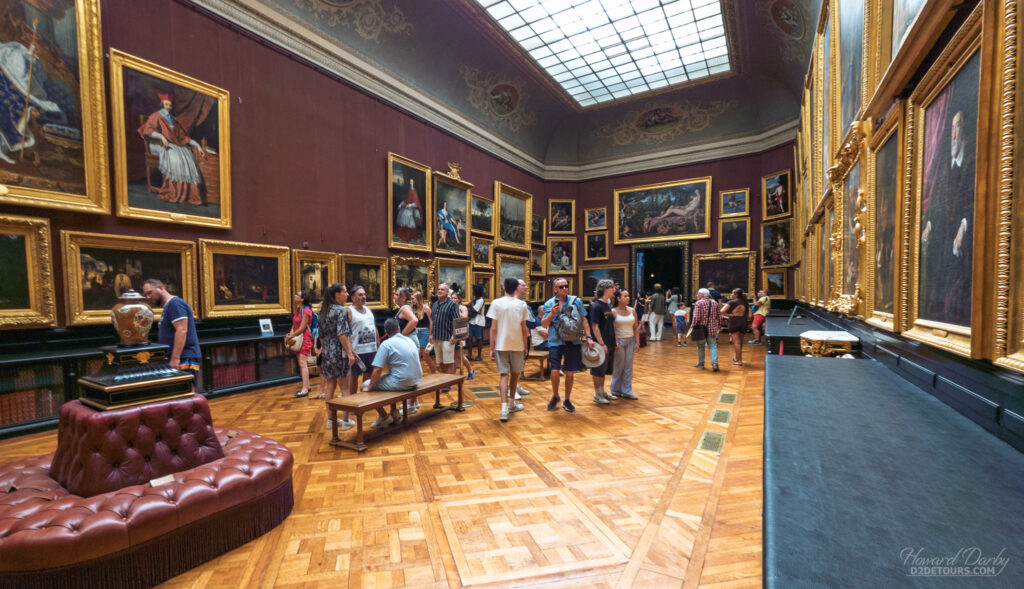
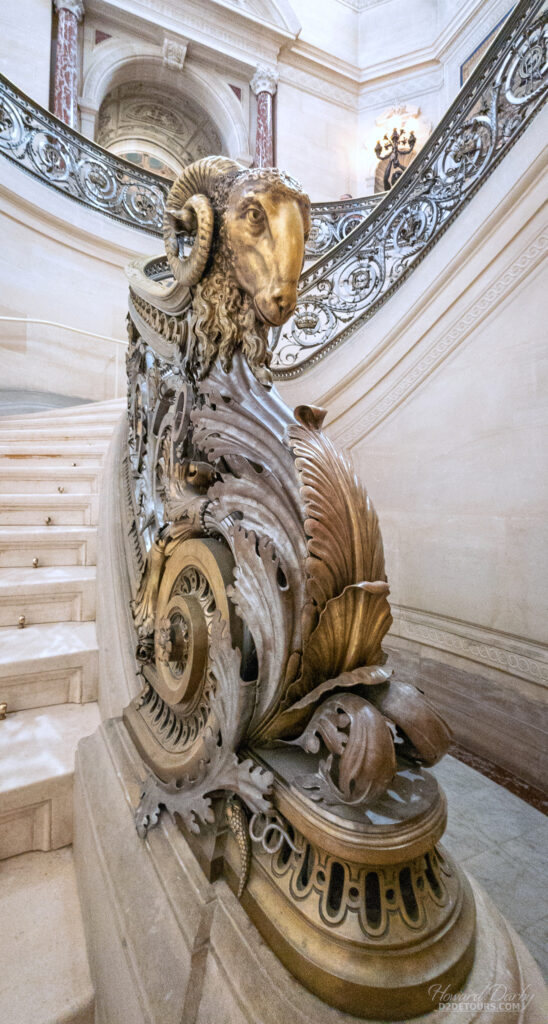
We timed our 24-hour car rental for the Chantilly Château visit so that we would still have the vehicle to drive Connor an hour back to the airport for his flight home, and enable us to do a big grocery shop so as not to have to lug some bulky staples back on our bicycles – a win/win for all of us. The day Connor left, another heatwave hit France, so we opted to stay several more nights in the Cergy marina, where we had power and could run AC as much as we needed.
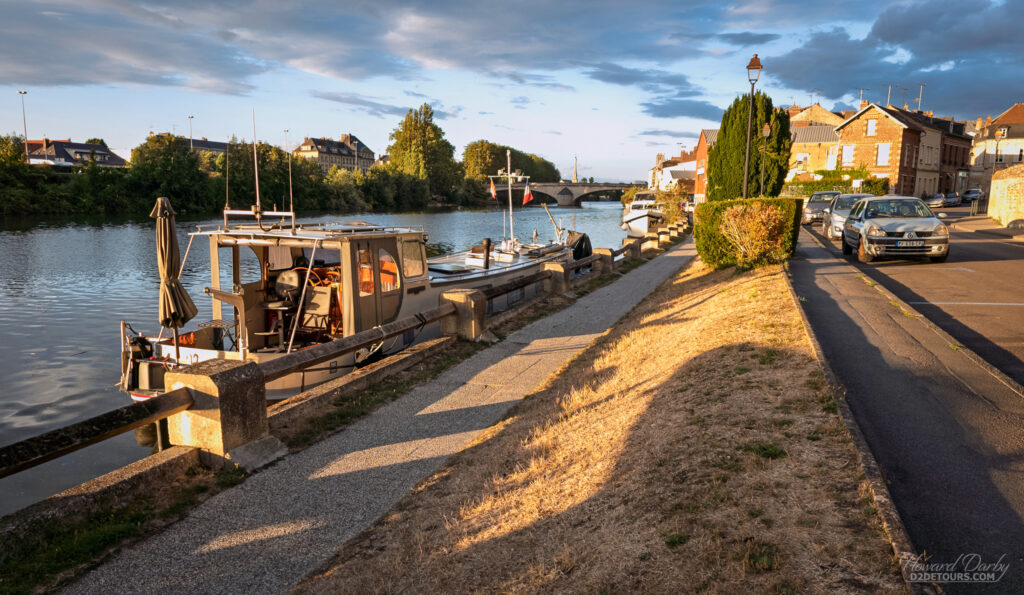
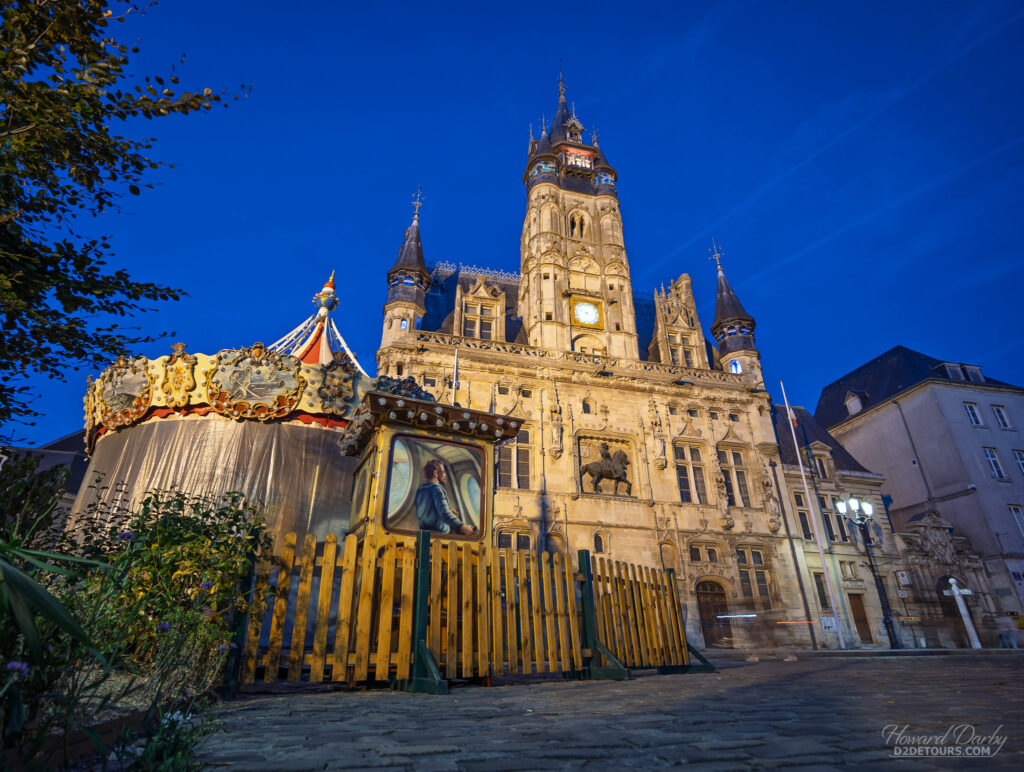
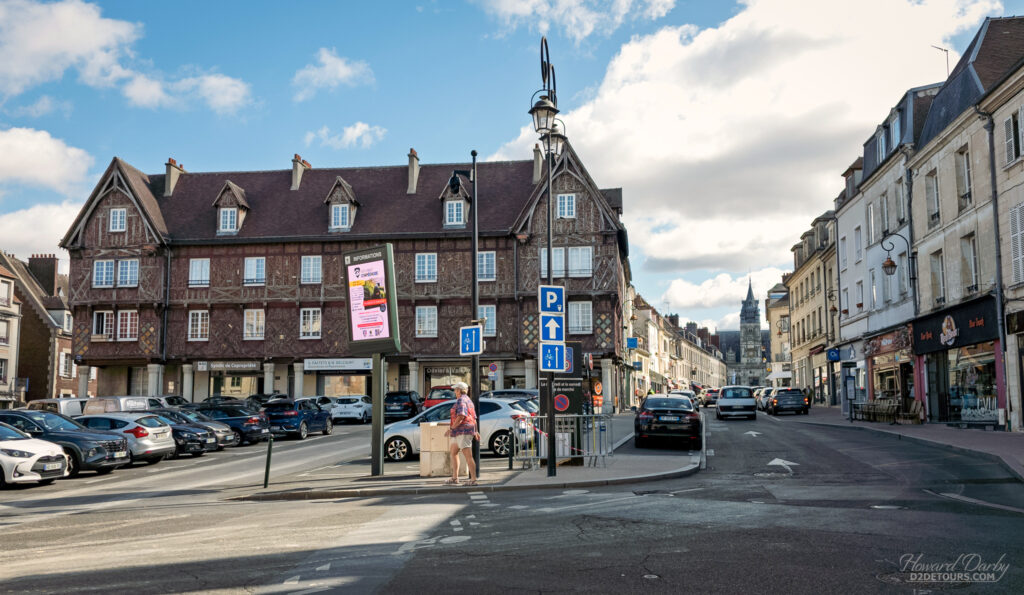
Now we are in Compiègne, home to a few notable moments in European history. Joan of Arc was captured just outside the city gates in 1430, and centuries later, the 1918 armistice ending WWI was signed here by French, British, and German delegates. In 1940, in a calculated move to humiliate France, Hitler chose the exact same location, sitting in the very same chair used by the French Allied commander in WWI, to witness the French delegation surrender to Nazi Germany.
À plus tard.
Follow along on our Calm Canals Instagram, Facebook or YouTube pages.