
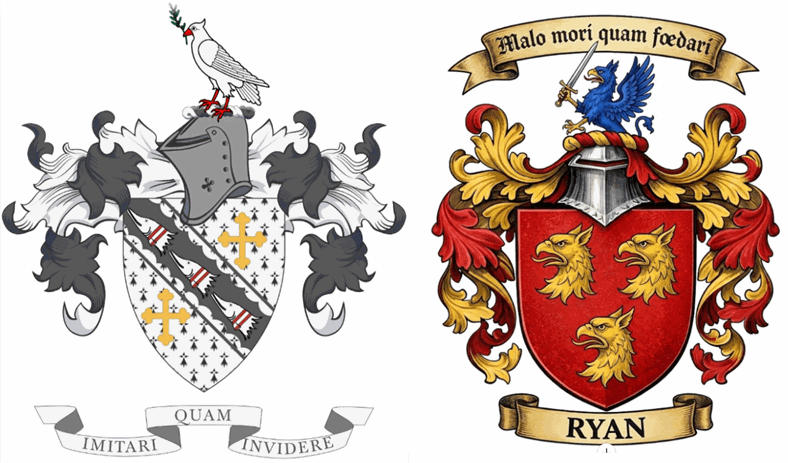
One advantage of living in Europe is how quick and affordable regional flights can be. Under two hours from Paris to Dublin, and less than $500 CAD (round trip) for the two of us, made Ireland a very appealing destination for a quick getaway. Having recently finalized Irish citizenship by descent, we felt it especially fitting to spend some time discovering the island of my ancestors. I can trace my Irish roots through both parents; however, citizenship by descent only extends back to grandparents. My maternal great-great-grandfather (Ryan) came to America from Tipperary in 1844, so that link was too distant, but my paternal grandfather (Owens) was born in Belfast, and while not in the Republic of Ireland, it is on the island of Ireland and that counts!
We were fortunate enough to visit Belfast a couple of years ago as a port of call on a cruise, so this time we turned our attention to the west coast of Ireland, and explored over 700 kilometres (400 miles) along the Wild Atlantic Way.
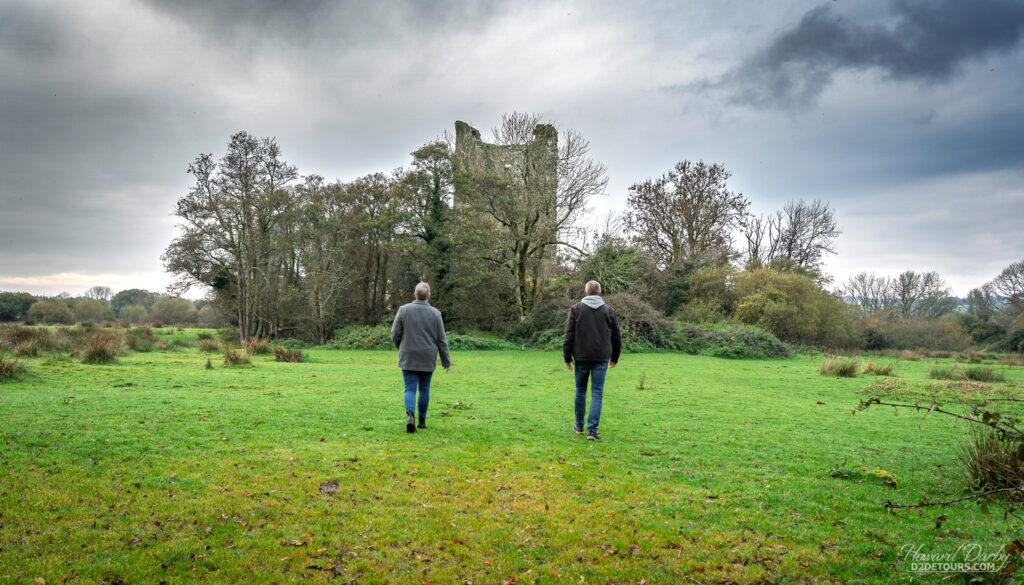
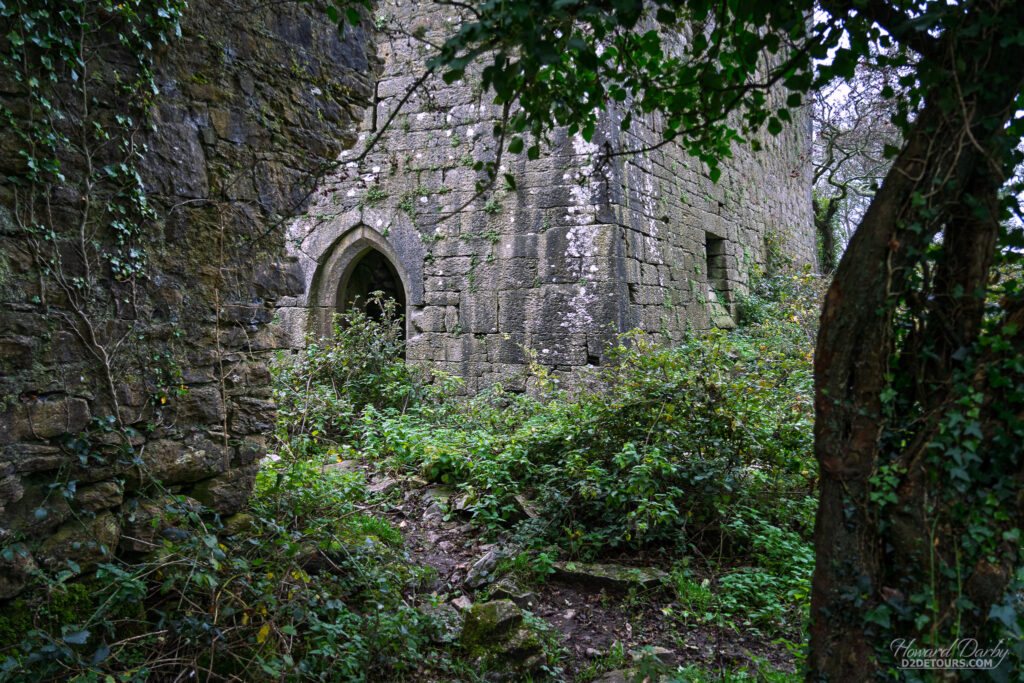
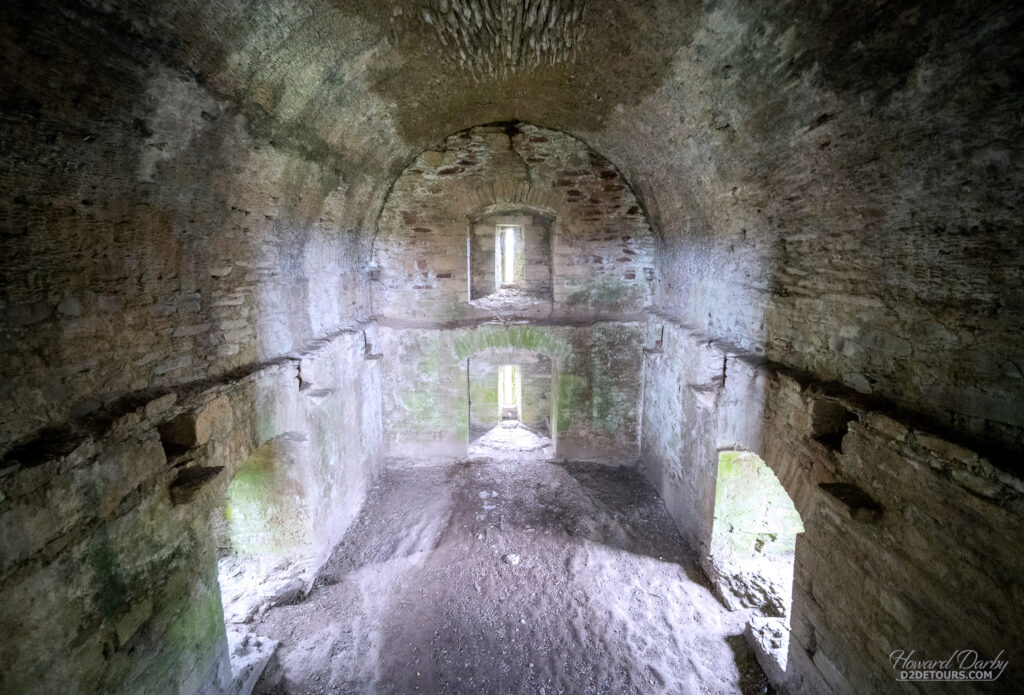
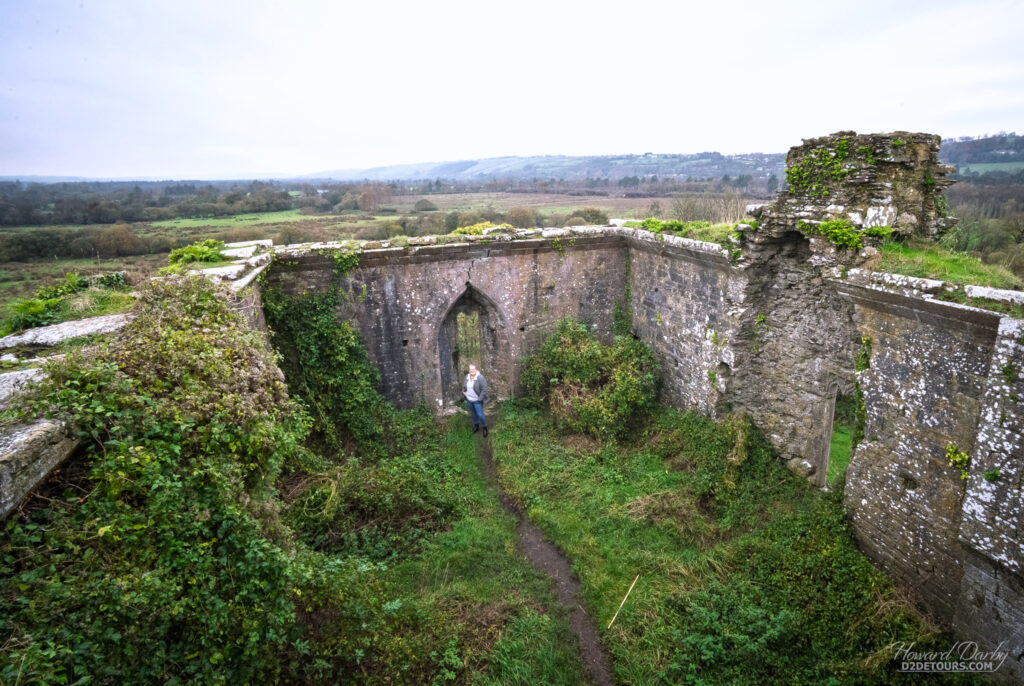
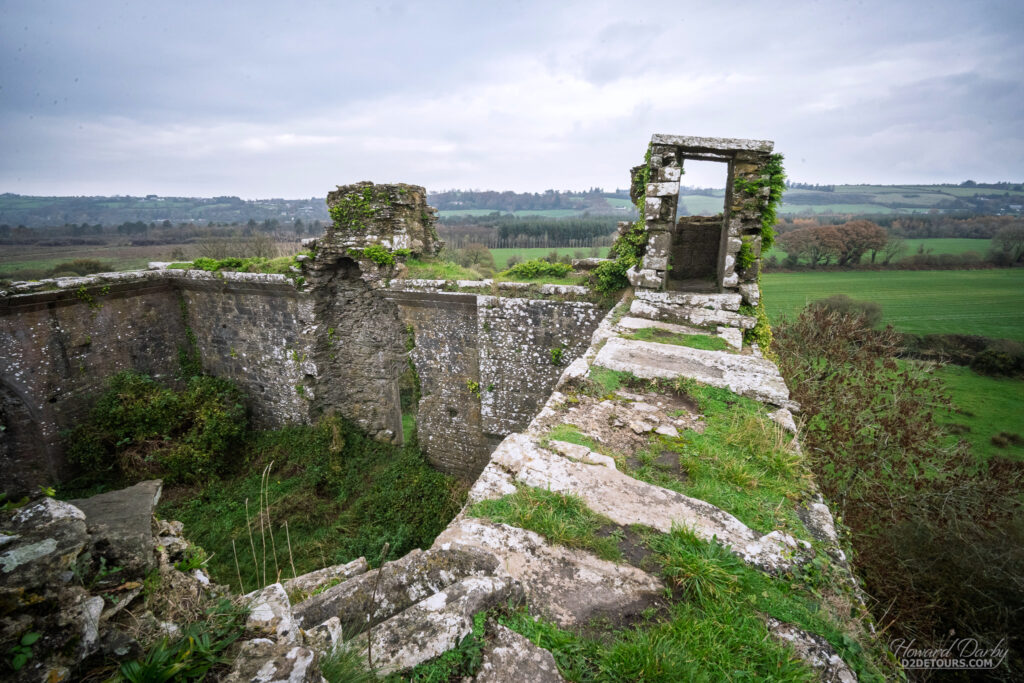
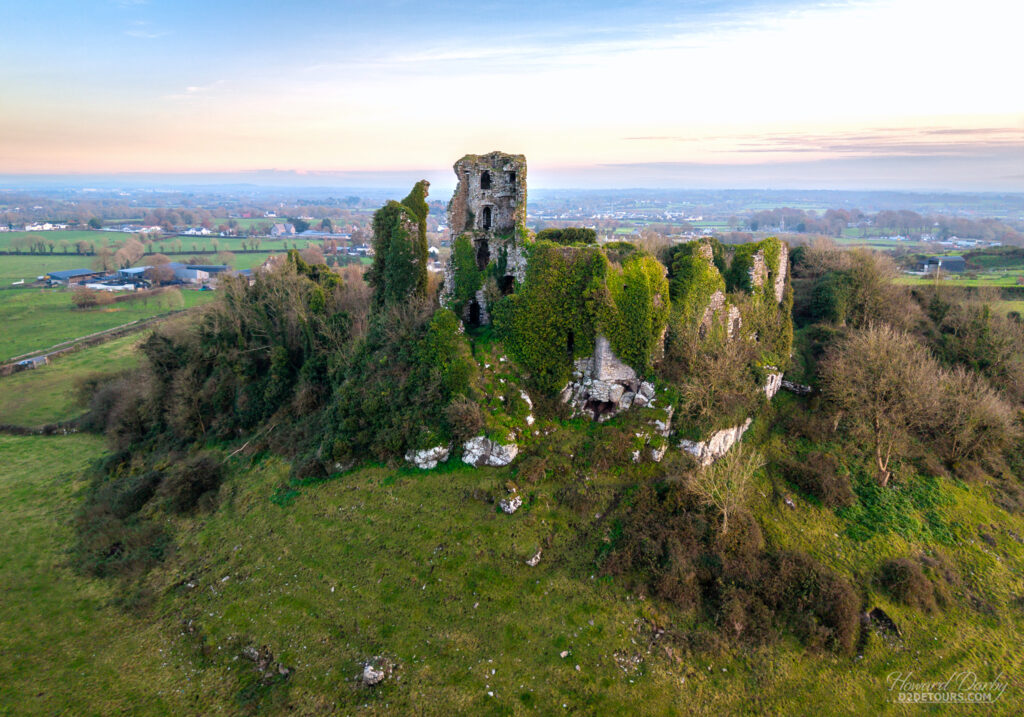
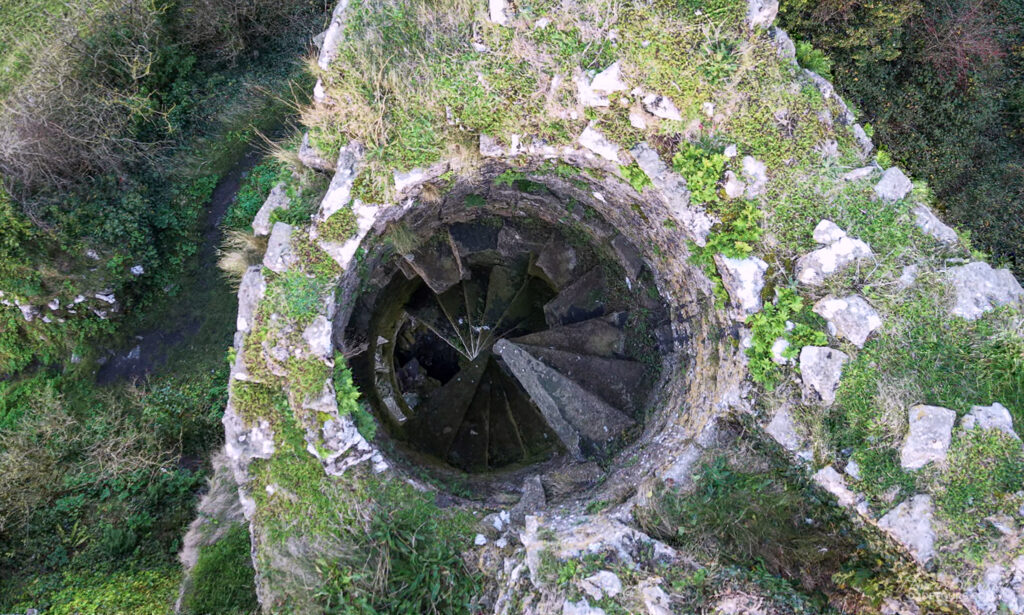
Leaving Dublin, we made our way south towards Glengarriff, making a quick stop at the 15th-century tower house, Kilcrea Castle in County Cork (there’s a tongue-twister for you). Tower houses (often used interchangeably with “castle” in Ireland) were typical fortified residences favoured by Gaelic and Anglo-Norman gentry. The vast majority of these ruins, over 2,000, sit on private farmland. While the owners of the land on which Kilcrea Castle sits allow intrepid explorers, the prominent signs they’ve posted make it clear you’re doing so at your own risk
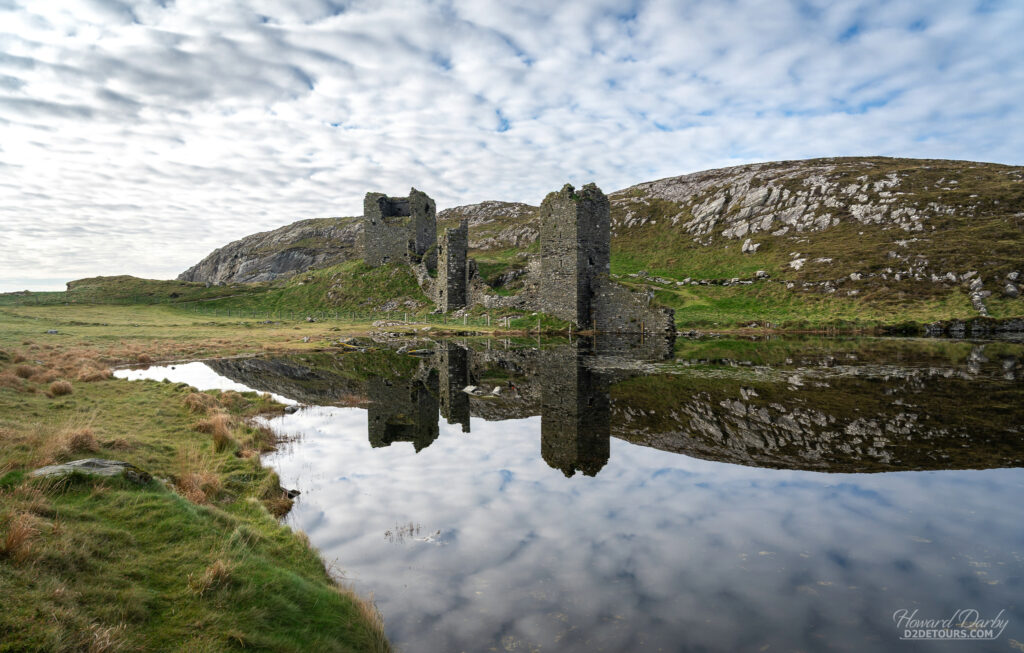
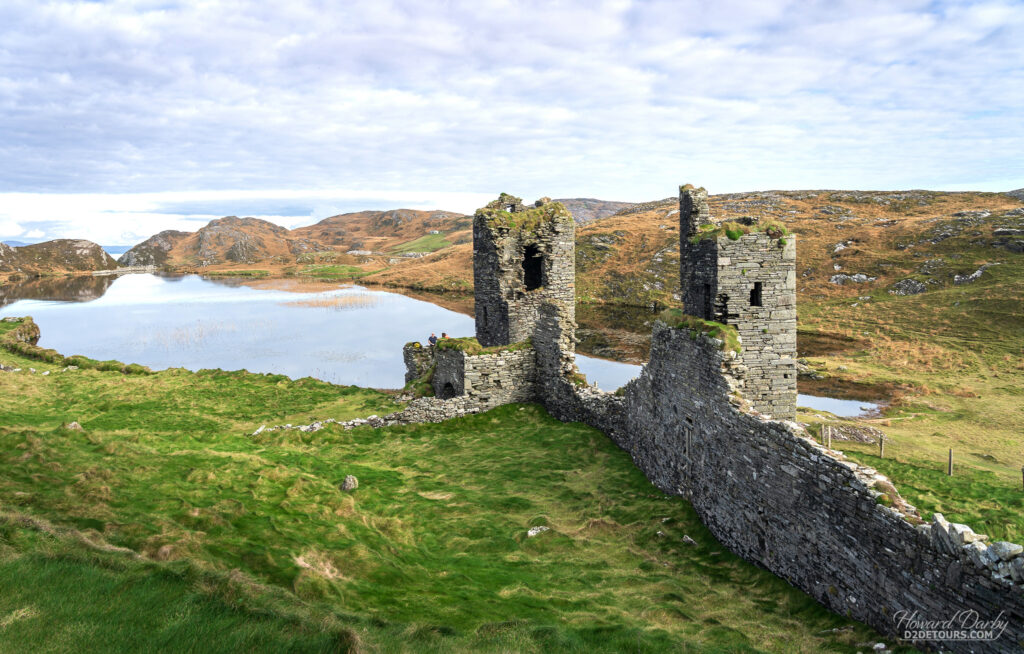
Glengarriff was our base for a day trip to the extreme southwest tip of Ireland, the Mizen Peninsula. Dunlough Castle was built in 1207 and is one of the oldest castles in Ireland. You find it after a 1.5 km (1 mile) trek across private moorland—there is a €3/pp “honesty” box at the trailhead—and it was worth the slog. Rising on the cliffs above the Atlantic, the three tower houses linked by defensive walls were impressive in their ruined state and would have been a formidable sight in the past. There’s no record of the castle being attacked, and the O’Mahony clan held the fortress for four centuries until the English Crown seized everything in 1627.
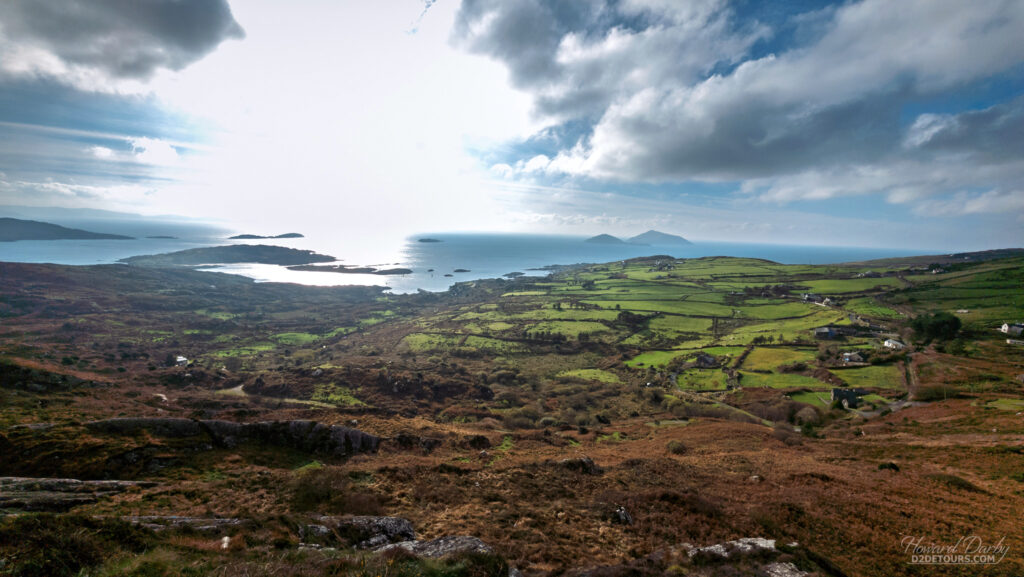
From Glengarriff, we began working our way north toward Bunratty, following the Ring of Kerry and the Skellig Ring loop. The characteristic emerald green landscape is beautifully contrasted with the gold, orange, and rust colours of fall, and provided a lovely backdrop to the miles we covered.
November in Ireland is a bit nippy; the upside being there are fewer tourists, with less traffic on the, at times, frightfully narrow roads—one of which (Priest Leap Road, a single-track, grass-in-the-middle, mountainside pass) Google felt was an ideal shortcut for us. This is apparently a frequent Google suggestion, and thankfully the locals have kindly posted a large sign before it gets really dicey, stating “Mountain Pass – Not the Main Route!” and we recalibrated our trajectory.
Alongside its abandoned tower houses, Ireland is dotted with dozens of deserted medieval friaries. Founded mostly between the 13th and 15th centuries, they provided much-needed public ministry as towns and communities grew. Henry VIII sought to end that service when he broke with the Catholic Church, which, among other things, enabled him to declare himself King of Ireland in 1541. The Dissolution of the Monasteries, which began in England five years earlier, spread to Ireland. With their lands, wealth, and buildings seized by the Crown, the friaries were forsaken—or at least that was the intended consequence. While the Dissolution completely wiped out monastic life in England, many Irish friars and friaries survived in secrecy, leaving us with several remarkably well-preserved ruins to wander through today.
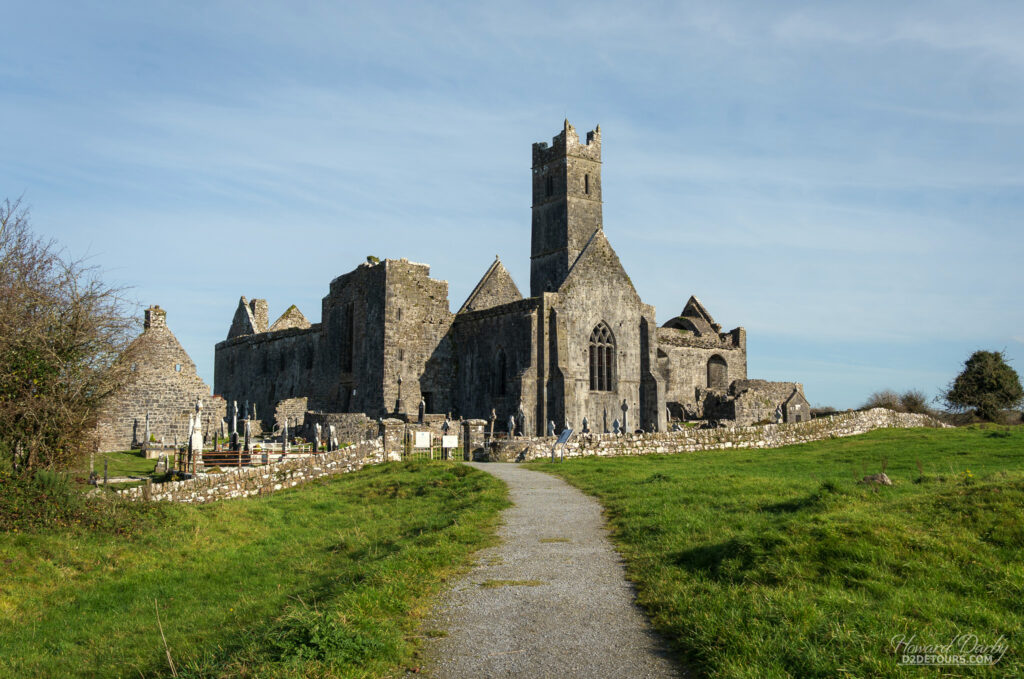
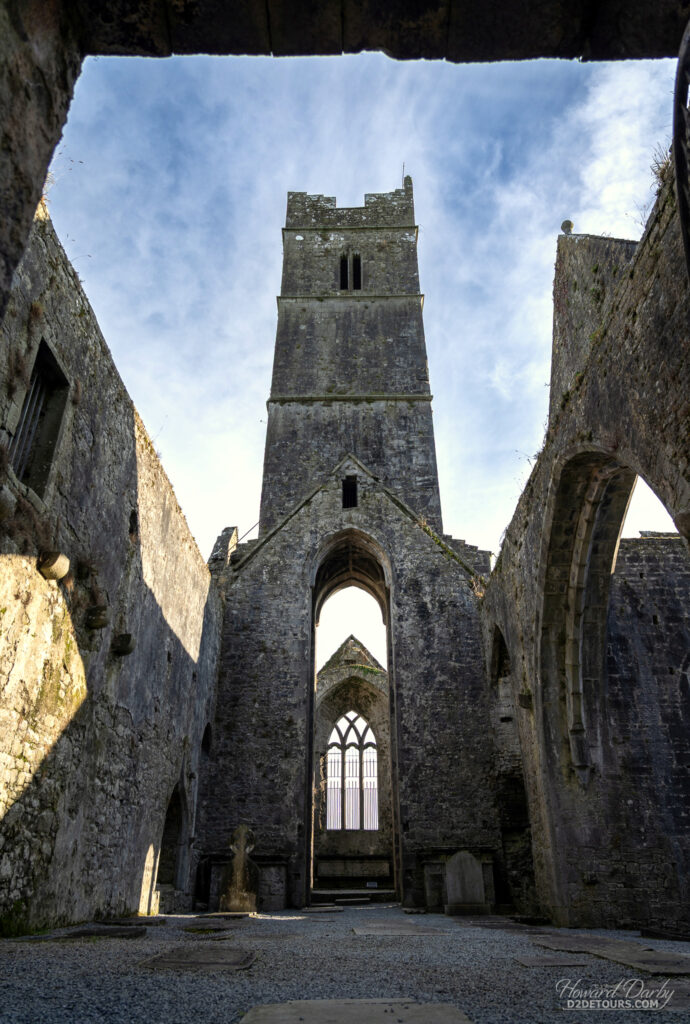
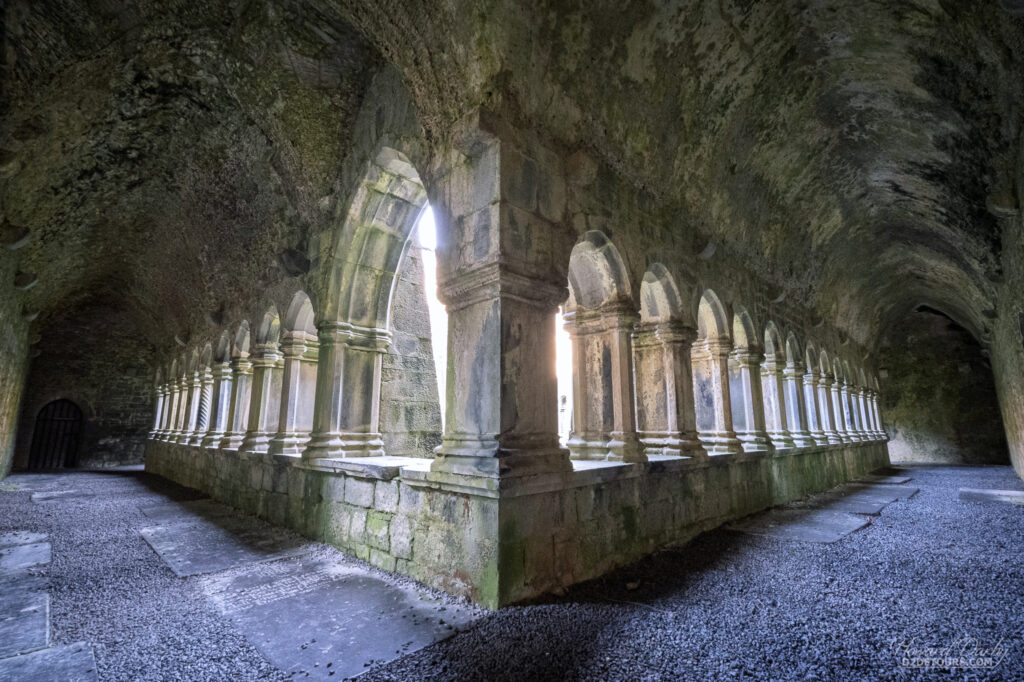
Quin Friary, near Bunratty, is one of those under-the-radar friaries. Built inside the remains of an old Anglo-Norman fortress (the four corner turrets are still visible), it defied both the official suppression in 1541 and a formal expulsion in 1760, not to mention the Puritan raids and anti-Catholic Penal Laws the friars faced in between. Despite those trials, they continued to quietly meet the community’s needs until the last resident friar died in 1820.
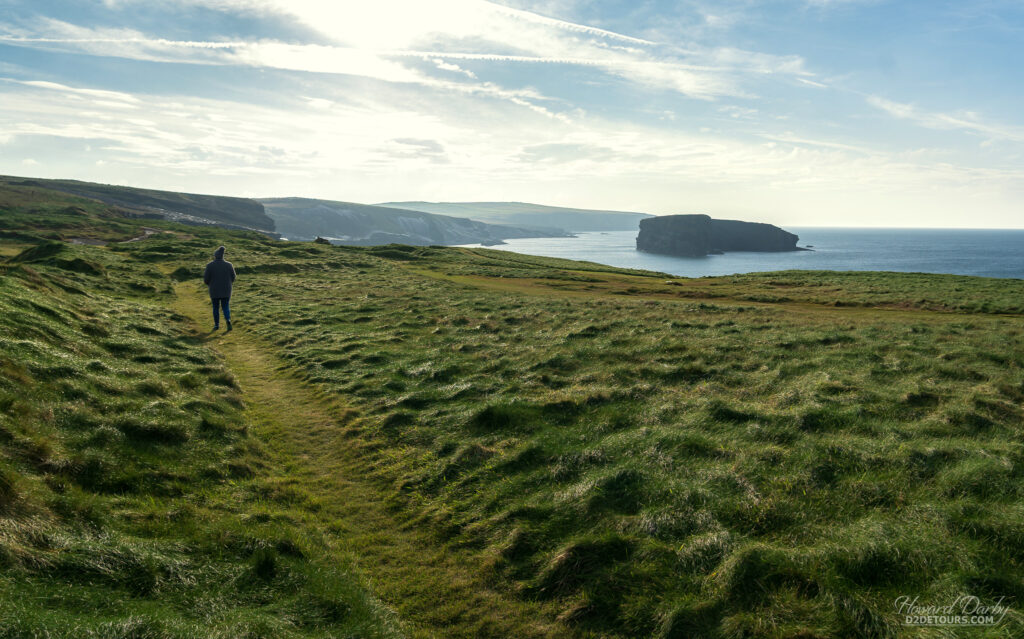
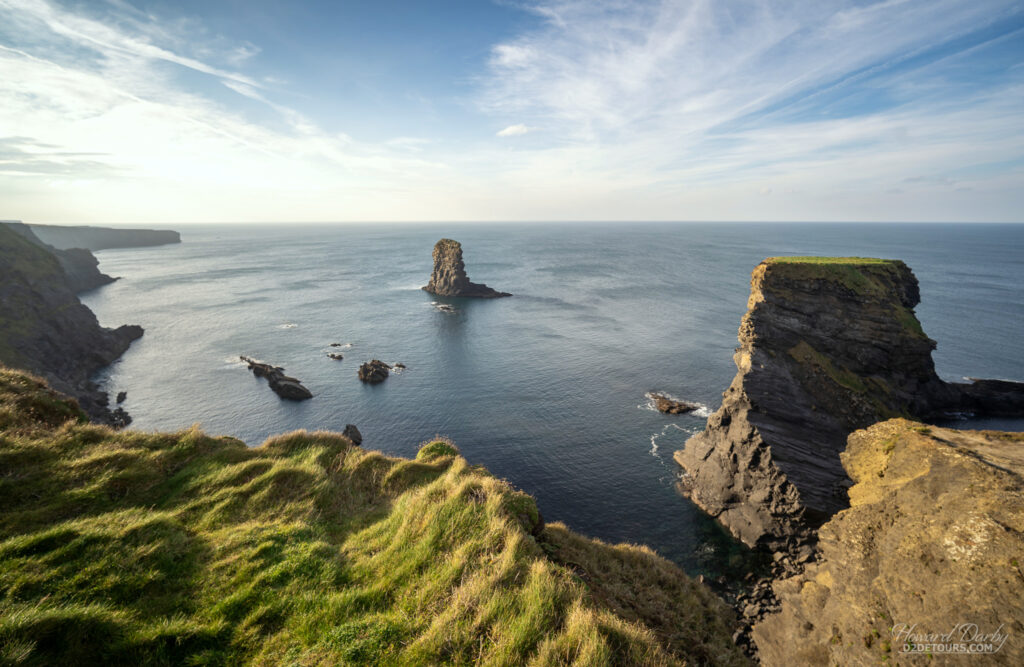
Continuing north from Bunratty, we kept to our usual modus operandi of finding free, off-the-beaten-path alternatives to crowded landmarks. Instead of the famous Cliffs of Moher, we detoured to the Kilkee Cliffs along County Clare’s Loop Head Peninsula. We had the place entirely to ourselves, and the vista did not disappoint.
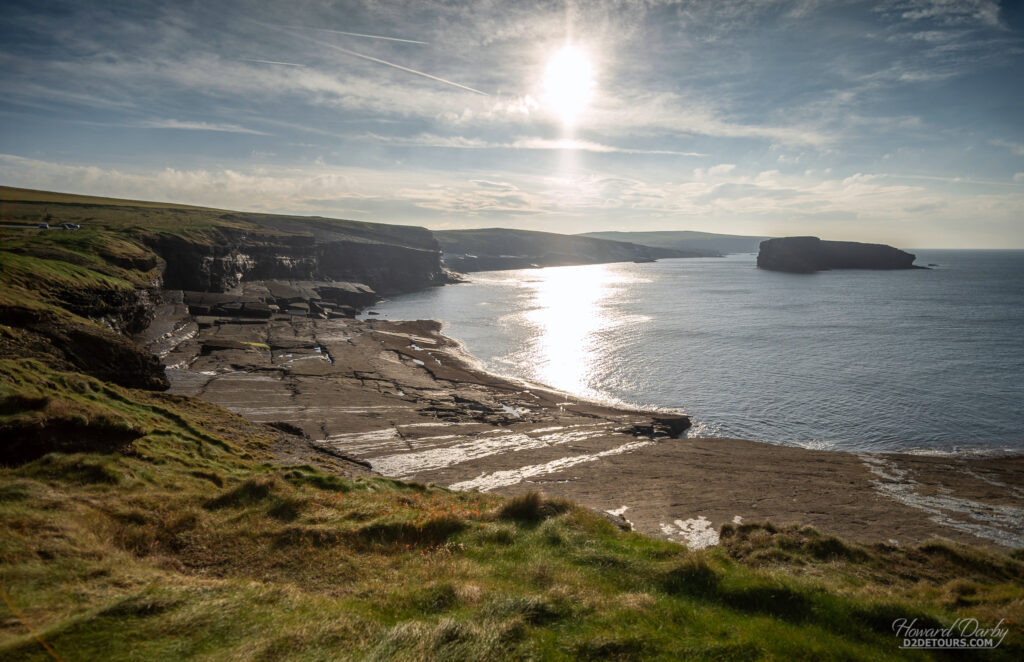
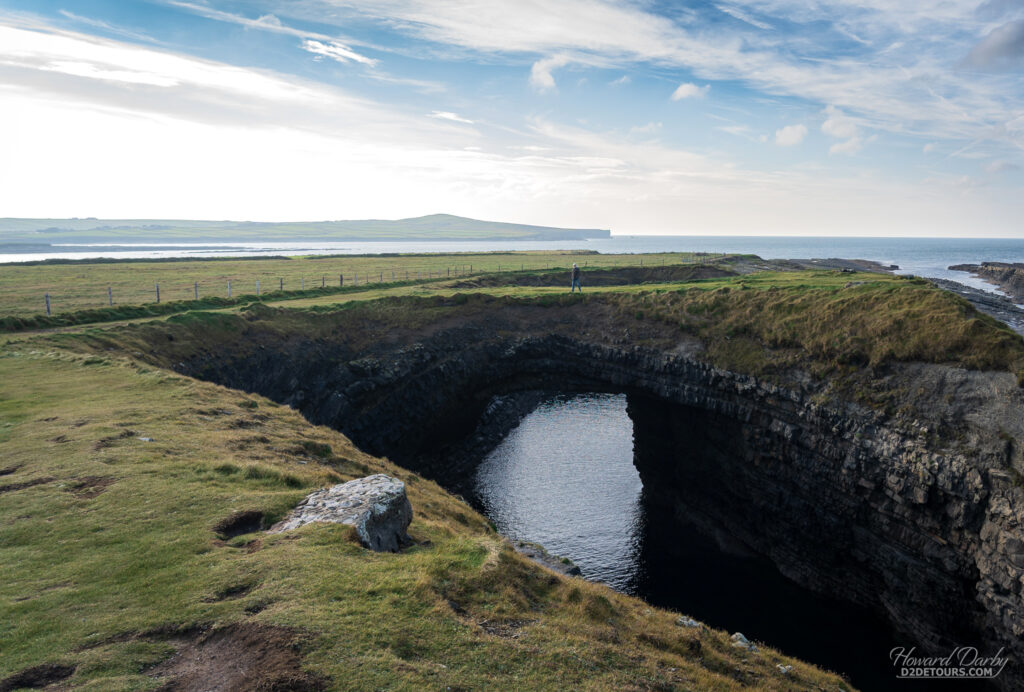
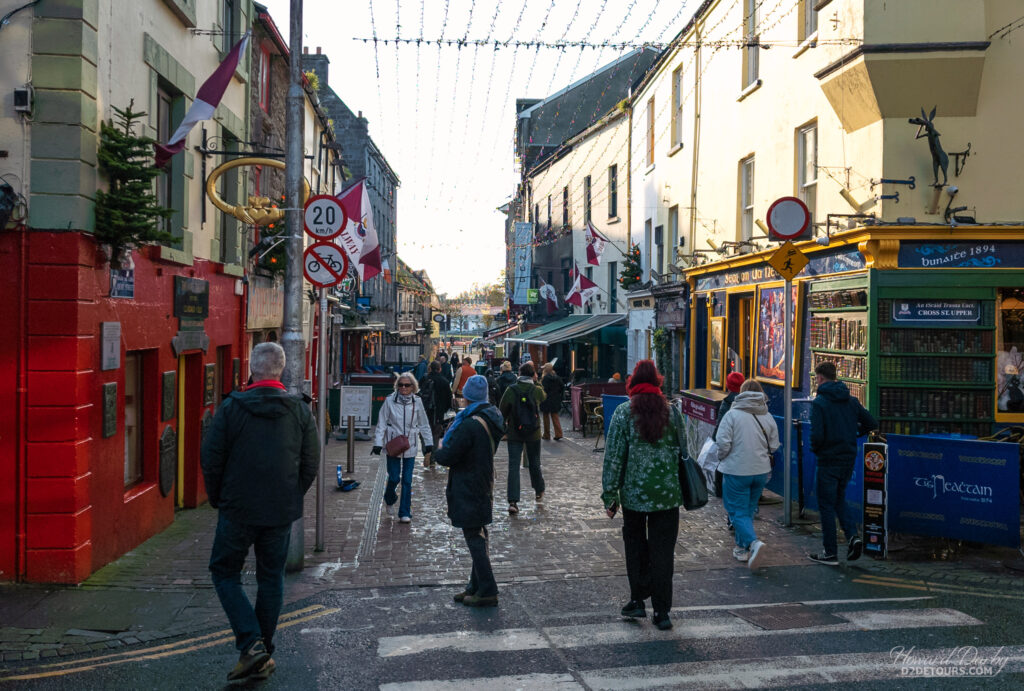
Right about this point in our trip, the weather took a turn, and our stay near Galway was rather wet. Fortunately, we were ready to catch our breath since landing in Dublin, and our Airbnb was exceedingly comfortable. We still wandered the streets of Galway a bit, enjoyed some delicious Indian takeaway, and did some souvenir shopping—something that didn’t fit our travel style in the last five years, but now that we have a home base, I get to decorate again.
From Galway, we had a long drive to Portacloy on County Mayo’s remote northern coast, so we made sure to find a couple of historical sites along the route where we could stop and stretch our legs.
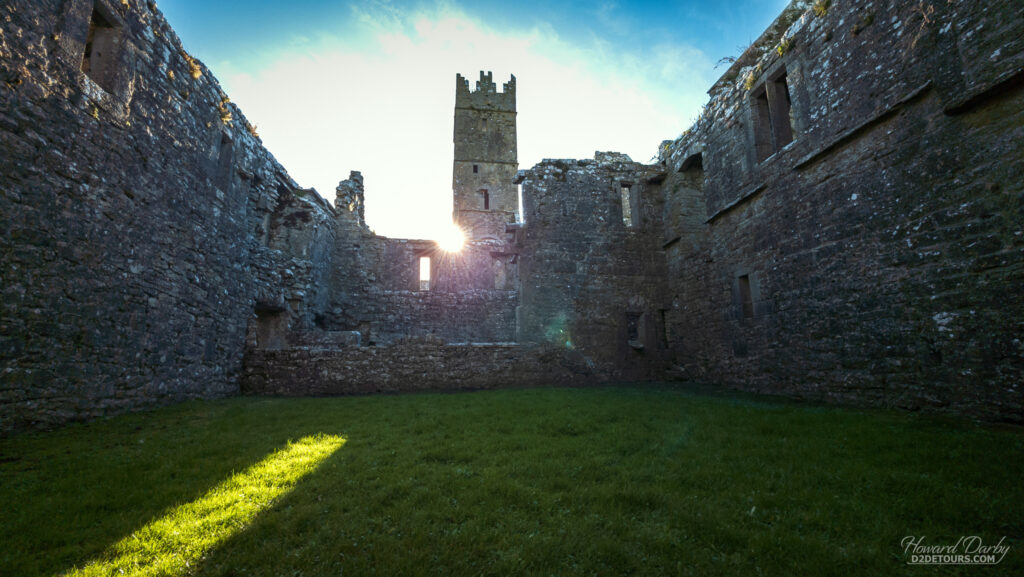
First up was Ross Errilly Friary, founded in the mid-14th century. Much like their counterparts at Quin Friary, Ross Errilly’s friars played a two-century-long game of hide-and-seek, slipping away into nearby bogs and islands whenever the authorities came knocking. They officially left the crumbling sanctuary in 1753, although a few friars still snuck back into the ruins to say Sunday Mass until the last member of the old community passed in 1832. Of particular interest at Ross Errilly is the glimpse into its domestic life—the wall-mounted fish tank in the kitchen and the oven in the bakehouse are still easily discernible, just now particularly picturesque.
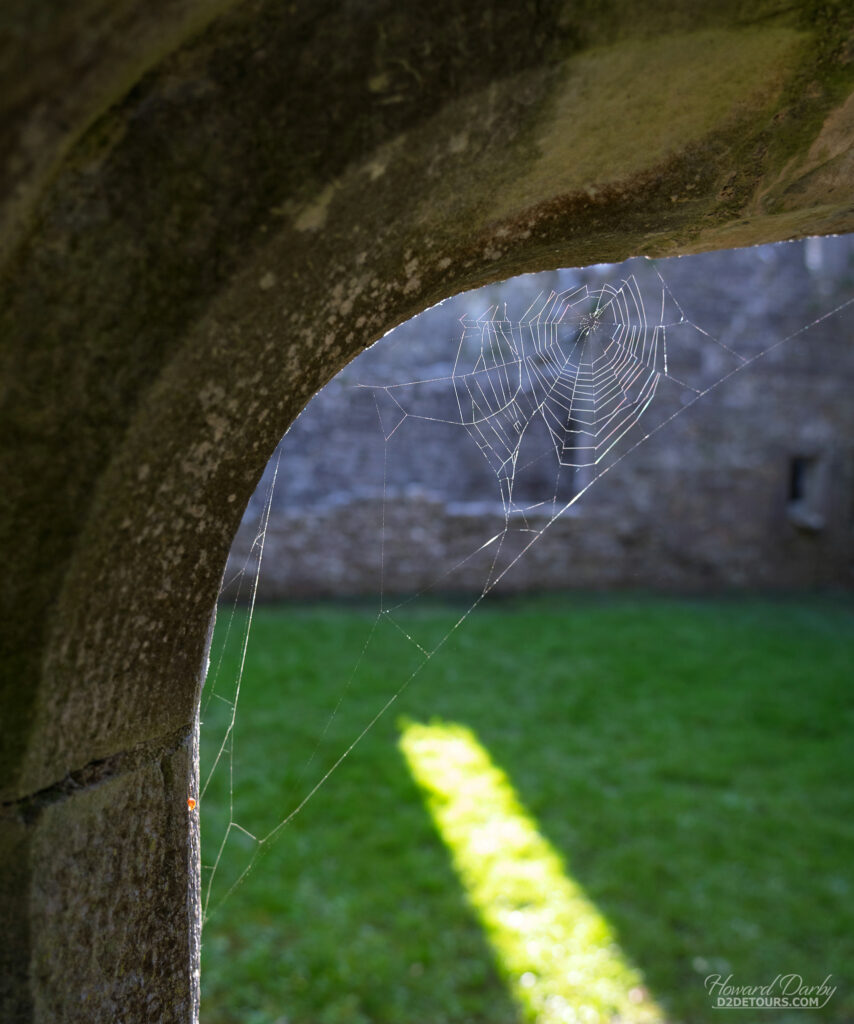
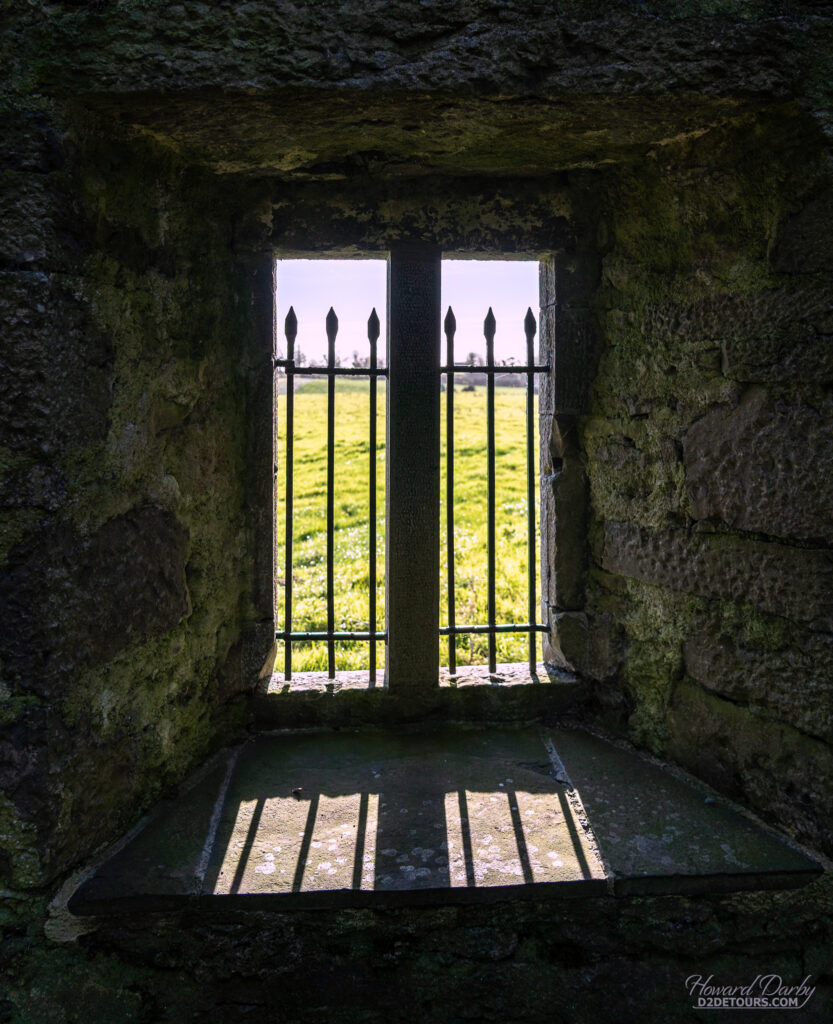
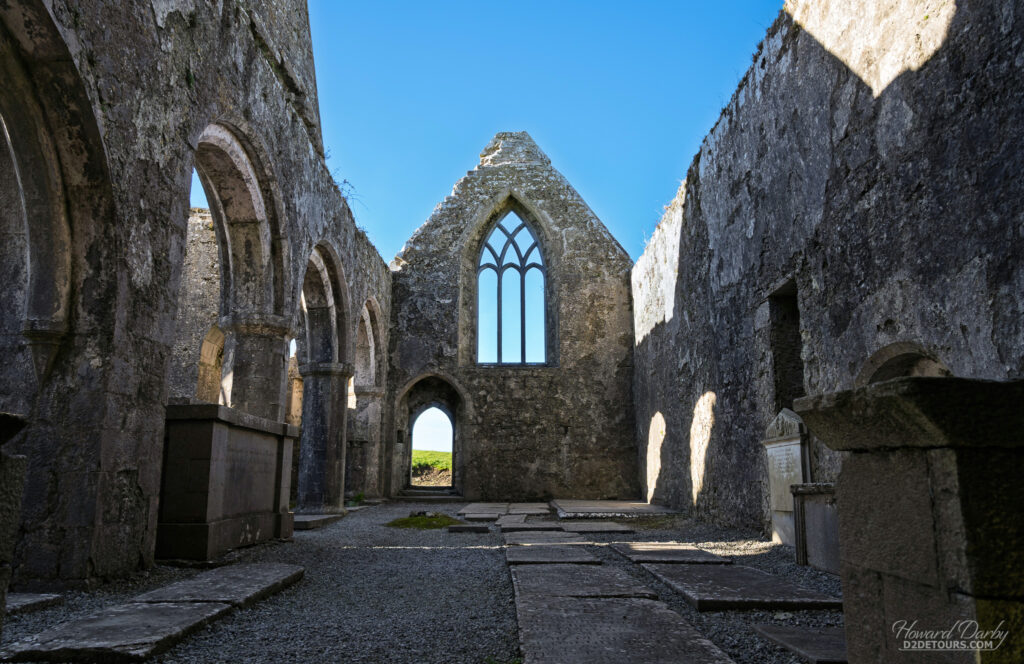
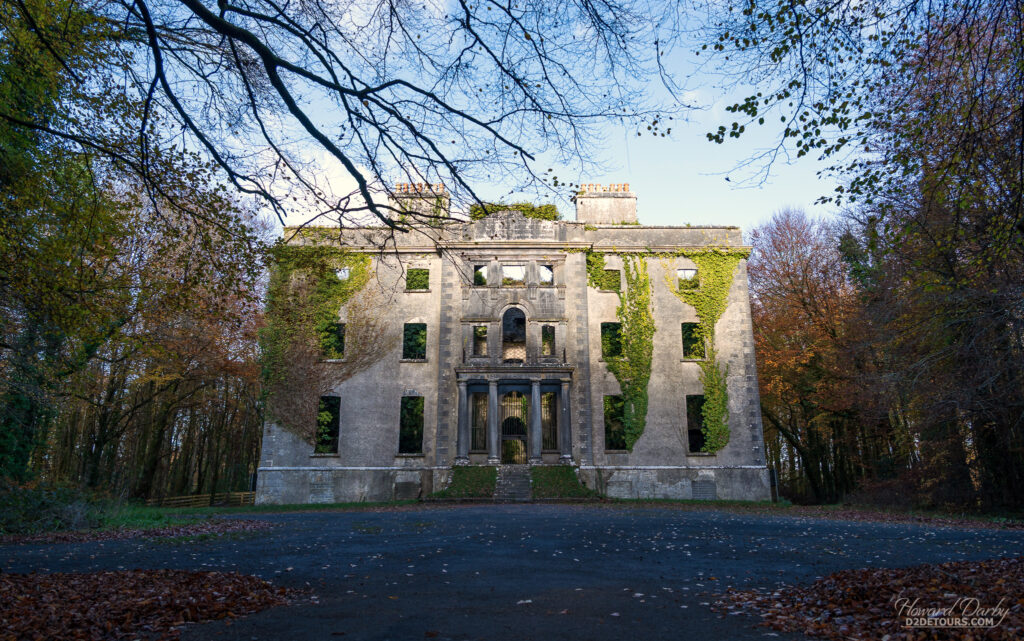
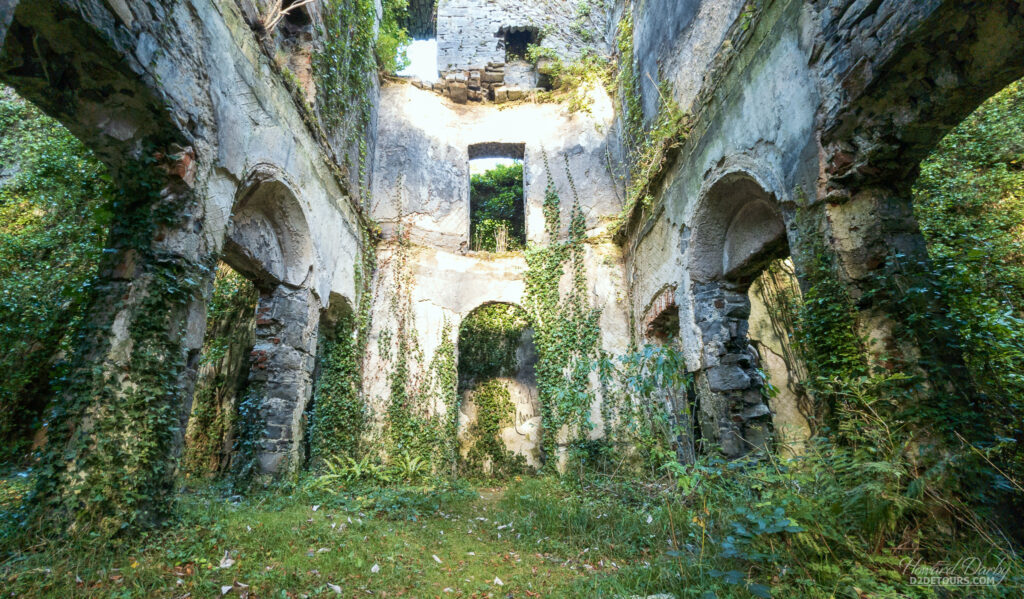
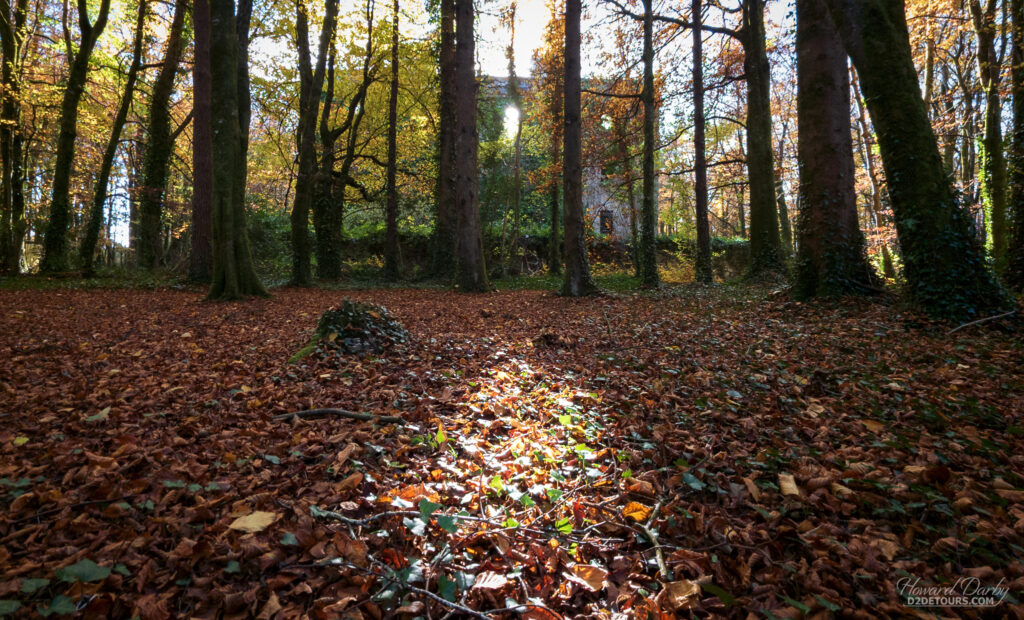
The last ruin on our Irish tour was Moore Hall, an 18th-century Georgian mansion perched on Muckloon Hill in County Mayo. It was the ancestral home of the Moore family, known for their contributions to Irish literature, politics, and nationalism. Those political ties ultimately led to its fiery demise in 1923 during the Irish Civil War.
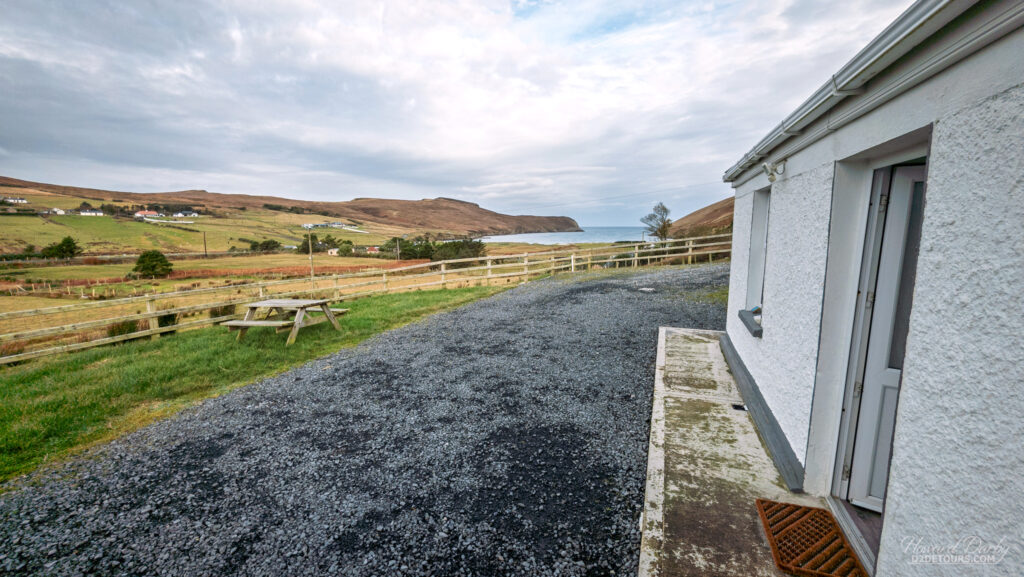
Our last stop on the Wild Atlantic Way was the tiny hamlet of Portacloy. More popular in the summer with its sheltered cove and golden sand, in November we temporarily swelled the resident population to a whopping thirty.
Swimming was certainly not on our agenda, but some light hiking to reach the dramatic cliff views was. The Portacloy Loop Walk took us out to the remains of an ÉIRE neutrality marker. Ireland chose neutrality during The Emergency, as WWII was referred to in the country. Eighty-three massive whitewashed stone ÉIRE signs were built along the island’s coastline to warn aircraft that they were flying over neutral territory and to prevent accidental bombings.
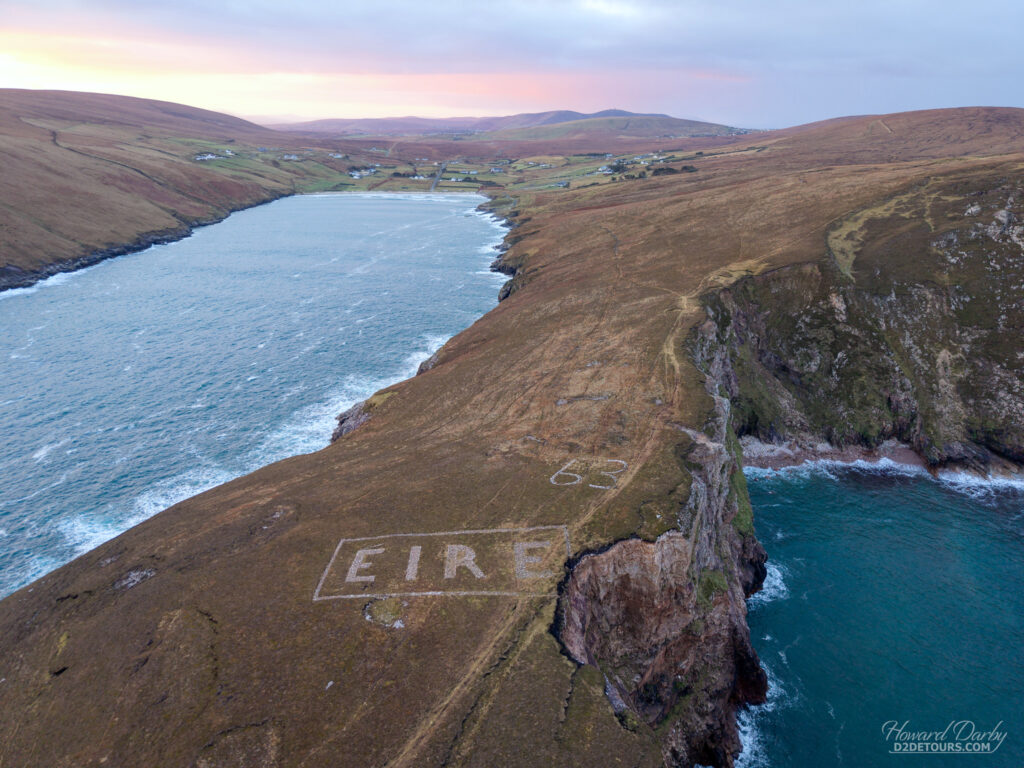
Coastal lookout posts, manned 24/7 by rotating two-man teams, were built nearby. Despite their “neutrality,” each sign also included number codes to discreetly aid Allied pilots with their navigation. It wasn’t so obvious to us as we walked across the whitewashed stones, but the drone footage Howard captured really shows how much the cliffside had eroded!
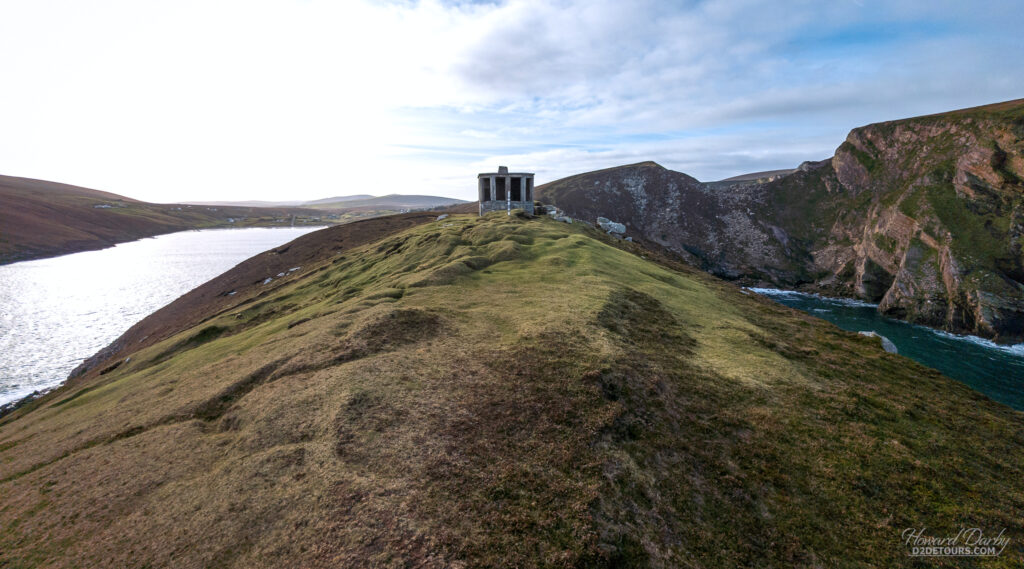
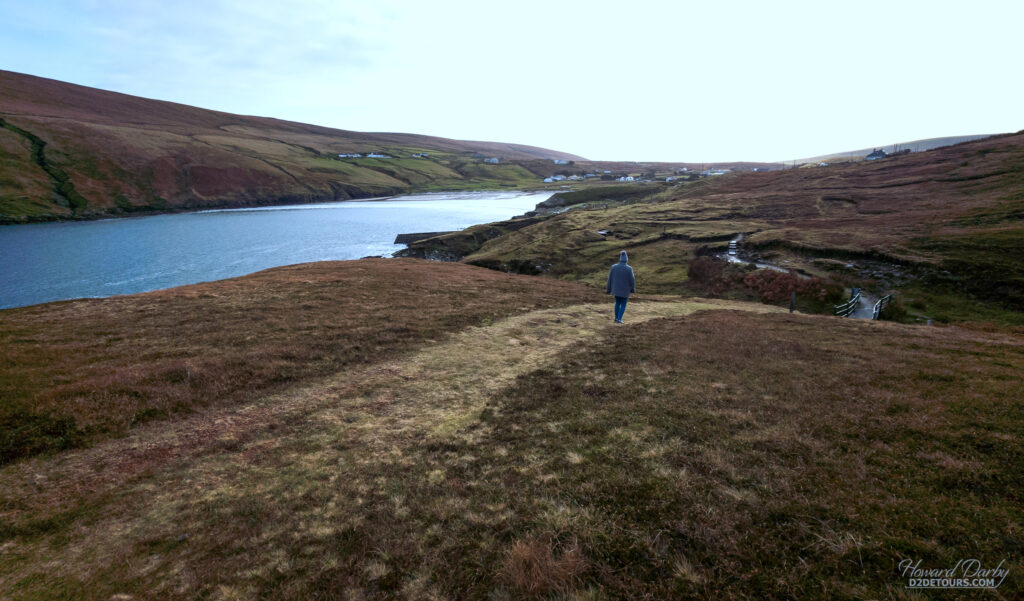
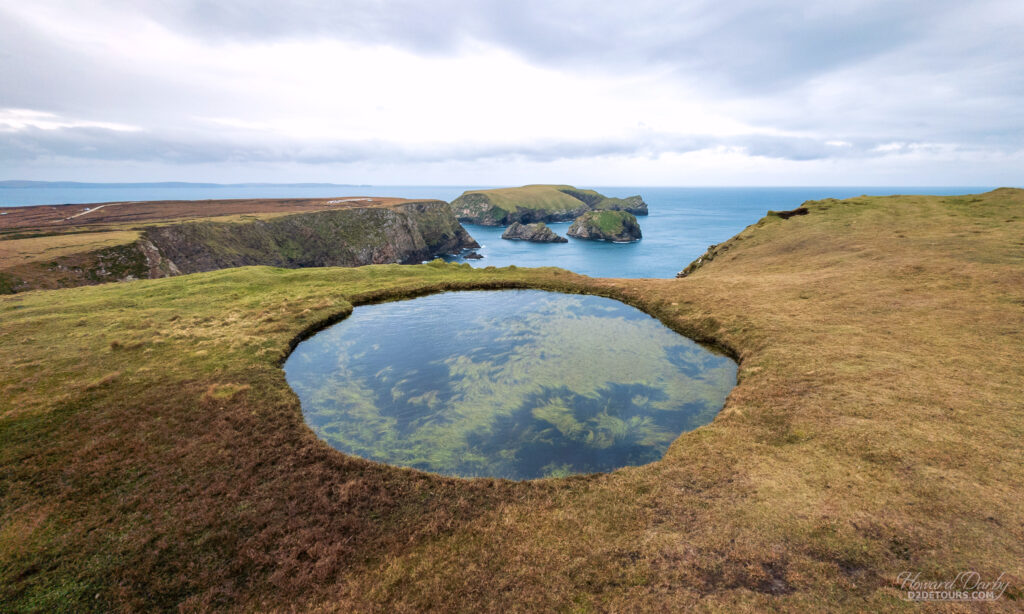
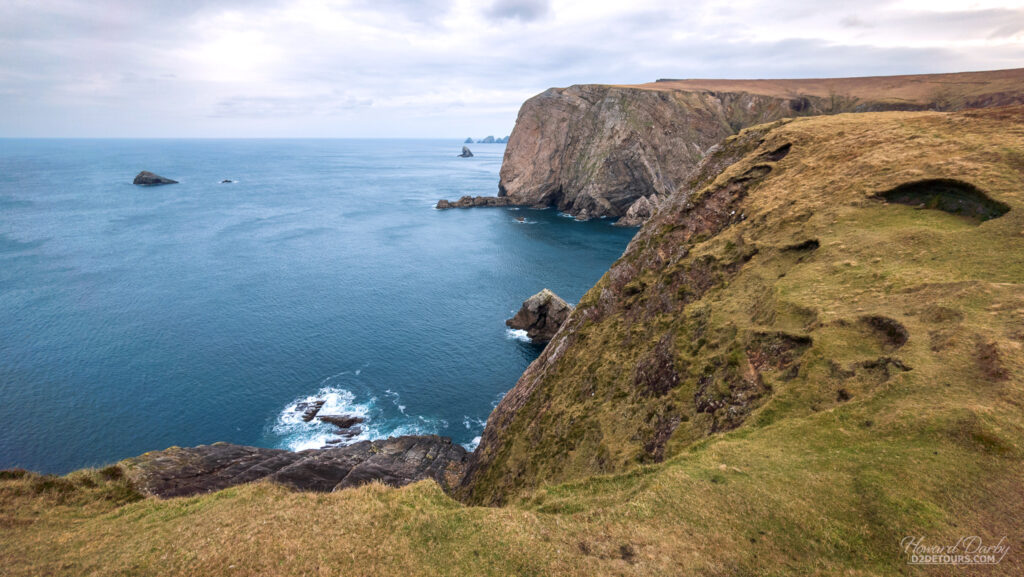
While we could still see the vestiges of civilization from where we were on the Portacloy Loop Walk, we felt like the last two people on earth as we trekked along the cliff edge of the stunning Carrowteige Loop Walk, hoping the wind didn’t change direction and blow us off!
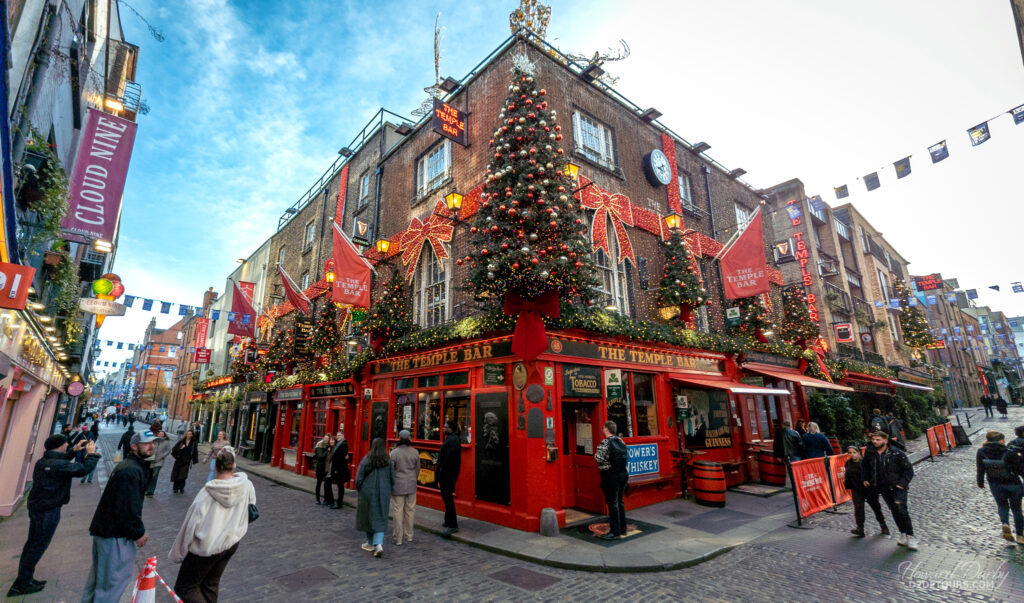
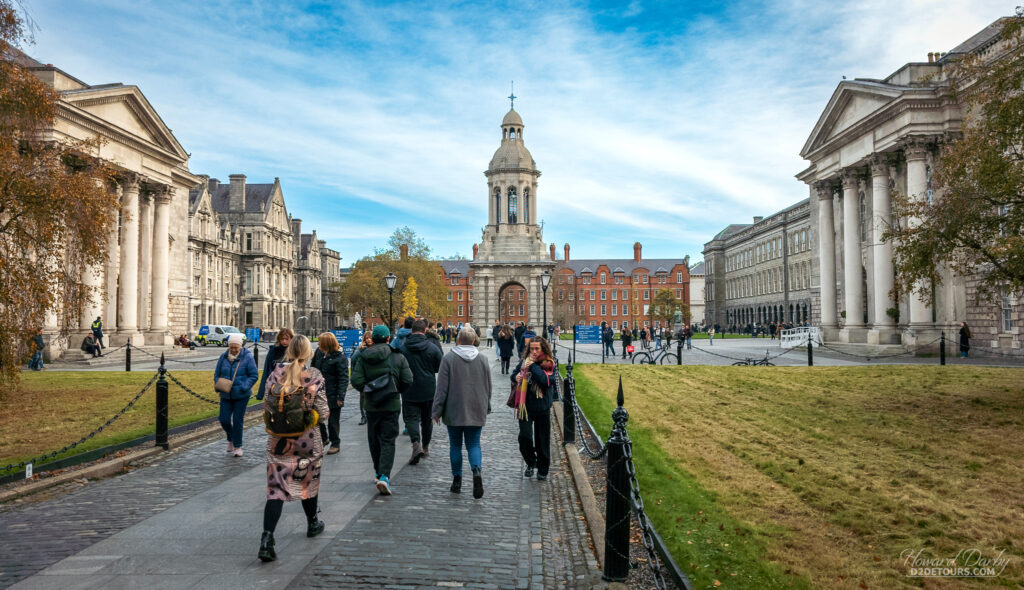
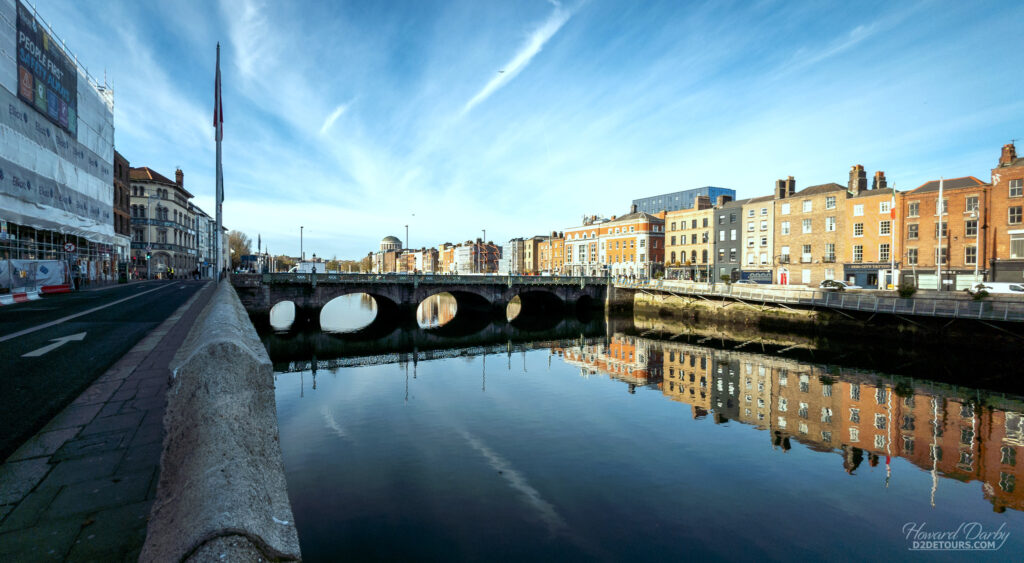
From Portacloy, we headed straight back to Dublin Airport to drop off the rental car before spending a couple of nights in the heart of the city. In addition to wandering the streets and enjoying one final pub meal with a pint, we picked up all sorts of fascinating tidbits at the National Museum of Ireland – Archaeology. In particular, I hadn’t realized how big a role the Vikings played in Ireland’s history—these Scandinavian raiders and traders actually established the island’s first major coastal towns, specifically Dublin, Waterford, Wexford, Cork, and Limerick!
Slán go fóill!
Follow along on our Calm Canals Instagram, Facebook or YouTube pages.

